How to reconstitute peptides is an essential topic for anyone working with peptide compounds, as proper reconstitution helps maintain stability, accuracy, and effectiveness. Understanding the correct steps—from choosing the right diluent to gentle mixing techniques—can reduce the risk of degradation and contamination while ensuring consistent results for research or laboratory use.
What Does it Mean to Reconstitute Peptides?
Reconstituting peptides refers to the process of dissolving freeze-dried (lyophilized) peptide powder into a sterile liquid solvent, such as bacteriostatic water or saline, to form a stable and usable solution for research or therapeutic purposes. This step restores the peptide’s biological activity, making it ready for application or injection. Proper reconstitution requires careful handling, selection of the appropriate solvent, and gentle mixing—typically swirling instead of shaking—to avoid damaging the delicate peptide structure and to ensure precise concentration for accurate dosing or experimental use.
What You’ll Need When Reconstituting Peptides
Before you start, make sure you have all the necessary materials prepared to ensure a clean and effective process:
- Lyophilized Peptide Vial – Contains your peptide in powdered form.
- Bacteriostatic Water (BAC Water) – A sterile solvent with benzyl alcohol that helps prevent bacterial contamination and allows multiple uses.
- Sterile Syringes and Needles – Used to accurately draw and inject the water into the peptide vial.
- Alcohol Prep Pads – Essential for disinfecting vial tops and maintaining a sterile working area.
- Timer or Stopwatch – Helps you monitor the dissolution process, which usually takes about 4 minutes.
How to Properly Reconstitute Peptides Step By Step Instructions
Follow these steps carefully to ensure proper reconstitution and maintain the integrity of your peptide:
- Prepare Your Vials: Wipe the rubber stoppers of both the peptide and bacteriostatic water vials with an alcohol pad to sterilize and prevent contamination.
- Draw the Water: Using a sterile syringe, draw the required amount of bacteriostatic water as indicated for your specific peptide.
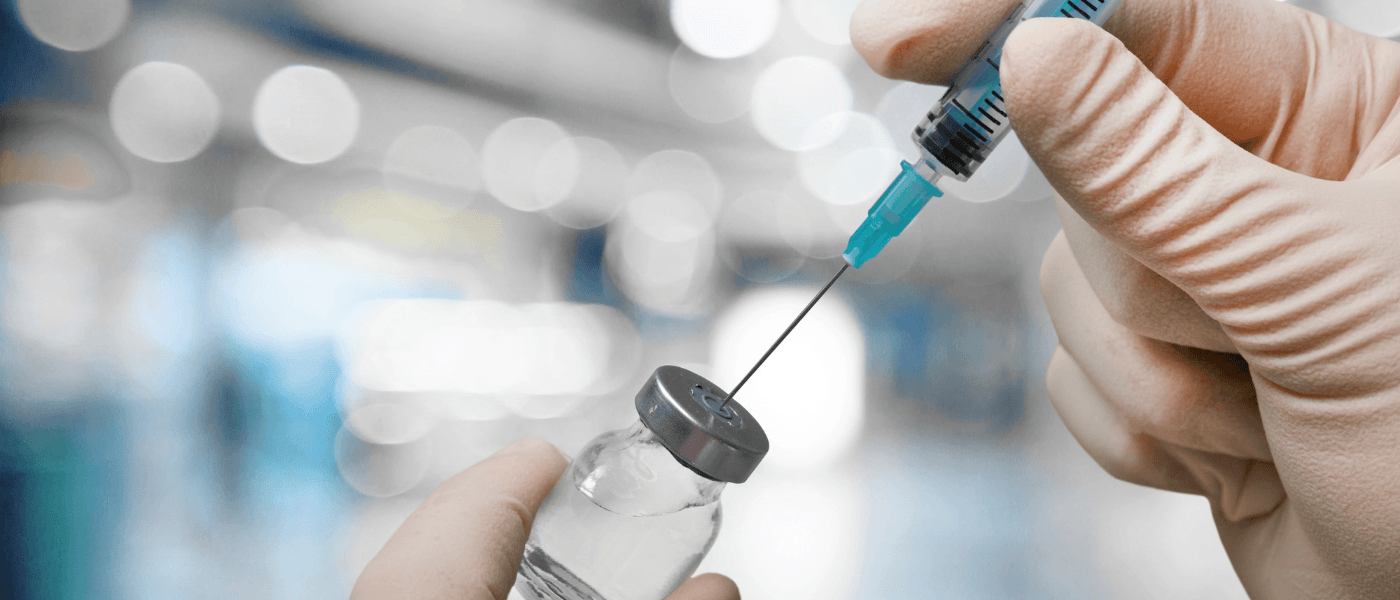
- Inject Slowly: Insert the needle into the peptide vial and aim toward the inner wall (not directly on the powder). Slowly release the water so it slides gently down the side of the vial.
- Dissolve the Powder: Avoid shaking the vial. Instead, gently swirl or roll it between your fingers until the powder has fully dissolved and the solution looks clear.
- Store Properly: Once mixed, store the reconstituted peptide in a refrigerator at 2–8°C. Use it within the peptide’s recommended shelf life, typically between 28 and 90 days, depending on the product.
How to Reconstitute Peptides With Bac Water
Reconstituting peptides correctly ensures their quality and effectiveness. The process is simple but requires careful handling to maintain sterility and protect the peptide’s structure.
Step-by-Step Guide
- Prepare and Sanitize: Let your peptide vial sit at room temperature. Wash your hands thoroughly and clean your workspace. Use an alcohol prep pad to wipe the rubber stoppers on both the peptide and BAC water vials.
- Draw the Water: Using a sterile syringe, pierce the stopper of the BAC water vial. Draw the exact volume of water recommended for your specific peptide.
- Inject Into the Peptide Vial: Insert the syringe needle into the peptide vial’s stopper. Slowly release the water along the inner wall to minimize bubbling or foaming. The vacuum inside the vial may naturally pull the water in—this is normal.
- Dissolve the Peptide: Do not shake the vial. Shaking can damage the peptide’s delicate structure. Instead, gently roll or swirl the vial until the solution becomes completely clear.
- Label and Store: Clearly label the vial with the date you mixed it. Store it in the refrigerator (2–8°C) as directed by your peptide’s instructions.
How to Reconstitute Peptides Bacteriostatic Water
Reconstituting peptides with bacteriostatic (BAC) water is a simple process but requires precision and cleanliness to preserve the peptide’s stability and effectiveness.
Step-by-Step Reconstitution
- Gather Supplies: Collect what you’ll need: your peptide vial, bacteriostatic water, a sterile syringe (around 3 mL works well), and alcohol prep pads.
- Prepare and Clean: Wash your hands thoroughly and clear your workspace. Remove any protective caps from both vials. Wipe the rubber stoppers on the peptide and BAC water vials with an alcohol pad to ensure they’re sterile.
- Draw the Solvent: Insert the syringe needle into the BAC water vial and draw the amount recommended for your peptide—this varies depending on the product or your provider’s instructions.
- Inject Into the Peptide Vial: Carefully insert the syringe into the peptide vial and slowly inject the water, aiming it along the inner wall to prevent bubbling and over-agitation. Note that a slight vacuum may pull the water in automatically.
- Dissolve the Peptide: Gently roll or swirl the vial between your hands until the powder is fully dissolved and the solution appears clear. Do not shake, as vigorous motion can damage the peptide molecules.
- Label and Store: Write the date you mixed the peptide directly on the vial. Store it in the refrigerator between 2–8 °C (36–46 °F) unless otherwise instructed.
How Much Water to Reconstitute Peptides
The exact amount of water you’ll need to reconstitute a peptide depends on two key factors: the desired concentration and the amount of peptide in the vial. There’s no universal number—it varies based on your peptide and dosing preferences.
- Follow Official Instructions: Always start with the guidelines provided by your peptide supplier or healthcare professional. Peptides differ in both stability and solubility, so their recommended mixing volumes can vary.
- Typical Mixing Volume: For most peptides sold in 2 mg or 5 mg vials, a reconstitution volume between 0.5 mL and 2 mL of bacteriostatic water is common. This creates a concentrated yet easy-to-measure solution.
- Why Bacteriostatic Water? Bacteriostatic water contains 0.9% benzyl alcohol, which helps prevent bacterial growth and allows the solution to remain stable for multiple uses over time.
- Simple Calculation Formula: To find out how much solvent to use, divide the total amount of peptide (in micrograms) by the desired concentration (in micrograms per milliliter)—the result gives you the required volume of water in milliliters.
How Much Bac Water to Reconstitute Peptides
The amount of bacteriostatic (BAC) water needed to reconstitute peptides depends on the desired concentration and the quantity of lyophilized powder in the vial. While there is no fixed standard, researchers typically use between 1 mL and 3 mL of BAC water for common vial sizes containing 5 mg or 10 mg of peptide, adjusting the volume to achieve the preferred dosage strength and ease of measurement.
How Much Bac Water to Reconstitute 5Mg Peptides
The amount of bacteriostatic (BAC) water used to reconstitute a 5 mg peptide vial depends on the desired concentration and dosing accuracy. Although there is no universally correct volume, most recommendations suggest adding between 1 mL and 5 mL of BAC water, allowing flexibility to achieve the preferred strength and precision for measurement or application.
How to Reconstitute Lyophilized Peptides
Reconstituting lyophilized peptides requires patience and care to maintain purity and stability. Begin by allowing both the peptide vial and solvent to reach room temperature. Then, slowly add the chosen sterile solvent—such as bacteriostatic (BAC) water or phosphate-buffered saline (PBS)—down the inner wall of the vial, avoiding direct contact with the powder. Gently swirl or roll the vial (never shake) and let it rest until the peptide is completely dissolved. Full dissolution ensures accurate concentration and helps prevent degradation.
Step-by-Step Reconstitution Guide
- Preparation: Allow the peptide vial and the solvent or buffer (BAC water, PBS, or sterile water) to warm to room temperature. Wipe the rubber stopper of each vial with an alcohol pad to sanitize. If needed, briefly centrifuge the vial so that all powder settles at the bottom.
- Adding the Solvent: Draw the required volume of solvent into a sterile syringe. Insert the needle into the vial stopper and slowly release the solvent down the inner wall, not directly onto the powder. To equalize pressure, inject a small amount of air equal to the solvent volume before adding the liquid—this can make dispensing smoother.
- Mixing the Solution: Avoid shaking or vortexing the vial; this can produce foam and damage the peptide structure. Gently rotate or swirl the vial between your palms. Let the vial rest for 15–30 minutes at room temperature. If undissolved particles remain, allow more time—up to a few hours at room temperature or overnight in a refrigerated rocker at 4 °C.
- Finalizing the Solution: Once the peptide is fully dissolved and clear, briefly centrifuge the vial again to collect the liquid. If you plan long-term storage, divide (aliquot) the solution into smaller portions and freeze at either −20 °C or −80 °C. Avoid repeated freeze-thaw cycles, as they can degrade the peptide.
How to Reconstitute Retatrutide Peptides
Reconstituting retatrutide peptides requires sterile technique, precision, and patience. The process involves adding bacteriostatic water to the lyophilized (powder) peptide and gently mixing until it is fully dissolved. Always use clean tools and avoid shaking the vial to preserve the peptide’s stability.
Materials Needed
- Vial of lyophilized (powdered) retatrutide peptide
- Sterile bacteriostatic water for injection (recommended solvent)
- Sterile syringe(s) and needle(s)
- Alcohol prep pads or swabs
- Protective gloves and safety eyewear
- Approved sharps container for disposal
Step-by-Step Instructions
- Prepare Your Workspace: Wash your hands thoroughly, then put on sterile gloves and protective eyewear. Clean and sanitize your workspace to maintain aseptic conditions. Allow both the peptide vial and bacteriostatic water to reach room temperature, as mixing cold solutions can reduce solubility. Remove the protective caps from both vials and disinfect their rubber stoppers using an alcohol swab.
- Withdraw the Solvent: Using a sterile syringe, draw the required amount of bacteriostatic water as specified for your desired concentration. For standard research use, 1.8 mL is commonly used per typical vial, though this can vary based on concentration preferences.
- Add the Solvent to the Peptide: Insert the syringe into the peptide vial and slowly inject the bacteriostatic water. Aim the water down the inner wall of the vial, not directly onto the powder, to prevent foaming or powder clumping.
- Dissolve the Peptide: Do not shake the vial—this can damage the peptide structure. Instead, gently roll or swirl the vial between your hands for 15–30 minutes, letting the powder dissolve completely. The final solution should appear clear and particle-free. Do not use if the liquid looks cloudy or contains debris.
- Storage Guidelines: Store the reconstituted solution in a refrigerator at 2–8 °C (36–46 °F) and protect it from light. The solution typically remains stable for 3–6 weeks under proper refrigeration. For extended storage, aliquot the solution into smaller vials and freeze them at −20 °C, avoiding repeated freeze–thaw cycles.
How to Reconstitute Tirzepatide Peptides
Reconstituting tirzepatide involves carefully dissolving the freeze-dried peptide powder with a sterile solvent, usually bacteriostatic water, while maintaining strict aseptic technique. This ensures proper concentration, stability, and safety of the solution.
Important Precautions
- Consult a Healthcare Professional: Always verify your exact dosage and dilution volume with your doctor or pharmacist before reconstituting. Tirzepatide dosing varies by prescription and formulation.
- Maintain Sterility: Wash your hands thoroughly, and use sterile syringes, needles, and alcohol swabs for every step.
- Avoid Shaking: Gently swirl or roll the vial instead of shaking it to preserve the structure of the peptide.
- Proper Storage: Keep the reconstituted solution refrigerated at 2°C–8°C (36°F–46°F). Use it within the recommended stability window—typically 14 to 30 days.
- Safe Disposal: Discard all used syringes and needles in a designated sharps container.
Materials You’ll Need
- Vial of lyophilized (powdered) tirzepatide peptide
- Bacteriostatic water (sterile solvent for reconstitution)
- Large sterile syringe (e.g., 3 mL) with needle for drawing the water
- Small syringe (e.g., 1 mL insulin syringe) for dosing
- Alcohol swabs
- Approved sharps disposal container
Step-by-Step Instructions
- Prepare Your Workspace: Wash your hands thoroughly and set up all materials on a clean surface. Keep your tools organized and within easy reach to avoid contamination.
- Disinfect the Vials: Wipe the rubber stoppers on both the bacteriostatic water vial and the tirzepatide vial with separate alcohol swabs. Allow the surfaces to air dry before proceeding.
- Draw the Diluent: Using the large syringe, pull back the plunger to draw in an amount of air equal to the volume of bacteriostatic water you’ll be using. Insert the needle into the BAC water vial and inject this air to balance the pressure. Invert the vial and withdraw the exact prescribed volume of water (for example, 1 mL or 2 mL).
- Add Water to the Peptide: Insert the needle into the peptide vial and slowly inject the water, directing it down the inner wall of the glass rather than straight onto the powder. This helps prevent foaming or peptide degradation. Once done, remove the syringe and dispose of it properly in the sharps container.
- Dissolve the Peptide: Gently roll or swirl the peptide vial between your hands until all powder has dissolved. The solution should appear clear and free of particles—do not use it if cloudy or discolored.
- Label and Store
- Label the vial with:
- Date and time of reconstitution
- Diluent volume used
- Final concentration (e.g., “10 mg in 1 mL = 10 mg/mL”)
- Store the reconstituted tirzepatide in the refrigerator (2°C–8°C), protected from direct light.
- Label the vial with:
How to Reconstitute BPC 157 Peptides
Reconstituting BPC-157 requires careful handling to maintain purity and potency. The process involves combining the lyophilized (freeze-dried) peptide with bacteriostatic water under sterile conditions, using slow and gentle mixing to protect the peptide’s structure.
Materials You’ll Need
- BPC-157 Vial
- Bacteriostatic Water
- Sterile Syringes
- Alcohol Wipes
- Gloves and a Clean Workspace
Step-by-Step Reconstitution
- Preparation: Wash your hands thoroughly, then put on clean or sterile gloves. Set up a clean workspace free of dust and clutter. Allow both the peptide vial and bacteriostatic water to reach room temperature before mixing. Remove the protective caps and wipe each vial’s rubber stopper with an alcohol pad.
- Determine Water Volume: The volume of water you add determines the peptide concentration and dosing precision. For a 5 mg (5000 mcg) vial of BPC-157, adding 2 mL of bacteriostatic water is a common approach.
- Add the Water Gently: Draw the measured amount of bacteriostatic water into a sterile syringe. Insert the needle through the vial’s stopper, aiming the stream down the inner wall rather than directly onto the powder. Slowly inject the water, allowing it to run down gently to avoid foaming or peptide breakdown.
- Dissolve the Peptide: Swirl or tilt the vial gently until the powder fully dissolves—never shake vigorously. The solution should become completely clear within a few minutes. If small particles remain, allow the vial to rest for 15–30 minutes until the solution is uniform.
- Storage: Once reconstituted, refrigerate the vial at 4 °C (39 °F). The solution typically stays stable for several weeks when kept cold and protected from light. Avoid freezing and thawing repeatedly, as this can damage the peptide.
How to Reconstitute Semaglutide Peptides
Reconstituting semaglutide peptides is a straightforward process that requires sterile technique and precision to maintain purity and potency. You’ll need the lyophilized (powdered) peptide, bacteriostatic water, sterile syringes, and alcohol swabs for safe preparation.
Step-by-Step Reconstitution Guide
- Prepare Your Workspace: Wash your hands thoroughly with soap and water. Set up a clean, clutter-free area and wear protective gloves if available.
- Sterilize the Vials: Remove the plastic caps from both the peptide vial and the bacteriostatic water vial. Wipe the rubber stoppers on each with separate alcohol swabs. Allow them to air dry completely before proceeding.
- Draw the Water: Using a sterile 3 mL syringe, pull the plunger back to the desired volume (e.g., 3.0 mL) to create pressure balance. Insert the needle into the bacteriostatic water vial, inject the air, then invert the vial and withdraw the correct volume of water. If large air bubbles appear, gently press the plunger to remove them before continuing.
- Inject Water into the Peptide Vial: Insert the syringe into the peptide vial and slowly inject the bacteriostatic water. Aim the stream along the inner wall of the vial instead of directly at the powder to prevent foaming and preserve peptide integrity. Inject the full amount of water specified in your mixing instructions.
- Dissolve the Powder: Gently swirl or roll the vial in your hands until all the powder is dissolved. Avoid shaking—vigorous movement can damage the peptide. The solution should be clear and particle-free; if needed, let it rest for a few minutes until fully dissolved.
- Label and Store: Mark the vial with the date of reconstitution for reference. Store the solution in the refrigerator at 2–8 °C (36–46 °F), away from direct light. When stored properly, the reconstituted peptide typically remains stable for 3–4 weeks.
How to Reconstitute Nasal Peptides
Preparing peptides for nasal administration requires sterile handling and gentle mixing to create a stable, ready-to-spray solution. Use sterile water, saline, or a buffered solution (like PBS) as the solvent, and always follow the manufacturer’s specific instructions. Reconstituted nasal peptides should generally be used quickly for maximum effectiveness.
Step-by-Step Reconstitution Guide
- Warm the Peptide: Allow the lyophilized (freeze-dried) peptide vial to reach room temperature before adding solvent. This helps prevent incomplete dissolution and improves mixing.
- Select the Right Solvent: Use sterile deionized water, sterile saline (NaCl), or phosphate-buffered saline (PBS). Choose based on your peptide’s solubility requirements and manufacturer recommendations.
- Calculate Solvent Volume: Determine the exact amount of solvent needed for your desired concentration (e.g., μg/mL). This ensures accurate dosing per nasal spray.
- Add Solvent Gently: Slowly add the calculated volume of solvent to the peptide vial. Aim the liquid down the inner wall to avoid disturbing the powder directly.
- Mix Carefully: Gently swirl, invert, or use a low-speed vortexer—avoid vigorous shaking. For stubborn powders, brief low-power sonication (3 × 10 seconds on ice) can help dissolve the peptide. Let the vial rest at room temperature for 15–30 minutes until fully dissolved and clear.
- Transfer to Nasal Spray: Carefully pour or draw the clear solution into a clean, sterile nasal spray bottle. Use a sterile syringe if needed to avoid contamination.
- Prime the Sprayer: Before first use, prime the device with 2–3 test sprays into the air. Continue until a fine, even mist forms—this ensures proper function.
How to Reconstitute And Inject Peptides
Peptide reconstitution and injection require precision, sterile technique, and proper storage to maintain potency and safety. This guide covers every essential step from solvent selection through safe administration.
Selecting the Appropriate Solvent
The first step involves choosing the right solvent based on your peptide’s chemistry and intended use. Bacteriostatic water works best for most injectable peptides because it contains benzyl alcohol to prevent bacterial growth. Sterile water suits single-use applications or peptides with short stability. Phosphate-buffered saline (PBS) maintains pH stability for certain peptides, while some specialized peptides need specific pH or ionic conditions—always check manufacturer instructions.
Preparing the Solvent Correctly
Next, you prepare the solvent using sterile technique. Allow both the peptide vial and solvent to reach room temperature first. Wipe vial stoppers with alcohol swabs and let them air dry completely. Use a sterile syringe to draw the exact calculated volume of solvent, then inject it slowly down the vial wall—never directly onto the powder. Common volumes range from 1–3 mL for 5–10 mg peptides; adjust based on your desired concentration.
Confirming Complete Reconstitution
After adding solvent, you verify full dissolution before use. Gently swirl or roll the vial for 5–30 minutes—never shake vigorously. The solution should appear completely clear with no visible particles. If powder remains undissolved, let it sit longer (up to 2 hours) or use gentle sonication. Always discard cloudy solutions or those with floating particles.
Storage and Temperature Considerations
Proper storage significantly extends peptide stability. Most reconstituted peptides remain stable for 2–6 weeks when refrigerated at 2–8°C. For 3–6 months of storage, freeze aliquots at -20°C and avoid freeze-thaw cycles. Room temperature storage works only for hours during transport—never for prolonged periods. Always protect peptides from light using amber vials or foil wrapping.
Documentation and Labeling
You label every reconstituted vial immediately after mixing. Include the date and time of reconstitution, solvent volume used, final concentration (mg/mL or mcg/mL), storage instructions, and expiration date based on stability data. For example: "5mg BPC-157 in 2mL BAC water = 2.5mg/mL. Made: 1/14/26. Expires: 2/11/26. Store 2-8°C."
Minimizing Peptide Degradation
Throughout the entire process, you protect peptide integrity by avoiding shaking, which causes denaturation. Minimize air exposure to reduce oxidation, limit freeze-thaw cycles by aliquoting for single use, use peptides promptly since they degrade over time, and maintain proper temperature and light control during storage.
Impact of Peptide Modifications on Reconstitution
Finally, recognize that different peptide structures require tailored reconstitution approaches. Acetylated peptides often dissolve better in PBS. Cyclized peptides may need sonication or longer dissolution times. Long-chain peptides require higher solvent volumes to prevent clumping. D-amino acid peptides offer increased stability and longer shelf life. Always consult the peptide’s technical data sheet for specific handling requirements.
Injection Best Practices (Quick Reference)
For injection, calculate your dose using concentration (mg/mL × mL = mg dose). Use insulin syringes for subcutaneous injections (0.3–1.0 mL). Rotate injection sites between the abdomen, thighs, and upper arms. Clean each site with alcohol before injecting. Inject slowly over 10–30 seconds per mL.
How to Reconstitute Peptides At Home
Reconstituting peptides at home requires strict hygiene and careful technique to maintain their stability and effectiveness. Peptides are delicate molecules that can degrade easily when exposed to contamination, heat, or vigorous handling, so follow these steps precisely.
Required Supplies
- Lyophilized Peptide – The freeze-dried powder form of the peptide.
- Bacteriostatic Water (BAC) – A sterile solution containing 0.9% benzyl alcohol to prevent bacterial growth.
- Insulin Syringes – Used for precise measurement and injection.
- Alcohol Wipes – To sanitize vial tops and your workspace.
Step-by-Step Instructions
- Prepare the Workspace: Clean a hard, flat surface thoroughly. Wash your hands with soap and water, then dry them with a clean towel.
- Sanitize the Vials: Remove the plastic caps from both the peptide and BAC vials. Wipe the rubber stoppers with an alcohol wipe for at least 15 seconds to ensure proper sterilization.
- Draw the Solvent: Using a sterile insulin syringe, draw the required amount of bacteriostatic water—typically 1–2 mL, depending on the desired concentration.
- Inject the Water Slowly: Insert the syringe needle into the peptide vial at a 45° angle. Slowly release the water against the side wall of the vial to avoid spraying directly onto the powder, which could cause frothing or damage.
- Dissolve the Peptide: Do not shake the vial. Instead, gently swirl or roll it between your palms until the solution becomes completely clear. Some peptides may take up to 20 minutes to dissolve fully.
- Store Properly: Once reconstituted, peptides become less stable and must be stored properly.
Keep the vial in a refrigerator between 2°C and 8°C (36°F–46°F) to preserve potency.
How to Reconstitute Peptides 10Mg
Reconstituting a 10mg peptide requires sterile technique and gentle handling to preserve the peptide’s bioactivity. Always follow supplier-specific instructions or consult a healthcare professional, as protocols vary by peptide type.
Materials Required
- 10mg lyophilized peptide vial
- Bacteriostatic water (BAC water)
- Sterile syringes
- Alcohol swabs
- Sterile gloves
Step-by-Step Process
- Prepare Workspace: Work in a clean, draft-free area. Wash your hands thoroughly with soap and water. Wipe rubber stoppers on both vials with separate alcohol swabs; let air dry completely.
- Calculate Diluent Volume: Determine BAC water volume based on desired concentration and supplier instructions. Common starting point: 1–2 mL for 10mg vial (e.g., 5mg/mL or 10mg/mL). Consult a professional for precise dosing needs.
- Draw BAC Water: Draw an equal volume of air into the mixing syringe. Insert the needle into the BAC vial, and inject air (prevent vacuum). Invert the vial and withdraw the exact amount of BAC water.
- Add Water to Peptide: Insert the needle into the peptide vial, aiming at the glass wall (never directly at the powder). Slowly drip water down the side wall to avoid damaging the peptide structure.
- Mix Gently: Remove the syringe immediately. Never shake – this denatures peptides. Gently swirl or roll between palms until solution is clear (3–10 minutes typically).
- Label & Store: Label vial with: Reconstitution date + concentration (e.g., "10mg/2mL = 5mg/mL"). Store in refrigerator (2–8°C / 36–46°F). Avoid repeated freeze-thaw cycles.
How to Reconstitute Peptides 5Mg
Reconstituting a 5mg peptide vial requires sterile technique and gentle handling to preserve potency. Use bacteriostatic water (BAC) as solvent; volume determines concentration.
Materials Required
- 5mg lyophilized peptide vial
- Bacteriostatic water (BAC)
- Sterile syringes/needles (3mL + 18G for mixing; insulin for dosing)
- Alcohol wipes
- Gloves (recommended)
Step-by-Step Process
- Prep Workspace: Wash hands, wear gloves. Let the vials reach room temperature. Clean surface.
- Clean Vials: Remove caps. Wipe rubber stoppers with separate alcohol wipes; air dry.
- Draw Solvent: Choose the volume per concentration needed. Draw BAC into syringe; remove air bubbles.
- Inject Slowly: Aim the needle at the vial's glass wall. Drip water down side—never spray powder.
- Dissolve Gently: Remove syringe. Roll between palms or tilt slowly (5-10 min) until clear. Never shake.
How Long Does It Take to Reconstitute Peptides
Reconstituting peptides typically takes about 5 to 30 minutes, depending on the peptide’s properties, and involves gentle swirling or inversion until the powder completely dissolves without shaking. Patience and careful mixing techniques—such as slow swirling or rolling—are essential to prevent clumping, aggregation, or structural damage. While most peptides fully dissolve within 15 to 30 minutes, some may require slightly longer incubation or mild warming to ensure complete dissolution and stability before use.
Important Tips When Reconstituting Peptides
When reconstituting peptides, always use sterile solvents such as bacteriostatic water, allow the vials to reach room temperature beforehand, and add the solvent slowly down the side of the vial to prevent foaming or turbulence. Avoid shaking; instead, swirl or invert gently to mix, giving the solution enough time to fully dissolve and checking for clarity to ensure there’s no clumping or aggregation that could affect activity. Maintaining sterility and using proper mixing techniques are essential to prevent contamination, degradation and to preserve the peptide’s integrity.
Explore Trusted Peptide Products Designed for Research from PeptidesPlease
Reconstituting peptides is simple with the right materials and proper handling—just dissolve your lyophilized peptide in a sterile, compatible solvent such as bacteriostatic water or sterile saline to achieve the desired concentration for your research applications. For reliable results, always handle your peptides gently and store them according to recommended conditions to preserve purity and stability. At our website, we offer trusted, high-quality peptide products designed for research, ensuring consistency and top-tier performance in every experiment. Explore our full range of premium peptides on our website and experience the standard trusted by researchers worldwide.
Frequently Asked Questions
How do you reconstitute peptides?
Reconstitute peptides by slowly adding bacteriostatic water to the lyophilized powder vial at a 45-degree angle along the side wall, then gently swirling until fully dissolved without shaking.
What is the best solution for reconstituting peptides?
Bacteriostatic water is the best solution for reconstituting most peptides due to its sterility and benzyl alcohol preservative that prevents bacterial growth.
Can I use reconstitution water for peptides?
Yes, bacteriostatic water—commonly called reconstitution water—is suitable and recommended for peptides to maintain sterility during multi-dose use.
How much water to reconstitute peptides?
The amount depends on the desired concentration, such as 2 mL for a 2 mg vial to achieve 1 mg/mL or 2 mL for 5 mg to get 2.5 mg/mL.
How to calculate reconstitution of peptides?
Calculate using the formula: concentration (mg/mL) = peptide mass (mg) / diluent volume (mL), or use online calculators by inputting mass, volume, and desired dose.
How to reconstitute peptide powder?
Draw bacteriostatic water into a sterile syringe, inject it slowly down the vial's side without spraying the powder, and gently swirl until the powder fully dissolves into a clear solution.
How to avoid peptide degradation during reconstitution?
Avoid degradation by not shaking the vial, adding water gently along the side, using room-temperature reagents, and storing reconstituted peptides at 2-8°C.
Can you reconstitute peptides with distilled water?
Distilled water can be used for some peptides as a pure solvent, but bacteriostatic water is preferred for injections to prevent contamination.
How to reconstitute peptide Tirzepatide?
Reconstitute Tirzepatide by adding 1 mL bacteriostatic water to a 5 mg vial slowly along the side, then gently swirl without shaking until clear.
How to reconstitute peptides for injection?
For injection, use bacteriostatic water or sterile saline. Add slowly to the powder vial at an angle, swirl gently to dissolve, and equalize vial pressure with air if needed.
What liquid is best for peptide reconstitution?
Bacteriostatic water is the best liquid for most peptide reconstitution, though acetic acid suits hydrophobic peptides, and saline works for immediate use.
What basic steps ensure proper peptide reconstitution?
Sanitize vial tops with alcohol, inject BAC water slowly against the inner glass wall, allow powder to dissolve naturally without violent shaking, and refrigerate.
Summary
Reconstituting peptides involves dissolving lyophilized powders in suitable solvents like bacteriostatic water, acetic acid, or DMSO to restore their bioactive form for research or therapeutic use, demanding sterile conditions, precise solvent selection based on peptide properties (hydrophilic, hydrophobic, acidic, or basic), and gentle mixing techniques to prevent degradation or denaturation. Proper pressure equalization in vials, minimal solution volumes (typically 1-2.5 ml), and avoidance of vigorous shaking ensure peptide integrity, while post-reconstitution storage at 2-8°C preserves potency for weeks. Mastering this process is foundational for reliable experimental outcomes, minimizing risks of contamination, aggregation, or loss of efficacy in biomedical applications.