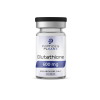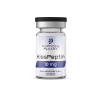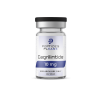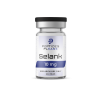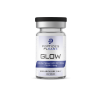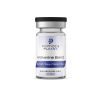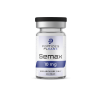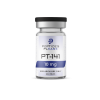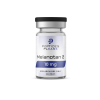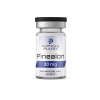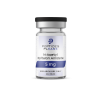
Peptide supplements are short chains of 2 to 50 amino acids, serving as the essential building blocks of proteins that play vital roles in numerous bodily functions, from hormone regulation and immune support to tissue repair and cellular signaling. Derived from sources like collagen, milk, eggs, or plants, these bioactive compounds are smaller and more easily absorbed than full proteins, allowing them to penetrate skin, intestines, and bloodstreams efficiently to deliver targeted benefits. Popular examples include collagen peptides for anti-aging skin health and joint support, creatine peptides for muscle growth and athletic performance, and others promoting weight loss, recovery, and overall wellness, though users should consult healthcare providers for safety and quality from reputable sources.
Explore Trusted Peptide Products Designed for Research from PeptidesPlease
Explore trusted peptide products designed for research from PeptidesPlease, your premier source for high-purity peptides crafted to empower biomedical research, anti-aging studies, bodybuilding protocols, weight loss experiments, and skincare innovations. Sourced from rigorous quality controls and third-party testing, our catalog features powerhouse options like BPC-157 for tissue repair, CJC-1295 for growth hormone modulation, Semaglutide analogs for metabolic research, and collagen-boosting peptides such as GHK-Cu—each vial backed by certificates of analysis to ensure potency, sterility, and compliance for lab use only. Whether you're investigating muscle hypertrophy, fat reduction synergies, or topical anti-aging formulations, PeptidesPlease delivers reliable, research-ready supplies with fast shipping and expert support, helping researchers like you unlock breakthroughs in health optimization without compromise.
What Are Peptides Supplements Used For
Peptide supplements are short chains of amino acids used to support various health goals, from skin health to muscle recovery. They're popular in wellness for their targeted effects and easier absorption compared to whole proteins.
Main Uses
Peptide supplements primarily target anti-aging, fitness, and metabolic health. Collagen peptides improve skin elasticity and hydration, and reduce wrinkles by boosting moisture and collagen production. They also aid muscle growth, joint mobility, and exercise recovery by enhancing protein synthesis and reducing damage.
Fitness Benefits
In bodybuilding and sports, peptides like collagen or creatine types promote muscle strength, endurance, and fat loss. They stimulate glucose uptake for energy and support recovery in athletes or older adults with low muscle mass. Some, like growth hormone releasers, aid bone and tissue repair, though regulated ones carry risks.
Health Applications
Bioactive peptides from food sources (milk, fish, plants) offer metabolic perks, such as lowering blood pressure, fighting inflammation, and improving gut health or immunity. They're used in skincare for sun protection and in therapy for wound healing or chronic disease prevention. Always check for FDA-approved options, as some peptides are banned in sports or unverified in supplements.
What Peptide Supplements Are Made Of
Peptides in supplements are typically 2-50 amino acids long, making them smaller and more bioavailable than full proteins. Common forms include collagen peptides from animal sources and bioactive peptides from dairy or plants. They often appear as powders, capsules, or creams with minimal additives.
- Animal-based: Collagen from fish skin, bovine hides, or eggs; whey/casein from milk.
- Plant-based: Soy, hemp, rice, or pea proteins for vegan options.
- Food-derived: Naturally in meat, beans, oats, and flaxseed, but supplements concentrate them.
How Peptide Supplements Work
Peptide supplements function as signaling molecules—short chains of amino acids that bind to specific cell receptors, triggering targeted biological responses like hormone release, muscle growth, skin repair, or fat loss. These messengers instruct the body to enhance natural processes, such as boosting collagen production, strengthening immune responses, or accelerating cellular repair.
- Cell Signaling and Communication: Peptides act as precise communicators, mimicking or amplifying the body's natural compounds to regulate key processes like inflammation control, tissue growth, and metabolic balance.
- Hormonal Regulation: Growth hormone secretagogues, such as Ipamorelin and CJC-1295, stimulate the pituitary gland to release natural human growth hormone (HGH). This promotes lean muscle development, fat metabolism, and overall vitality without introducing synthetic hormones.
- Targeted Receptor Action: Peptides bind directly to receptors for focused effects. For instance, GLP-1 receptor agonists like Semaglutide target appetite suppression and blood sugar stabilization, driving weight loss by influencing gut-brain signals—often more efficiently than relying on raw nutrients alone.
- Skin and Tissue Repair: Topical peptides cross the skin barrier to activate fibroblasts, signaling increased collagen synthesis. This enhances elasticity, reduces fine lines, and supports wound healing for smoother, more resilient skin.
Types of Peptide Supplements
Peptide supplements are short chains of amino acids classified by their primary functions, ranging from collagen peptides for skin and joint support to therapeutic options like BPC-157 for repair or GLP-1 agonists for weight loss. Available as over-the-counter wellness products or prescription therapeutics, they target specific pathways for anti-aging, muscle growth, fat loss, and recovery.
- Collagen Peptides: Hydrolyzed forms boost skin elasticity, joint mobility, and hair/nail strength by enhancing collagen synthesis.
- Creatine Peptides: Improve muscle strength, power output, and hypertrophy, offering better absorption than standard creatine for bodybuilding gains.
- Weight Loss Peptides: GLP-1 agonists (e.g., Semaglutide), AOD-9604, and Tesamorelin regulate appetite, accelerate fat metabolism, and preserve lean mass.
- Recovery and Growth Peptides: BPC-157 aids tendon, gut, and tissue repair; Ipamorelin and CJC-1295 stimulate natural growth hormone for muscle recovery and anti-aging.
- Skin Care Peptides: Copper peptides promote wound healing and collagen repair; Matrixyl reduces wrinkles and firms skin via topical application.
- Cognitive and Specialty Peptides: Selank and Semax enhance mood, focus, and neuroprotection; Melanotan II supports tanning and libido without UV exposure.
Sources of Peptides
Peptides can be sourced from a variety of origins, each offering unique health benefits and applications. Many peptide supplements are derived from food sources, with food-derived bioactive peptides found in whey proteins, eggs, and dairy products. These naturally present peptides can support muscle growth, boost the immune system, and aid in muscle recovery. Collagen peptide supplements, a popular type of dietary supplement, are often used to promote skin health, joint health, and overall well-being.
In addition to natural sources, peptides can also be produced synthetically in laboratories. Synthetic peptides, such as growth hormone-releasing peptides, are designed for specific purposes, including peptide therapy and medical research. These lab-created peptides can mimic the effects of naturally occurring peptides in the body, supporting processes like muscle repair and growth hormone production. Whether sourced from foods, dietary supplements, or produced synthetically, peptides play a vital role in supporting human health and are widely available in health food stores and through specialized peptide products.
Peptide Research and Development
The field of peptide research and development is rapidly advancing, with scientists continually uncovering new potential health benefits of different peptides. Collagen peptides, antimicrobial peptides, and growth hormone secretagogues are just a few examples of peptides being studied for their therapeutic potential. Through advanced peptide synthesis, researchers are able to create peptide drugs and peptide injections that target specific health conditions, such as severe chronic pain, high blood pressure, and other chronic health conditions.
Regulatory bodies like the World Anti-Doping Agency (WADA) oversee the use of peptides in sports to ensure fair competition, while the FDA regulates their inclusion in dietary supplements and medications. Molecular sciences are at the forefront of developing innovative peptide-based treatments, including topical creams and targeted therapeutic agents that offer precise benefits for conditions like blood pressure regulation and immune system support. As research continues, many peptides are being evaluated as complex drug products, opening new possibilities for managing and treating a wide range of health issues.
Peptide Supplements Vs Injectable Peptides
Peptide supplements, typically taken orally as powders, capsules, or liquids like collagen peptides, offer convenience and non-invasive use but suffer from low bioavailability since peptides are large molecules broken down by digestive enzymes and stomach acid before reaching the bloodstream, resulting in slower, less potent effects ideal for general wellness, joint support, or long-term maintenance. In contrast, injectable peptides—administered subcutaneously or intramuscularly—bypass the gut entirely for near-complete absorption, faster onset, and higher efficacy in targeted applications like muscle recovery, anti-aging, or injury repair (e.g., BPC-157 or TB-500), though they require needles, proper technique, and medical oversight, making them more invasive and suitable for performance or therapeutic goals. Ultimately, supplements suit beginners or daily routines with modest results, while injections deliver superior precision and speed for serious users, with choice depending on goals, tolerance for injections, and professional guidance.
Are Peptide Supplements Safe
Peptide supplements are generally safe for most healthy individuals when obtained from reputable manufacturers, as they consist of amino acids naturally present in foods; however, they lack FDA regulation as medicines, leading to variable quality and potential mild side effects such as headaches or injection-site irritation.
Peptide Supplements for Muscle Growth
Peptide supplements show promise for muscle growth, particularly when combined with resistance training. Studies indicate that options like pea peptides and collagen peptides can enhance muscle thickness, strength, grip force, and fast-twitch fiber ratios in animal models and elderly humans by activating growth pathways such as IGF-1 and testosterone signaling. For bodybuilders, popular peptides including Thymosin Beta-4 (TB-500) support repair via satellite cell proliferation, while collagen reinforces joints to sustain intense workouts. Always source from reputable suppliers due to the lack of FDA regulation of drugs.
Peptide Supplements for Weight Loss
Peptide supplements, especially GLP-1 receptor agonists like the FDA-approved, prescription injectables semaglutide (Wegovy/Ozempic) and tirzepatide (Zepbound/Mounjaro), promote substantial weight loss of 10-20% or more by boosting satiety, curbing appetite, and stabilizing blood sugar levels—yielding the best results when paired with healthy lifestyle changes.
Peptide Supplements for Skin and Hair
Hydrolyzed collagen peptides enhance skin hydration, elasticity, and wrinkle reduction by stimulating collagen, elastin, and hyaluronic acid production, while also strengthening hair follicles, boosting thickness, and promoting growth—particularly with specialized peptides like GHK-Cu for scalp health. Visible improvements typically emerge after daily use for 8–12 weeks, supported by clinical evidence showing significant gains in skin moisture and firmness within 4–12 weeks.
Peptide Supplements for Joint Health
Collagen peptides, particularly hydrolyzed forms and Type II collagen, stand out as the leading clinically supported supplements for joint health, improving cartilage structure, alleviating pain, and boosting mobility in osteoarthritis patients through their small, bioavailable protein composition that aids tissue repair. Effective options include hydrolyzed bovine or marine collagen powders, which are often combined with chondroitin, glucosamine, or turmeric for enhanced results, as evidenced by trials showing significant pain reduction during activity and daily function after 12 weeks of supplementation.
Peptide Supplements for Gut Health
Peptide supplements like BPC-157 and KPV offer promising support for gut health by promoting tissue repair, reducing inflammation, and strengthening the intestinal barrier to combat issues such as leaky gut, IBS, ulcers, and IBD. BPC-157, a synthetic peptide derived from gastric juices, accelerates healing of the gastrointestinal lining, protects against ulcers and toxins like NSAIDs or alcohol, and enhances gut-brain axis signaling, often administered orally at 250-500 mcg daily for 4-6 weeks. KPV, frequently combined with BPC-157 in products like Guttides, provides anti-inflammatory effects and boosts peptide stability, while glutamine peptides fuel intestinal cells, maintain tight junctions, and prevent permeability. These supplements, backed by preclinical studies and emerging clinical use, synergize with probiotics or antioxidants like glutathione for comprehensive gut restoration, microbiome balance, and improved nutrient absorption, though consulting a healthcare provider is advised for personalized dosing.
Find Reliable Peptide Products for Research at PeptidesPlease
Discover reliable peptide products for your research needs at Peptides Please, where high-purity research peptides, proteins, and amino acid derivatives exceeding 99% purity are crafted using advanced solid-phase and solution-phase synthesis for scientific and laboratory use only. With rigorous quality controls ensuring stability, consistency, and precise sequence accuracy, Peptides Please stands out as a trusted source among researchers seeking top-tier compounds backed by detailed research guides and peer-reviewed insights via their blog. Elevate your experiments today with fast, dependable access to these premium peptides designed exclusively for cutting-edge biomedical studies.
Frequently Asked Questions
What are peptides in supplements?
Peptides in supplements are short chains of amino acids, typically fewer than 50, derived from proteins like collagen or created synthetically. They are broken down for easier absorption compared to full proteins and appear in products like collagen peptides or creatine peptides. Unlike whole proteins, these bioactive peptides target specific functions when ingested orally, though peptide hormones (like synthetic hGH versions) are not approved for supplements and often fail to survive digestion intact.
What do peptide supplements do?
Peptide supplements signal cells to perform actions like collagen production for skin elasticity, muscle repair, or hormone regulation. Common types, such as collagen peptides, improve skin health, joint function and may aid muscle growth by enhancing protein synthesis. Bioactive peptides can also lower blood pressure, reduce inflammation, boost immunity, or support metabolic health, as seen with GLP-1 analogs for glucose control, though results vary by type and individual response.
What are peptides in supplements for?
Peptide supplements primarily target anti-aging (skin firmness, wrinkle reduction), muscle building and recovery, weight loss via fat metabolism, and overall wellness, like immune or gut support. Examples include BPC-157 for tissue repair or follistatin for muscle gains, often used in bodybuilding and skincare routines. They are found naturally in foods like meat, eggs, and beans, but supplements provide concentrated doses; however, hormone-like peptides carry risks and are banned in sports by WADA.
How do oral peptide supplements differ from injectable research products?
Oral peptide supplements are over-the-counter dietary products (like hydrolyzed collagen or bioactive carnosine) designed for gut absorption without injection.
Summary
Peptide supplements are short chains of 2 to 50 amino acids, serving as the building blocks of proteins, naturally found in foods like collagen-rich bone broth, eggs, milk, and fish, or synthesized for targeted health benefits such as anti-aging skin repair, muscle growth and recovery, joint support, immune modulation, and metabolic regulation. Unlike larger proteins, their smaller size allows easier absorption through the skin, intestines, and bloodstream, making them popular in collagen peptides for wrinkle reduction and elasticity, creatine peptides for athletic performance, and growth hormone secretagogues for bodybuilding and weight loss. While generally safe and well-tolerated with minimal side effects when sourced from reputable brands, users should consult healthcare providers due to potential interactions, regulatory concerns with synthetic peptide hormones (like those banned by WADA), and the superiority of supplements over diet for delivering precise, concentrated doses.