Collagen peptides are one of the most widely used protein supplements in the US and Canada, and for most people they are well tolerated. When side effects do appear, they are usually mild, short lived, and digestive: bloating, gas, constipation, diarrhea, a feeling of fullness, and occasional heartburn. Less often, people react to the source of the collagen or need to think about the oxalate load. This page pulls together what used to live across our separate bloating, constipation, and diarrhea explainers into one place.
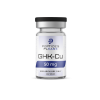
If your interest is the laboratory side of collagen and skin biology rather than oral supplements, our copper peptide is the catalogue item researchers use for that work. Shop GHK-Cu for research.
Key Takeaways
- The most common collagen peptide side effects are digestive and mild: a feeling of fullness or heaviness, bloating, gas, constipation, and diarrhea.
- Most reactions happen early, when the body is adjusting, or when the dose is pushed too high too fast. Studies often use around 20 g per day.
- Collagen contains no fiber, so replacing fiber rich foods with it, or not drinking enough water, is a frequent cause of constipation.
- Diarrhea and loose stools are usually linked to high doses over roughly 10 to 20 g at once, additives, incomplete hydrolysis, or source sensitivity.
- People who form calcium oxalate kidney stones should be cautious: one controlled study found 30 g of gelatin raised urinary oxalate by about 43%.
- Serious allergic reactions are rare but possible depending on the source, bovine, marine, or egg.
The Most Common Collagen Peptides Side Effects
Across the pages that rank for this topic, the agreement is clear: collagen peptides are generally safe, and when side effects occur they are mostly gastrointestinal. According to MedicineNet, reported effects include diarrhea, constipation, heartburn, a bloated feeling, and a reduced appetite. WebMD lists collagen as generally well tolerated, with mild digestive complaints and rare allergic reactions as the main concerns. The pattern that runs through all of it is simple. Collagen is a concentrated protein. Your gut has to process it, and when the load is new or large, it can push back.
Bloating and Gas
Bloating is one of the first things people notice. You stir a scoop into coffee, it has no taste, and by midday your stomach feels puffed up. The usual reasons are a high protein load hitting the gut at once, starting with a full scoop instead of easing in, sweeteners or flavoring agents in the powder, pre existing gut sensitivity such as irritable bowel syndrome, and stacking collagen with other supplements like high dose vitamin C or fiber blends.
When digestion slows, fermentation in the gut increases gas, and that is what you feel. The fix is almost always patience and dose. Start smaller, build up gradually, and watch how your gut responds rather than powering through. For most people the puffiness is a short term adjustment, not a lasting problem.
Constipation
Constipation is less common but real, and it has a specific cause: collagen is almost entirely protein and contains no dietary fiber. When a collagen supplement quietly replaces higher fiber, nutrient dense foods, total fiber intake drops, stool loses bulk, and bowel movements slow down. Add in low water intake and a higher overall protein load, and the result can be harder, less frequent stools.
- Low fiber intake: swapping fruit, grains, or vegetables for a fiber free protein reduces stool bulk.
- Dehydration: protein metabolism needs water, and without it stool hardens.
- Additives: some powders contain sweeteners or flavorings that upset digestion more than the collagen itself.
The countermeasures are straightforward: pair collagen with fiber rich foods such as berries, leafy greens, and broccoli, drink plenty of water, spread the dose across the day, and start low so the digestive system can adjust.
Diarrhea and Loose Stools
At the other end, some people get loose stools or diarrhea. The common triggers are taking too much at once, often more than 10 to 20 g in a single serving, sensitivity to the bovine or marine source, fillers like artificial sweeteners, incomplete hydrolysis that leaves larger peptides lingering in the intestine and pulling water in, and simply not drinking enough. Collagen is hydrophilic, so it draws water into the gut, and a hydration shortfall can soften stools.
People with IBS, low protein tolerance, or histamine intolerance may react more strongly. The approach that works is the same as for the other effects: lower the dose, choose a clean third party tested product, split servings, and drink more water. A randomized trial on exercise induced gastrointestinal stress found collagen peptide supplementation did not worsen gut symptoms in that setting, which supports the view that dose and context matter more than the collagen itself.
Heartburn, Fullness, and Reduced Appetite
A feeling of fullness or heaviness in the stomach is one of the single most commonly reported effects, which is typical of any concentrated protein powder. Mild heartburn or reflux can follow, usually tied to the volume of the serving or the liquid it is mixed with rather than the collagen itself. Some people also notice a smaller appetite after dosing, again a normal response to a protein load. Mixing collagen into enough liquid and avoiding large single servings usually settles these.
Allergic Reactions and Source Sensitivity
Allergic reactions are uncommon but possible, and they depend on where the collagen comes from. Bovine collagen is the most common form in powders, while marine collagen is sourced from fish, and some products use egg. People with fish or egg allergies should read labels carefully. Mild reactions can present as skin rashes or general discomfort, while true allergic responses are rare. If you have a known allergy to the source animal, that is reason enough to avoid that product.
Kidney Stones and the Oxalate Question
This is the effect most pages skip, and it matters for one specific group. Collagen is rich in the amino acid hydroxyproline, which the body can convert into oxalate. In a controlled study reported in Kidney International, a 30 g gelatin load raised urinary oxalate excretion by about 43% and urinary glycolate by more than fivefold compared with a whey protein diet. No human study shows collagen causes kidney stones in the general population, and stone formation depends on many factors beyond oxalate alone. Still, anyone who forms calcium oxalate kidney stones should talk to a physician before using collagen regularly.
Who Is Most Likely to React
You are more likely to notice side effects if you have irritable bowel syndrome or a sensitive stomach, if you start at a high dose instead of easing in, if you are dehydrated, if you take several supplements at once, or if you are sensitive to a particular source or additive. People with chronic kidney disease should be cautious with any high protein intake and should consult a doctor first.
How to Reduce Collagen Peptide Side Effects
- Start low and build up. Begin with a partial scoop and increase over a week or two so your gut can adjust.
- Hydrate. Drink plenty of water, since collagen pulls water into the gut and protein metabolism needs it.
- Keep your fiber. Do not let collagen replace fruit, vegetables, and whole grains.
- Split the dose. Spreading intake through the day is gentler than one large serving.
- Choose clean, third party tested products. Fewer additives means less to irritate the gut.
- Match the source to your tolerances. Avoid marine collagen with a fish allergy, and bovine if you react to it.
When to Stop and See a Doctor
Most collagen side effects are mild and fade as the body adapts. Stop and seek medical advice if you have signs of a serious allergic reaction such as swelling, trouble breathing, or widespread rash, if diarrhea is severe or lasts more than a couple of days with signs of dehydration, or if digestive symptoms persist after you have lowered the dose and improved hydration. People with kidney stones or chronic kidney disease should speak with a physician before continuing.
Frequently Asked Questions
What is the most common side effect of collagen peptides?
A feeling of fullness or heaviness in the stomach, followed by mild bloating and gas. These are typical of any concentrated protein powder and usually fade as your body adjusts.
Can collagen peptides cause both constipation and diarrhea?
Yes. Constipation tends to come from the lack of fiber and low water intake, while diarrhea tends to come from high single doses, additives, or source sensitivity. Which one you get depends on your dose, hydration, and gut.
How do I take collagen peptides without side effects?
Start with a small dose, increase gradually, drink plenty of water, keep fiber in your diet, split servings across the day, and pick a clean third party tested product.
Do collagen peptides affect your kidneys?
For most people, no. But collagen raises urinary oxalate, with one study showing about a 43% rise after 30 g of gelatin, so people who form calcium oxalate kidney stones should consult a physician first.
How long do collagen side effects last?
Usually a short adjustment period of a few days to a couple of weeks. If symptoms continue after you lower the dose and improve hydration, stop and check with a healthcare professional.
Shop Research Peptides at Peptides Please
Collagen peptides are an oral supplement, and the effects above relate to eating them. If your focus is the research side of collagen and skin biology, our copper peptide, GHK-Cu, is the catalogue item used in that work. Every product Peptides Please supplies is sold strictly for laboratory research and is not for human or animal use.
Shop GHK-Cu copper peptide or browse the BPC-157 range for tissue and skin research compounds. You can also read our companion guides on how much collagen peptides to take per day and the best time to take collagen peptides.