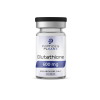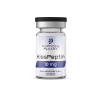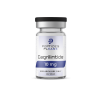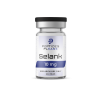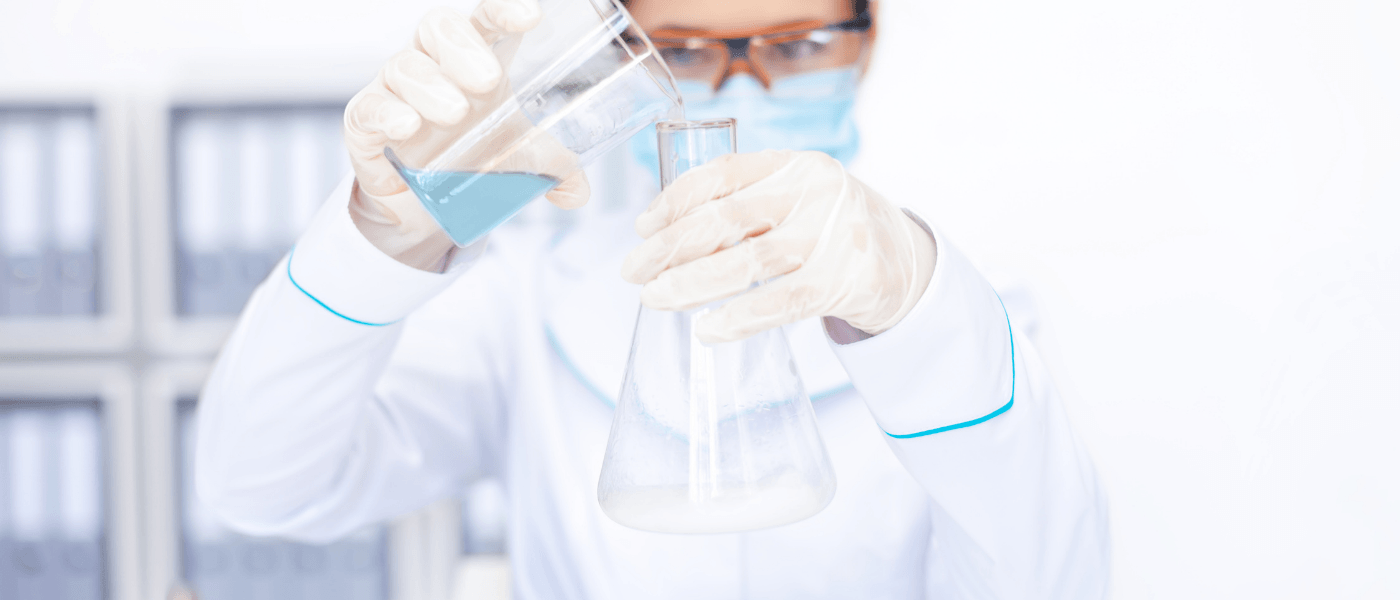
Knowing how to mix peptides correctly is essential for achieving accurate results in research purposes and ensuring safe and effective peptide therapy. Peptides are short chains of amino acids that are often stored in lyophilized form inside a peptide vial. Before use, this powder needs to go through a reconstitution process, where a sterile solution such as bacteriostatic water is added to achieve the desired concentration. Whether preparing a synthetic peptide for laboratory analysis or clinical application, precision during reconstitution determines the quality and stability of the final solution.
For those working with peptide injections or exploring their role in muscle growth, understanding proper handling and measurement is just as important as knowing the science behind peptides. Using tools like a peptide calculator helps determine the exact dilution needed for optimal effectiveness and consistency. Comprehensive knowledge of preparation methods not only maximizes research accuracy but also ensures safety and efficacy in every step of the peptide mixing process.
How to Properly Mix Peptides
To properly mix peptides, gently inject bacteriostatic water into the powdered peptide vial by aiming at the glass wall, then slowly swirl or roll the vial until the powder fully dissolves—never shake it vigorously to preserve peptide integrity. Always clean the vial tops with alcohol beforehand, store the reconstituted solution in the refrigerator, and follow your provider's specific dosage instructions for accurate results and safety.
How to Mix Peptides with Water
To mix peptides with bacteriostatic water, first sanitize the vial tops with alcohol, then draw the correct amount of water into a syringe and slowly inject it down the side of the peptide vial. Gently swirl or roll the vial—avoid shaking—to fully dissolve the powder, which usually takes a few minutes, and store the solution in the refrigerator for stability.
How to Mix Peptides with Reconstitution Solution
To mix peptides properly, first bring the vials to room temperature, clean the tops with alcohol, and use a syringe to inject reconstitution solution like bacteriostatic water into the peptide vial along the side, avoiding direct contact with the powder. Gently swirl or roll the vial to dissolve the powder completely—never shake it to prevent damage—and allow it to sit for 15-30 minutes until the liquid is clear. Store the solution in the refrigerator for stability and use only when fully dissolved.
How to Mix Peptides with Bac Water
To mix peptides with bacteriostatic water, first clean the vials and your hands thoroughly, then draw the prescribed amount of water into a syringe—adding air first helps balance pressure—and slowly inject it down the side of the peptide vial so it runs onto the powder. Gently swirl or roll the vial until the solution is clear, never shake it to avoid damaging the peptides, and store it refrigerated for safe use.
How Much Bac Water to Mix 5mg Peptides
When mixing 5mg of a peptide with bacteriostatic water, select a volume like 1-2 mL to achieve a practical concentration (e.g., 5 mg/mL with 1 mL or 2.5 mg/mL with 2 mL) that simplifies dosing calculations using an insulin syringe. This approach ensures accurate measurement of desired doses, such as drawing specific units (e.g., 10-50 units for 250-1000 mcg), while avoiding overly dilute solutions that require large volumes or concentrated ones hard to measure precisely.
How Much Bac Water to Mix 10g Peptides
For a 10 mg peptide vial, a common research-only approach is to mix 1–2 mL of bacteriostatic water, which gives simple concentrations such as 10 mg/mL with 1 mL or 5 mg/mL with 2 mL, making dose math easier. The exact amount of bac water is not fixed and should be chosen based on the peptide’s instructions and the concentration you want, since product datasheets or calculators often specify a particular reconstitution volume. Many practical guides note that using between 1 and 3 mL of bacteriostatic water for a 10 mg vial is typical for research use, but you must follow the specific protocol for your peptide and intended experimental dosing.
How to Mix Peptides for Injection
To mix peptides for injection, use sterile technique to gently combine the powdered peptide with bacteriostatic water by injecting the water into the vial, then swirl softly without shaking to dissolve it fully and avoid degradation. Always follow your prescriber's specific dosage and solvent instructions precisely. Store the reconstituted solution in the refrigerator.
How to Mix Peptides for Weight Loss
To reconstitute weight loss peptides like Semaglutide or Tirzepatide, use sterile techniques with a syringe and vial to add bacteriostatic water or saline to the powdered peptide, creating an injectable solution at a concentration based on your prescription (e.g., 1-2 mL water for a 5 mg vial). Carefully calculate and draw doses for subcutaneous injection, combining treatment with diet and exercise for optimal fat loss results, as effectiveness varies by individual and peptide type.
How to Mix Peptides for Bodybuilding
To mix peptides for bodybuilding, start by gathering a lyophilized peptide vial, bacteriostatic water, alcohol swabs, and a sterile syringe in a clean workspace; wash your hands and disinfect the vial tops with alcohol. Draw the recommended amount of bacteriostatic water (often 1-2mL depending on peptide dosage needs, like for Ipamorelin or CJC-1295 stacks) into the syringe, then slowly inject it into the peptide vial at an angle along the side to avoid foaming or damaging the powder. Gently swirl or roll the vial until the powder fully dissolves—never shake vigorously to prevent degradation—allowing 15-30 minutes for complete reconstitution if needed, then label with the date, refrigerate, and use within 28 days for safe dosing in muscle growth protocols.
How to Mix Peptides for Nasal Spray
To prepare peptides for a nasal spray, first reconstitute the freeze-dried powder by adding a sterile diluent such as bacteriostatic water or saline to the vial, then gently swirl or invert it without vigorous shaking to avoid damaging the peptides. Next, transfer the solution into a clean nasal spray bottle, ensuring the pH and concentration are optimized for stability and absorption. This process often benefits from professional compounding knowledge to match specific peptide requirements and maintain effectiveness.
How to Mix Powder Peptides
To mix powdered peptides safely, start by sterilizing the vial tops with alcohol wipes. Then, slowly inject bacteriostatic water into the peptide vial along the side wall to prevent foaming, gently swirl or roll the vial to fully dissolve the powder without shaking, and store the solution in the refrigerator for preservation.
How to Mix Lyophilized Peptides
To mix lyophilized peptides, allow the vial and sterile solvent (such as water, PBS, or a DMSO/ACN mix) to reach room temperature first. Use a syringe to slowly add the solvent along the vial's inside wall, then gently swirl or rock it for 15-30 minutes until fully dissolved, avoiding shaking to preserve integrity, before aliquoting for single use and storing properly.
How to Mix Collagen Peptides
To mix collagen peptides effectively, dissolve the powder into liquids like coffee, smoothies, water, or juices using a whisk, frother, or blender to eliminate clumps, particularly when starting with cold drinks, by first blending it into a small amount of warm liquid. Alternatively, incorporate it seamlessly into foods such as yogurt, oatmeal, soups, or baked goods for effortless daily use. This approach ensures smooth texture and optimal absorption without altering flavors.
How to Mix Collagen Peptides Powder
To mix collagen powder smoothly, dissolve it in hot liquids like coffee or tea, blend it into smoothies or yogurt, or stir it into water and juice using a whisk, frother, or shaker bottle to avoid clumps. Since it's heat-stable, bake it into foods after thorough mixing for best results. For cold drinks, first blend into a small amount of lukewarm liquid before adding ice or more cold components.
How to Mix Peptides at Home
To mix peptides at home, start by sanitizing your workspace, hands, and vial tops with alcohol swabs, then use a sterile syringe to draw the calculated amount of bacteriostatic water (typically 1-2mL per 5-10mg peptide vial, based on desired concentration) without a needle initially. Insert the needle at an angle into the peptide vial and slowly drip the water down the inner wall to avoid foaming or damaging the powder, then gently swirl or roll the vial until fully dissolved—never shake vigorously. Check for a clear solution free of particles, store in the refrigerator at 2-8°C for up to four weeks, and discard if cloudy; always consult specific peptide guidelines and prioritize sterility to prevent contamination.
How to Mix Your Own Peptides
To mix your own peptides, start by sanitizing your workspace, hands, and the rubber tops of the lyophilized peptide vial and bacteriostatic water vial using alcohol swabs to prevent contamination. Draw the desired amount of bacteriostatic water (typically 1-3 mL, depending on peptide quantity and concentration needs) into a sterile syringe, then slowly inject it along the side of the peptide vial without directing it straight at the powder to avoid foaming or degradation. Gently swirl or roll the vial until the powder fully dissolves—never shake vigorously—and label it with the peptide name, concentration (calculated as mg peptide divided by mL water), and date before refrigerating at 2-8°C for up to 2-4 weeks.
How to Mix Simple Peptides
To mix simple peptides, start by gathering supplies, including the lyophilized peptide vial, bacteriostatic water (typically 1-3 mL depending on desired concentration), alcohol swabs, a sterile syringe (like an insulin syringe with a 29-31 gauge needle), and a clean workspace. Sanitize the vial tops with alcohol swabs, draw the appropriate amount of bacteriostatic water into the syringe, then slowly inject it into the peptide vial at an angle so the water runs down the side without directly hitting the powder, which could damage the structure. Gently swirl or roll the vial until the powder fully dissolves into a clear solution—avoid shaking vigorously to prevent foaming or degradation—then label the vial with the date and store it refrigerated for stability.
How to Mix Core Peptides
To mix peptides from core peptides, first gather supplies including the lyophilized peptide vial, bacteriostatic water, alcohol swabs, a sterile mixing syringe with an 18-gauge needle, and a clean workspace. Wipe the tops of both vials with alcohol swabs, draw the recommended volume of bacteriostatic water (typically 1-2 mL depending on peptide amount and desired concentration) into the syringe, then slowly inject it into the peptide vial at an angle along the glass wall to avoid damaging the powder. Gently swirl or roll the vial—never shake—to dissolve the powder completely over 5-15 minutes until clear, then store the reconstituted solution in the refrigerator at around 4°C, protecting it from light and moisture for stability up to three weeks. Always consult specific dosage instructions or a professional, as these are for research use only.
How to Mix Retatrutide Peptide
To reconstitute retatrutide peptide, first let the vial reach room temperature, wipe the tops with alcohol swabs, then use a syringe to slowly add the calculated volume of bacteriostatic water down the vial's side wall to avoid foaming. Gently swirl or roll the vial for 15-30 minutes until fully dissolved—never shake to prevent damage—before refrigerating and calculating doses for subcutaneous injection based on concentration, always under medical supervision, starting low and titrating up weekly.
Find Reliable Peptide Products for Research at PeptidesPlease
Find reliable peptide products for research at our website, where researchers can explore expertly formulated lyophilised peptides designed for various studies, including metabolism and skin rejuvenation. Our detailed guide on how to mix peptides ensures proper reconstitution to maintain stability and potency, supporting accurate results for different individual needs and targeted tissues. Whether your focus is on enhancing skin health or optimizing metabolism, our premium peptide selection provides consistent quality and reliability for all scientific applications.
Frequently Asked Questions
How to mix peptides with bacteriostatic water?
Clean the workspace, hands, and vial tops with alcohol swabs. Draw the required amount of bacteriostatic water into a sterile syringe (typically 1-3 mL depending on peptide size, e.g., 1 mL for 1-5 mg), inject it slowly down the side of the peptide vial at an angle to avoid foaming, then gently swirl until dissolved—never shake.
What solution to mix with peptides?
Bacteriostatic water is the standard solution for reconstituting injectable research peptides due to its preservative (0.9% benzyl alcohol) that prevents bacterial growth, allowing multi-dose use up to 28 days. Other options, like sterile water suit single-use, while PBS or dilute acetic acid may work for specific peptide types based on solubility.
What shouldn't you mix with peptides?
Avoid mixing peptides with strong acids (e.g., salicylic, glycolic) or certain incompatible ones like GLP-1s (semaglutide, tirzepatide) with others, as they cause degradation, precipitation, or pH instability. Do not use tap water, vinegar, or non-sterile liquids, and skip shaking vials to prevent denaturation.
What peptides can I mix together?
Compatible peptides for co-injection include BPC-157, TB-500, GHK-Cu, CJC-1295/Ipamorelin, Tesamorelin, Sermorelin, TA1, Pinealon, Epithalon, and Selank, if pH and solubility match—draw sequentially and inject promptly. Avoid GLP-1s (semaglutide, tirzepatide), Melanotan, VIP, Pentosan, or unbuffered NAD+ with others.
What liquid to mix with peptides?
Bacteriostatic water is preferred for most research peptides, offering sterility and extended stability over sterile water (single-use only). For lab-specific cases, use sterile water, PBS (pH 7.4), or 0.1% acetic acid based on peptide charge and hydrophobicity.
What is the best way to mix collagen peptides?
For oral collagen peptide supplements, add one scoop to 8-12 oz room-temperature or warm liquid (water, milk), shake vigorously in a shaker bottle or blend for 10-15 seconds to avoid clumps—start with warm water if using cold. Stir into yogurt, smoothies, or hot drinks like coffee for even mixing.
What is the best thing to mix collagen peptides with?
Collagen peptides mix best with water, coffee, smoothies, milk (dairy or plant-based), yogurt, or hot chocolate for smooth dissolution and flavor neutrality. Pair with vitamin C sources or protein shakes post-workout to enhance absorption and benefits.
How to properly mix peptides?
Wipe vial tops with alcohol swabs, draw bacteriostatic water into a sterile syringe (amount based on vial size), inject slowly down the vial side at an angle to avoid direct spray, and gently swirl until dissolved—never shake to prevent damage. Let sit if needed for full dissolution, then refrigerate.
How much water to mix with peptides?
Use 1-3 mL of bacteriostatic water per typical 5-10 mg vial for easy dosing (e.g., 1 mL for 10 mg makes 100 mcg per unit on an insulin syringe); adjust for convenience, like 2 mL for smaller doses. Peptide calculators help match volume to the desired mcg per injection.
How much bacteriostatic water to mix with peptides?
Commonly 1 mL for 5-10 mg vials (e.g., 2 mL for 10 mg TB-500 yields 250 mcg/10 units); scale proportionally, such as 2.5 mL for 5 mg BPC-157. More water dilutes for precise micro-dosing.
How many ml of bacteriostatic water to mix with peptides?
1-2 mL suits most 5-10 mg research peptides for standard insulin syringes; for example, 2 mL into 10 mg vial gives 500 mcg/50 units (5 mcg/unit). Vial capacity limits to ~3-5 mL max.
How do you mix simple peptides?
For basic hydrophilic peptides like CJC-1295/Ipamorelin blends, add 1-2 mL bacteriostatic water slowly down the side, swirl gently, and refrigerate after dissolving. Use room-temperature water for faster mixing without shock.
How do you mix peptides for injection?
Sterilize everything, draw measured bacteriostatic water with a larger syringe if needed, drip into the peptide vial without foaming, swirl to dissolve, then draw doses with insulin syringes for subcutaneous or intramuscular injection. Store refrigerated up to 28 days.
Can I mix peptides into one syringe?
Yes, compatible peptides (e.g., BPC-157/TB-500, CJC-1295/Ipamorelin) can be drawn sequentially into one syringe if pH/solubility match, then injected immediately—avoid inactivating combos like GLP-1s. Reconstitute separately first.
Summary
In summary, properly mixing peptides involves preparing a sterile workspace, disinfecting vial tops with alcohol swabs, drawing the appropriate volume of bacteriostatic water into a syringe (typically 1-3 mL depending on desired concentration), slowly injecting it along the vial wall to avoid direct contact with the lyophilized powder, and gently swirling—never shaking—until fully dissolved for even reconstitution without degradation. Calculate concentration by dividing peptide mass (e.g., 10 mg) by water volume (e.g., 2 mL yields 5 mg/mL) to ensure accurate dosing, then label the vial with details and refrigerate at 2-8°C for stability up to 2-4 weeks. Adhering to these steps maintains peptide integrity, prevents contamination, and supports reliable research outcomes while avoiding common pitfalls like vigorous agitation or improper solvents.