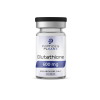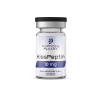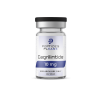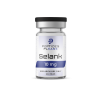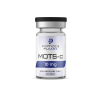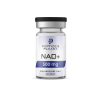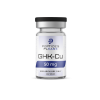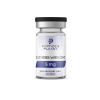
Peptides, chains of amino acids, vary in stability at room temperature depending on factors like amino acid composition and form. How long do peptides last at room temperature? Lyophilized peptides typically remain stable for 2-4 weeks, though some sources indicate up to a few months under ideal dry conditions, while reconstituted peptide solutions degrade faster, often within days due to peptide degradation accelerated by heat and moisture.
Storing peptides requires attention to their type, such as acidic peptides or basic peptides, which may interact differently with solvents like acetic acid. Peptides remain stable longer when kept lyophilized in proper storage away from light and humidity, but amino acid composition—especially sensitive residues like cysteine or methionine—can hasten breakdown. For optimal longevity, shift to refrigeration or freezing post-short-term room temperature exposure.
Do Peptides Need to Be Refrigerated?
Peptides require refrigeration, particularly after reconstitution into liquid form, where they should be kept at 2-8°C (36-46°F) for short- to medium-term use to preserve stability. Dry peptide powder remains viable at room temperature for extended periods but achieves optimal long-term potency when frozen at -20°C, always protected from light and moisture. Before opening frozen vials, allow them to reach room temperature to avoid condensation that could compromise integrity.
Why Do Peptides Need to Be Refrigerated?
Peptides require refrigeration at 2-8°C to slow chemical degradation, safeguard their sensitive amino acid chains, and sustain potency, since elevated temperatures accelerate molecular breakdown—particularly in dissolved forms—while even powder versions benefit from cool, dry conditions to limit moisture and air exposure. Light and air protection further extends effectiveness, minimizing functional loss and waste.
Do All Peptides Need to Be Refrigerated?
Not all peptides demand constant refrigeration, though it's strongly advised for most—particularly reconstituted or pre-mixed ones—to preserve stability and potency. Dry powder forms hold up well short-term in cool room conditions but gain longevity from refrigeration or freezing, with protection from light, moisture, and air essential across the board. Requirements can differ by specific peptide type.
Do Powder Peptides Need to Be Refrigerated?
Lyophilized powder peptides remain stable at room temperature for short periods but require refrigeration at 4°C (39°F) for extended stability and freezing at -20°C (-4°F) or lower for long-term storage, always kept sealed in a cool, dry, dark place to prevent rapid degradation from humidity, heat, moisture, and light exposure.
Do Injectable Peptides Need to Be Refrigerated?
Most injectable peptides, particularly after reconstitution, demand refrigeration at 2-8°C (36-46°F) to ensure stability and potency, whereas dry powder forms prove more resilient at room temperature or colder for extended storage. Always adhere to specific product guidelines, shielding them from light and moisture, and opt for lyophilized powders to maximize shelf life before mixing liquids for refrigeration.
Do Nasal Spray Peptides Need to Be Refrigerated?
Most peptide nasal sprays, particularly after reconstitution, require refrigeration at 2-8°C to preserve stability and potency, while dry powders endure longer at room temperature. Always verify specific product instructions, avoiding freezing and light exposure since peptides degrade more quickly in solution and with air or moisture contact—some need refrigeration before opening but remain stable at room temperature afterward.
Do Reconstituted Peptides Need to Be Refrigerated?
Reconstituted peptides must be refrigerated at 2-8°C (36-46°F) for short-term use spanning days to weeks to halt degradation, while longer-term storage—lasting months to over a year—necessitates aliquoting into portions and freezing at -20°C or -80°C to preserve potency. Repeated freeze-thaw cycles should be avoided, with adherence to specific product guidelines essential throughout.
Do Lyophilized Peptides Need to Be Refrigerated?
Lyophilized (freeze-dried) peptides benefit from refrigeration at 4°C for short-term storage over weeks or months and require freezing at -20°C or colder for long-term stability, though they remain viable at room temperature for days to weeks. Protection from moisture, light, and repeated freeze-thaw cycles proves crucial, with vials always warming to room temperature before opening to avert condensation damage.
Do Unmixed Peptides Need to Be Refrigerated?
Unmixed lyophilized powder peptides should ideally be refrigerated for short-term use spanning weeks to months and frozen for long-term storage over years to shield against degradation from heat, light, and moisture, though they tolerate brief room-temperature periods when kept sealed and dry. Airtight containers provide essential protection from light, with vials always allowed to warm to room temperature before opening to prevent condensation damage.
How Long Do Peptides Last at Room Temperature?
Lyophilized (freeze-dried) peptides generally stay stable at room temperature for days to a few weeks, with some sources indicating up to a month, though stability wanes over time, while reconstituted versions endure only hours to days before degrading. Optimal results come from storing dry peptides cold at 2-4°C or frozen at -20°C, and keeping reconstituted ones refrigerated at 4°C or frozen, all shielded from light and moisture.
How Long Do Peptides Last in the Fridge?
Peptide fridge storage durations vary by form. Reconstituted (liquid) peptides typically last a few weeks to a couple of months when refrigerated at 2-8°C. Lyophilized (powder) peptides endure up to a year or longer in the fridge, though freezing at -20°C or -80°C optimizes long-term stability spanning months to years. Protection from light and moisture remains critical, alongside adherence to manufacturer instructions for particular peptide types.
Factors That Impact Peptide Room Temp Stability
Peptide stability at room temperature hinges on factors like form (lyophilized versus reconstituted), specific amino acid sequence, and environmental elements such as humidity, light, and oxidation. Lyophilized (freeze-dried) peptides typically endure short periods—days to weeks—in these conditions but prove highly vulnerable to moisture and sometimes heat, risking degradation.
Temperature-Specific Tips for Better Peptide Storage and Handling
Peptides are delicate biomolecules that require strict temperature and environmental control to maintain their stability, prevent degradation (e.g., hydrolysis or oxidation), and ensure experimental accuracy.
Short-Term Storage for Peptides
- Temperature: −20 °C is adequate for most peptides.
- Form: Lyophilized powder preferred.
- Alternatives: For stable peptides, storage at 4 °C is acceptable for a few weeks.
Long-Term Storage for Peptides
- Temperature: −80 °C (preferred for maximum stability).
- Form: Lyophilized (freeze-dried) powder.
- Atmosphere: Store under an inert gas (nitrogen or argon) to minimize oxidation, especially for peptides containing sensitive residues such as Cys, Met, Trp, Asn, and Gln.
Explore Trusted Peptide Products Designed for Research from PeptidesPlease
Lyophilized peptides, the standard form for research-grade products, typically remain stable at room temperature (around 20-25°C) for 2-4 weeks, though this varies by specific peptide sequence, with some lasting up to a few months if kept dry and protected from light and moisture. Beyond this period, gradual degradation occurs due to factors like hydrolysis or oxidation, reducing potency, so refrigeration (2-8°C) extends stability to months, while freezing at -20°C or lower preserves them for years. Explore trusted peptide products designed for research from our website, where high-purity, lyophilized options ensure reliability for your experiments, with detailed storage guidelines provided to maintain integrity.
Frequently Asked Questions
Do dry peptides need to be refrigerated?
No, dry (lyophilized) peptides do not strictly need refrigeration for short-term storage; they remain stable at room temperature for several weeks to months. For long-term storage, refrigeration at 4°C or freezing at -20°C or below is recommended.
How long can peptides be stored at room temperature?
Dry peptides can be stored at room temperature for 2-3 weeks to several months, depending on the specific peptide. Avoid direct sunlight and prolonged exposure beyond this for optimal stability.
What happens to peptides if they aren't refrigerated?
If not refrigerated, peptides may slowly degrade over time due to oxidation, hydrolysis, or moisture absorption, especially sensitive ones with Cys, Met, or Trp. Degradation accelerates with heat, light, or air exposure, reducing potency.
What happens if peptides get warm?
Warm temperatures accelerate degradation through hydrolysis, oxidation, or denaturation, particularly for reconstituted peptides above 25-40°C. Short exposure is tolerable, but prolonged heat reduces activity and stability.
Should peptides be taken at room temperature?
Yes, allow refrigerated peptides to warm to room temperature before use to prevent moisture condensation and ensure accurate dosing. This applies especially to injections for comfort and efficacy.
Do injectable peptides need to be refrigerated?
Dry injectable peptides do not require refrigeration short-term but benefit from it long-term; reconstituted ones must be refrigerated at 2-8°C. Proper storage maintains potency.
How long can reconstituted peptides be out of the fridge?
Reconstituted peptides can be out for 15-30 minutes safely, up to 2-4 hours acceptably for short needs like travel. Beyond 24 hours at room temperature risks significant degradation and bacterial growth.
What are the storage conditions for peptides?
Dry peptides: Room temp short-term (weeks), fridge 4°C medium-term, freezer -20°C/-80°C long-term; keep dry, dark, sealed. Reconstituted: Refrigerate 2-8°C, aliquot to avoid freeze-thaw, use within weeks.
Will peptides go bad if not refrigerated?
Dry peptides won't go bad quickly without refrigeration, but degrade faster long-term; reconstituted ones will degrade significantly without fridge storage. Proper conditions prevent spoilage.
At what temperature do peptides break down?
Peptides begin to degrade above 25-40°C for short periods, with significant breakdown around 50°C (122°F), varying by sequence and form. Lyophilized forms tolerate higher short-term heat better than solutions.
Do powder peptides need to be refrigerated?
No, powder (lyophilized) peptides do not strictly need refrigeration short-term (up to weeks at room temp), but refrigeration at 2-8°C or freezing at -20°C is ideal for stability.
Do peptides degrade at room temperature?
Yes, peptides degrade slowly at room temperature (20-25°C), with lyophilized forms lasting days to weeks before potency loss; reconstituted peptides degrade faster.
How to store non-reconstituted peptides?
Store lyophilized peptides at -20°C or -80°C long-term, 2-8°C short-term, or room temp briefly (1-2 weeks); protect from light, moisture, and air in sealed containers.
Do peptide nasal sprays need to be refrigerated?
Some peptide nasal sprays require refrigeration post-use or reconstitution, while others can stay at room temperature; always check specific product instructions. Protect from light and heat.
Should I refrigerate BPC 157 peptide?
Yes, refrigerate BPC-157 lyophilized powder at 2-8°C for short-term or freeze at -20°C long-term; reconstituted must be refrigerated. Room temp is okay briefly.
How stable are reconstituted vs. dry peptides at room temperature?
Unreconstituted lyophilized powder can last several weeks at room temperature, whereas reconstituted liquid peptides degrade within 24 to 48 hours if not refrigerated.
Summary
Lyophilized peptides generally remain stable at room temperature for several weeks to up to a year, depending on the specific peptide sequence, storage conditions like protection from light and moisture, and avoidance of temperature fluctuations, though stability gradually decreases beyond a few weeks, making refrigeration preferable for longer periods. Once reconstituted into solution, their lifespan shortens dramatically to just 2-3 days at room temperature due to increased susceptibility to hydrolysis and bacterial growth, emphasizing the need for prompt refrigeration or freezing to preserve potency. Overall, while room temperature storage suits short-term handling of dry peptides, optimal preservation—extending usability to months or years—requires cooler conditions, as heat accelerates degradation across most peptide types.