Ipamorelin is a popular pentapeptide used in clinical research to stimulate Growth Hormone secretion without significantly impacting Prolactin or Cortisol levels. However, its structural integrity is highly sensitive to environmental factors, making proper storage conditions essential for maintaining biochemical efficacy.
Because the amino acid chains and peptide bonds are susceptible to breakdown from heat, light, and temperature fluctuations, refrigeration is the gold standard for stability. By slowing molecular kinetic energy, a controlled cold environment significantly reduces the rate of hydrolysis and oxidation, preventing a loss of potency and ensuring research accuracy.
Can Ipamorelin Be Stored at Room Temperature?
Ipamorelin can be stored at room temperature, but its stability is highly dependent on its physical state and the duration of exposure. In its Lyophilized (freeze-dried) powder form, the peptide is relatively resilient and can typically withstand ambient temperatures for 3 to 4 weeks. This makes it stable enough for standard shipping and short-term laboratory handling without a significant loss of potency.
However, the requirements change immediately upon Reconstitution. Once the peptide is mixed with a diluent like Bacteriostatic Water, its molecular stability at room temperature drops significantly. To maintain the purity of the compound throughout a study, researchers should note:
- Reconstituted solutions should not be left out for more than a few hours.
- Environmental triggers, such as direct sunlight or high humidity, can accelerate the degradation of liquid peptides.
- Consistency is key to ensuring that baseline data remains uncompromised by thermal stress.
Find Reliable Peptide Products for Research at PeptidesPlease
For researchers seeking high-purity compounds, sourcing is as important as storage. PeptidesPlease provides research-grade peptides at ≥99% purity, manufactured by certified facilities and verified through independent third-party laboratory testing.
When you choose to find reliable peptide products for research at PeptidesPlease, you are ensuring that your baseline data is not compromised by degraded or low-purity starting materials. With reliable shipping, rigorous quality control, and dedicated support, we serve the research community with integrity and confidence.
Ideal Range of Temperature Ipamorelin for Stability
Maintaining precise temperature thresholds is essential for safeguarding the biochemical structure of Ipamorelin against thermal degradation and environmental stress.
Researchers should adhere to these seven detailed storage guidelines to ensure the maximum stability and longevity of the compound:
- Long-Term Freezer Storage: For Lyophilized powder intended for long term storage beyond one year, maintain a constant temperature of approximately -20 degrees celsius. This extreme cold halts molecular movement and prevents the gradual breakdown of peptide bonds over several years.
- Standard Refrigeration: For short-to-medium-term storage of powder, keep vials strictly between 2 degrees celsius and 8 degrees celsius . This range provides a stable environment that protects the Lyophilized cake from ambient heat during active study phases.
- Lyophilized Powder Shelf Life: When properly refrigerated at 2 degrees celsius to 8 degrees celsius, the dry powder remains chemically viable for up to 12 months. Regular monitoring is required to ensure that the storage unit maintains this specific temperature window without fluctuation.
- Mandatory Post-Reconstitution Cooling: Once Reconstituted, the peptide solution must be stored in the refrigerator immediately to slow down degradation. The presence of water as a solvent increases the risk of hydrolysis, making constant cooling a non-negotiable requirement.
- Denaturation Prevention: Maintaining these strict temperature ranges prevents the peptide from undergoing denaturation and losing its essential biological activity. Without proper cooling, the complex three-dimensional shape of the molecule will unravel, rendering the research results invalid.
- Avoid Extreme Heat: Exposure to temperatures significantly above room temperature can lead to rapid peptide bond cleavage and irreversible damage. Even brief exposure to high heat during handling can compromise the integrity of the entire batch.
- Thermal Consistency: Minimize the total time vials spend outside of their designated cooling environment during laboratory procedures and sampling. Rapidly moving a vial between extreme cold and warm air can cause condensation, which introduces harmful moisture to the powder.
Before Reconstitution: Proper Storage of Ipamorelin Powder
Properly managing the environment surrounding Lyophilized Ipamorelin is vital for preserving the delicate amino acid sequence before it is introduced to a solvent. Researchers should implement these seven fundamental handling practices to protect the powder's integrity and ensure reliable experimental outcomes:
- Hygroscopic Management: Keep all vials tightly sealed and stored in a low-humidity environment to prevent moisture from reaching the Lyophilized cake. Because lyophilized peptides are naturally hygroscopic, even trace amounts of water vapor can trigger early molecular degradation.
- UV Light Protection: Store vials in complete darkness or inside amber glass containers to shield the compound from harmful ultraviolet rays. Direct light exposure can cause the photo-oxidation of specific amino acids, such as Methionine or Cysteine, leading to a permanent loss of potency.
- Oxidation Prevention: Ensure the integrity of the vacuum seal or inert gas padding provided by the manufacturer is maintained during storage. Limiting the peptide's exposure to oxygen is a primary defense against oxidative stress and chemical instability.
- Condensation Control: Allow refrigerated vials to reach room temperature in a controlled manner before opening them to prevent moisture from condensing inside the container. Rapidly opening a cold vial in a warm lab environment can introduce unwanted humidity that compromises the dry powder.
- Handling Precision: Avoid excessive agitation or physical shock to the dry vials, as mechanical stress can potentially affect the structure of the Lyophilized matrix. Careful handling ensures that the powder remains in its most stable physical form until the moment of Reconstitution.
- Avoid Repeated Freeze-Thaw: If storing at -20 degrees celsius, avoid frequent temperature cycling by only removing vials when they are ready for immediate use. Repeatedly freezing and thawing the powder can introduce structural micro-cracks that allow air and moisture to degrade the peptide.
- Aseptic Technique: Maintain a sterile external environment when handling vials to prevent microbial contamination of the stopper or glass. While the powder is dry, ensuring the exterior remains clean prevents contaminants from being introduced later during the Reconstitution process.
Why Refrigeration is Essential Before Reconstituted Ipamorelin
Refrigerating Ipamorelin powder immediately upon receipt is a critical preemptive measure to safeguard the peptide's molecular integrity before it is introduced to a liquid environment. This proactive cooling minimizes the immediate thermal shock and rapid kinetic degradation that occurs when the Lyophilized powder is combined with a diluent.
- Early Thermal Stabilization: Place manufacturer-delivered vials in the refrigerator as soon as they arrive at the facility. Early cooling prevents ambient heat accumulated during transit from initiating the subtle breakdown of sensitive peptide bonds.
- Liquid Transition Sensitivity: Pre-cooling is essential because the shift from a dry to a liquid state significantly increases molecular vulnerability. Lowering the temperature reduces the kinetic energy of the particles, making them less reactive during the initial mixing phase.
- Dampening Chemical Catalysts: The introduction of Bacteriostatic Water or a similar diluent provides a medium for hydrolysis and other harmful chemical reactions. By pre-cooling the vial, you effectively dampen the potential for these reactive processes to accelerate during Reconstitution.
- Thermal Stress Reduction: Mixing a warm diluent with a cold powder creates unnecessary thermal stress that can shear delicate molecular connections. Ensuring both components are at a uniform, cool temperature protects the structural arrangement of the amino acid chain.
- Solvent Temperature Alignment: Always store Bacteriostatic Water in the same refrigerated environment as the peptide vials for several hours before use. This alignment ensures the solvent does not introduce unwanted heat that could trigger an immediate drop in compound potency.
- Long-Term Baseline Establishment: Reconstituting in a pre-cooled state sets a stable baseline for the resulting solution’s long-term viability. This controlled start prevents the "potency dip" often observed when peptides are Reconstituted under suboptimal or warmer conditions.
- Experimental Data Consistency: Following a strict pre-Reconstitution cooling protocol eliminates a common variable that often leads to inconsistent or skewed research data. Consistency ensures that every vial in a study batch begins its liquid lifecycle with identical structural integrity.
What Happens If Ipamorelin Is Not Refrigerated?
Neglecting the cooling requirements of Ipamorelin triggers a cascade of chemical alterations that compromise the compound's purity and clinical utility. Researchers must understand the following seven consequences of thermal mismanagement to appreciate the risks posed to their experimental accuracy:
- Accelerated Deamidation: Exposure to ambient heat speeds up the deamidation of Asparagine or Glutamine residues within the peptide chain. This chemical shift changes the overall charge of the molecule and can drastically alter its binding affinity.
- Increased Oxidation Risks: Without the stabilizing effect of cold storage, sensitive amino acid side chains are more likely to react with residual oxygen. Oxidation often results in the formation of impurities that decrease the concentration of active peptide in the vial.
- Molecular Aggregation: Temperature fluctuations can cause individual peptide molecules to clump together into biologically inactive aggregates. These clusters are often irreversible and prevent the peptide from interacting correctly with targeted receptors.
- Rapid Potency Loss: The most immediate result of an unrefrigerated environment is a sharp decline in the peptide's biological potency. Researchers may observe a significantly diminished Growth Hormone response, leading to inaccurate or inconclusive data.
- Hydrolysis in Liquid State: In Reconstituted solutions, water acts as a constant solvent that facilitates the breaking of peptide bonds through hydrolysis. Refrigeration is the only effective way to slow this inevitable degradation process once the powder has been dissolved.
- Structural Denaturation: Heat stress can cause the peptide to lose its specific three-dimensional folding pattern required for biological efficacy. Once the structure is unraveled, the compound can no longer trigger the intended physiological signaling pathways.
- Compromised Research Reliability: Utilizing degraded peptides due to poor refrigeration introduces an uncontrolled variable that undermines the validity of the entire study. This often necessitates the costly and time-consuming replacement of the research material and a restart of the experiment.
How Long Does Ipamorelin Last in the Fridge?
The functional lifespan of Ipamorelin within a refrigerator is determined primarily by its physical state and the presence of a solvent. In its Lyophilized powder form, the peptide is highly resilient and can maintain its biochemical integrity for 6 to 12 months when kept consistently between 2 degrees celsius and 8 degrees celsius. This long-term stability allows for bulk storage and strategic planning of research phases without immediate concern for degradation.
However, once the peptide is Reconstituted into a liquid solution, its stability window shortens significantly to approximately 21 to 28 days. Even under strict refrigeration, the cumulative effects of hydrolysis and molecular shifting will eventually diminish the potency of the solution.
To ensure the highest levels of experimental accuracy, researchers should label each vial with the Reconstitution date and discard any liquid samples that have exceeded the 30-day mark.
How Long Can Unrefrigerated Ipamorelin Last?
Lyophilized Ipamorelin powder is relatively stable and can remain unrefrigerated for approximately three to four weeks without a significant loss of potency, provided it is kept away from extreme heat and moisture.
This resilience allows for safe transit during shipping and short-term laboratory handling at room temperature. However, for any duration exceeding one month, refrigeration becomes essential to prevent the slow but inevitable accumulation of chemical impurities.
Once the peptide has been reconstituted into a liquid state, its tolerance for unrefrigerated environments drops to just a few hours. In a solution, the water content facilitates rapid molecular degradation through hydrolysis and oxidation at ambient temperatures.
To preserve the validity of research data, liquid Ipamorelin must be returned to a refrigerated environment immediately after use, as even a single day at room temperature can cause a measurable decline in its biological activity.
Common Mistakes When Refrigerating Ipamorelin
Avoiding technical errors during the refrigeration process is essential for maintaining the biochemical stability of Ipamorelin throughout the duration of a study. Researchers should adhere to these seven guidelines to prevent inadvertent damage to the peptide's molecular structure during storage:
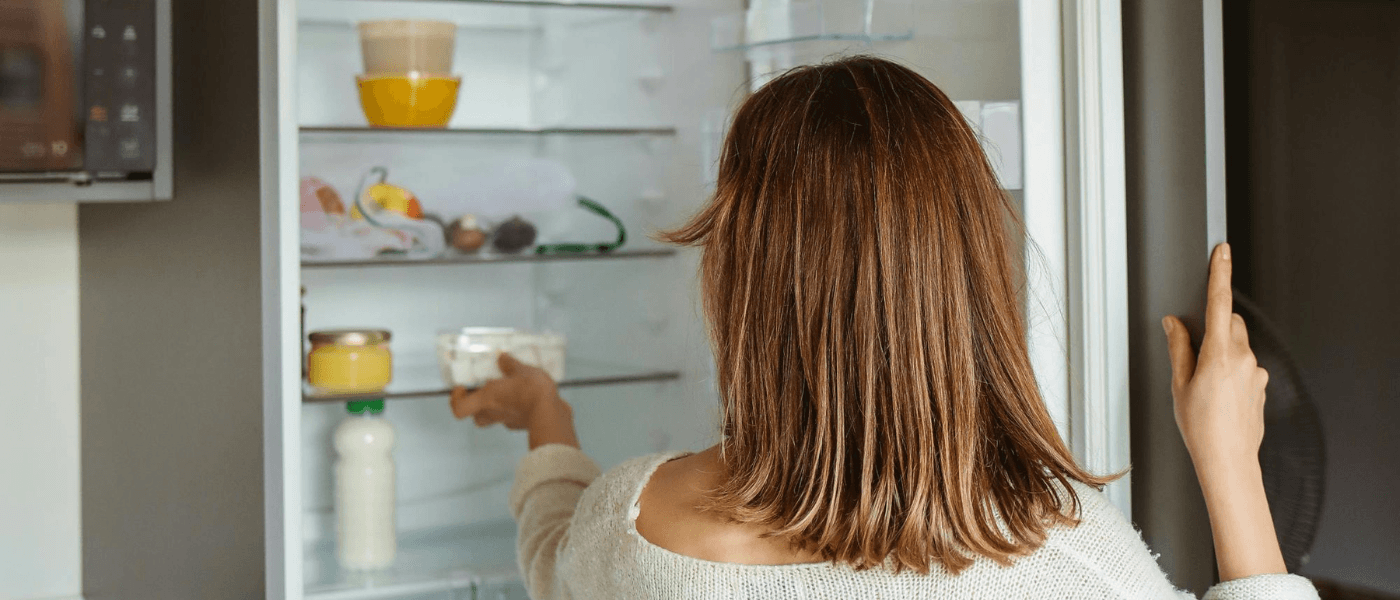
- Storage in Refrigerator Doors: Never store peptide vials in the shelves located on the refrigerator door. Frequent opening and closing of the door cause significant temperature fluctuations that can prematurely degrade the sensitive amino acid chains.
- Inappropriate Freezing of Solutions: Avoid freezing Ipamorelin once it has been Reconstituted with a diluent. The formation of ice crystals during the freezing process can exert mechanical shear stress that physically breaks the delicate peptide bonds.
- Excessive Mechanical Agitation: Refrain from shaking the vial vigorously when mixing or retrieving it from cold storage. High-energy agitation can lead to air-liquid interface denaturation, which renders the resulting solution biologically inactive.
- Inconsistent Temperature Monitoring: Do not rely on the refrigerator's built-in thermostat without secondary verification from a calibrated thermometer. Unnoticed cooling failures or localized "cold spots" can lead to accidental freezing or overheating of the research material.
- Prolonged Room Temperature Exposure: Minimize the total time vials spend outside of the refrigerator during the sampling or administration process. Even brief, repeated exposures to ambient temperatures can cumulatively shorten the overall shelf life of a Reconstituted solution.
- Direct Contact with Cooling Elements: Ensure that vials are not placed directly against the back wall or cooling coils of the refrigerator. Contact with these surfaces can lead to localized freezing, even if the rest of the unit is at the correct temperature.
- Cross-Contamination Risks: Avoid storing research peptides alongside food, beverages, or unsealed biological samples within the same refrigeration unit. Cross-contamination can introduce microbes or enzymes that may degrade the peptide or compromise the sterility of the vial.
Explore Trusted Peptide Products Designed for Research from PeptidesPlease
The success of any laboratory study relies on the quality of the research chemicals used. PeptidesPlease is committed to delivering the highest quality compounds with exceptional customer service that sets the industry standard.
When you explore trusted peptide products designed for research from PeptidesPlease, you are investing in compounds verified through independent third-party laboratory testing. Our high-quality manufacturing standards ensure that your work remains focused on data rather than concerns about product failure, backed by a commitment to integrity and confidence in every shipment.
Frequently Asked Questions
Do you need to refrigerate Ipamorelin?
Yes, refrigeration is crucial for the longevity of the product. While the powder is stable for short durations at room temperature, keeping it refrigerated is the best way to maintain potency for the long term.
What are the risks of taking Ipamorelin from the fridge?
From a research and administration standpoint, there are no risks to the peptide itself when removing it for immediate use. For example, researchers often remove vials briefly to prepare a sample. However, you should avoid leaving the vial out for weeks and always wipe the vial with an antiseptic to ensure no contaminants enter the solution.
How long can Ipamorelin stay unrefrigerated?
In its powder form, it can typically stay unrefrigerated for about a month. This timeline is often similar for other popular compounds like CJC 1295 when handled in similar laboratory environments. While Ipamorelin is for research purposes and not currently for human use under general FDA guidelines, strict storage must be maintained to prevent it from becoming inactive through rapid breakdown once Reconstituted.
How should Ipamorelin be stored once reconstituted?
After adding bacteriostatic water, Ipamorelin liquid must be stored refrigerated at 2–8°C and used within 30–40 days to prevent peptide breakdown.
Summary
Proper storage of Ipamorelin is a non-negotiable aspect of peptide therapy research. To preserve the integrity of the compound, researchers must keep the powder form in a cool, dark environment. Once Reconstituted, refrigeration is mandatory to prevent rapid degradation and maintain the effectiveness of the solution.
By following these storage and handling protocols and sourcing from a reputable provider like PeptidesPlease, you can ensure the success of your research and the stability of your peptide products over an extended period. Please feel free to leave a comment if you have further questions about peptide stability.