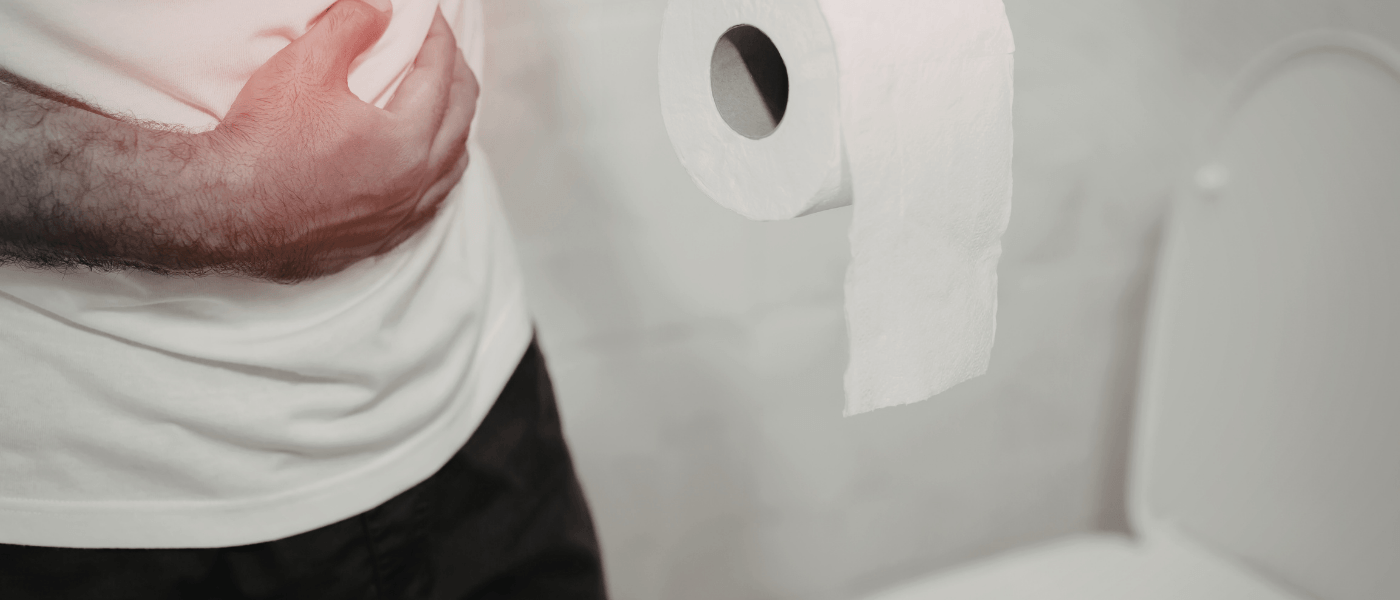
Collagen peptide supplements have surged in popularity for their potential to enhance skin health and support overall wellness through collagen supplementation. Many people incorporate collagen peptides into their routines, taking collagen daily to promote benefits like improved elasticity and hydration in the skin, but questions arise about possible side effects, especially whether consuming collagen peptides can disrupt digestion.
A common concern is whether collagen peptide supplementation can lead to gastrointestinal issues, such as diarrhea, particularly for those with sensitive stomachs or conditions like irritable bowel syndrome. While collagen intake is generally well-tolerated, factors like high doses, inadequate hydration, or individual sensitivities to collagen supplements may contribute to softer stools or diarrhea in some users, prompting caution when starting collagen peptide supplements.
How Do Collagen Peptides Impact the Gastrointestinal Tract?
Collagen peptides support gastrointestinal health by fortifying the gut lining, curbing inflammation, balancing stomach acid, and acting as prebiotics to nurture beneficial gut bacteria. Packed with amino acids like glycine and proline, they help repair the intestinal barrier, ease bloating, and promote smoother digestion.
- Strengthens Gut Integrity: Collagen repairs epithelial cells in the intestinal lining and reinforces tight junctions, helping prevent leaky gut and barrier dysfunction.
- Reduces Inflammation and Ulcers: Glycine and other amino acids suppress harmful gastric secretions, heal the stomach lining, and lower the risk of stress-induced ulcers.
- Improves Digestion and Nutrient Absorption: By regulating gastric acid to avoid hyperacidity (like acid reflux or heartburn), collagen enhances water absorption and overall digestive efficiency.
- Delivers Prebiotic Benefits: These peptides fuel beneficial bacteria such as Lactobacillus, boosting diversity and abundance in the gut microbiota.
- Eases Common Symptoms: Daily intake (e.g., 20g) links to less bloating, better bowel regularity, and reduced digestive discomfort.
Why Can Collagen Peptides Cause Diarrhea?
Collagen peptides are generally well-tolerated but can trigger diarrhea in some cases, often from high doses overwhelming digestion, source sensitivities (bovine/marine), poor product quality with additives, or inadequate hydration. Rapid intake of large amounts of protein may also lead to bloating, upset stomach, and loose stools, especially if you're sensitive or have conditions like IBS.
- Excessive Dosage: Starting with or taking too much collagen (e.g., over 10-20g at once) can overload the gut, as the body struggles to break down the extra protein quickly.
- Source or Additive Sensitivity: Reactions to bovine/marine origins or fillers like artificial sweeteners/flavorings irritate the GI tract; opt for clean, third-party-tested products.
- Incomplete Hydrolysis: Poorly broken-down collagen (larger peptides) resists digestion, lingering in the intestines and drawing water in, which softens stools.
- Individual Factors: Pre-existing issues like IBS, low protein tolerance, or poor diet amplify effects; those with histamine intolerance may react more strongly.
- Hydration Shortfall: Collagen's hydrophilic nature pulls water into the gut—if you're not drinking enough, it can cause loose stools or discomfort.
How is it Possible for Collagen Peptides to Cause Diarrhea?
Collagen peptides, derived from abundant proteins in animal connective tissues, can trigger diarrhea primarily through high dosage, overwhelming the digestive system, or poor product quality from insufficient hydrolysis. Adding collagen peptides too quickly may cause the body to struggle with breakdown, leading to symptoms like bloating, discomfort, and loose stools, especially during initial adjustment phases. Individual sensitivity to additives or histamine in these supplements can further exacerbate digestive issues, while the benefits of collagen—such as enhanced skin elasticity and improved digestive health—often outweigh mild side effects for most users.
Those with pre-existing conditions like chronic kidney disease should consult a doctor before use, as excessive protein intake might strain the kidneys, and allergic reactions could manifest as skin rashes alongside digestive upset from collagen peptides derived from sources. Starting with lower doses, ensuring proper hydration, and selecting high-quality hydrolyzed products minimizes risks, allowing users to enjoy skin and joint benefits without frequent gastrointestinal distress.
Can Collagen Peptides Powder Cause Diarrhea?
Collagen peptide powder can indeed cause diarrhea, along with other gastrointestinal issues like bloating, stomach heaviness, and cramping, though these side effects are typically mild and not universal. While generally safe for most people, symptoms often arise from rapidly introducing the supplement, taking high doses that overwhelm digestion, or individual sensitivities to ingredients such as non-hydrolyzed collagen, additives, or specific protein sources like bovine or marine types. These effects are frequently temporary as the body adjusts, and they can be minimized by starting with a low dose (e.g., 2.5–5 grams daily), mixing it with food, staying hydrated, and choosing high-quality, fully hydrolyzed products.
Do Collagen Peptides Cause Diarrhea and Dehydration?
Collagen peptides can cause diarrhea and dehydration in some cases, though these side effects are relatively rare and typically mild, affecting only a subset of users. The diarrhea often stems from gastrointestinal distress like bloating, constipation, or stomach heaviness as the body adjusts to digesting the supplemental protein, especially if introduced rapidly or in high doses exceeding 10-15 grams daily. Dehydration may follow as a secondary effect of loose stools, compounded by inadequate fluid intake during supplementation, but this can be mitigated by starting with lower doses (e.g., 2.5-5 grams), mixing into meals, and ensuring ample hydration. Most people tolerate hydrolyzed collagen peptides well without long-term issues once acclimated.
How to Avoid Getting Diarrhea When Taking Collagen Peptides?
Collagen peptides are a popular supplement for skin, joints, and gut health, but they can sometimes cause diarrhea in sensitive users. The good news? Simple tweaks to your routine can prevent this. Start with these evidence-based tips to ease digestion.
- Start Slow and Gradually Increase: Begin with a low dose like 2.5g–5g daily (less than the full recommended amount) to let your gut adjust, then ramp up over a week or two.
- Take with or After a Meal: Skip the empty-stomach routine—pairing collagen peptides with food slows absorption and cuts digestive upset dramatically.
- Opt for High-Quality Hydrolyzed Collagen: Choose peptides fully broken down to a low molecular weight (under 3,000 Da) from reputable, third-party tested brands to minimize bloating or loose stools.
- Split High Doses: If you're aiming for 10g+, divide into 2–3 smaller servings throughout the day for steadier digestion.
- Stay Well-Hydrated: Drink plenty of water (aim for 8+ glasses daily) to support breakdown and prevent constipation or diarrhea.
- Check for Allergens and Contaminants: Marine collagen from fish/shellfish can trigger issues—pick grass-fed bovine or verified sources if allergies are a concern.
When to Seek Medical Help
Collagen peptides are typically safe and well-tolerated, but like any supplement, they can trigger side effects or interact with health conditions. Stop use and seek help if you notice allergic reactions, ongoing digestive problems, or odd skin changes. Here's a breakdown of key red flags.
Seek Emergency Care Immediately
These symptoms signal a potentially serious reaction—call emergency services or go to the ER right away:
- Allergic reaction signs: Hives, intense itching, rashes, blistering or peeling skin, swelling in the face/lips/tongue/throat, or trouble breathing.
- Severe gut distress: Non-stop diarrhea, sharp abdominal pain, or vomiting that prevents keeping food/water down.
- Sudden severe symptoms: Intense headaches, dizziness, or lightheadedness.
Consult a Doctor Sooner Rather Than Later
Schedule a check-in if these persist or you're in a higher-risk group—don't wait if they worsen:
- Pre-existing conditions: Kidney or liver disease, where extra protein from collagen might need monitoring.
- Medication interactions: Blood thinners like Warfarin, as collagen could affect clotting.
- Pregnancy or breastfeeding: Limited data means it's best to get personalized advice.
- Skin or mood shifts: New acne, rashes, or changes in mood/sleep that started after supplementing.
- Lingering digestive issues: Ongoing heartburn, bloating, or feeling overly full.
Find Reliable Peptide Products for Research at PeptidesPlease
Are you worried collagen peptides might trigger diarrhea? Discover premium, research-grade collagen peptides at PeptidesPlease that minimize digestive upset with ultra-pure, third-party tested formulas designed for flawless absorption—no bloating, no regrets! Backed by science showing low side effect rates when sourced right, our high-quality peptides deliver skin-glowing, joint-supporting benefits without the gut drama, perfect for your wellness routine or content creation. Stock up now at PeptidesPlease and elevate your research with confidence—order today and feel the difference!
Frequently Asked Questions
Can collagen peptides give you diarrhea?
Collagen peptides can cause diarrhea in some people, especially if not properly hydrolyzed, taken in high doses, or if you have a sensitive gut or allergies to source proteins. This happens because the body may struggle to break down the protein load, leading to digestive upset like loose stools.
Should I stop taking collagen if it gives me diarrhea?
Yes, stop taking it immediately if diarrhea persists, as it signals poor tolerance—try switching to a hydrolyzed form, lower dose, or taking it with food first, but consult a doctor for underlying issues.
Does collagen affect your bowels?
Collagen often supports bowel health by repairing the gut lining, balancing the microbiome, and improving regularity, though it may initially cause softer stools, diarrhea, or constipation during adjustment.
Can collagen powder affect your bowels?
Yes, collagen powder can influence bowels positively (better motility via glycine and hydration) or negatively (diarrhea from excess protein or poor absorption), with effects varying by individual and product quality.
Summary
Collagen peptides can occasionally lead to diarrhea, particularly in sensitive individuals or when introduced abruptly in high doses, as the concentrated protein may overwhelm the digestive system before it adapts. This side effect stems from factors like poor solubility in cold liquids, causing gut irritation, inadequate hydration exacerbating loose stools, or pre-existing conditions such as IBS amplifying fermentation in the microbiome. While not common across all users, those new to supplementation or consuming over 15g daily without gradual buildup face higher risks, often mistaking peptide intolerance for broader protein overload.
To safely enjoy collagen's benefits for skin elasticity, joint health, and muscle recovery, start with a low 2.5-5g dose mixed into warm foods or drinks for better dissolution, while maintaining at least 2L of daily water intake. Opt for unflavored, hydrolyzed varieties from third-party tested sources to avoid additives, and gradually increase intake over weeks, allowing your gut to adjust without discomfort.