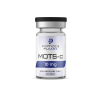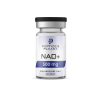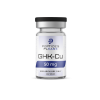
Peptides offer potential health benefits as short chains of amino acids that support various bodily functions. Are peptides good for you? Research suggests that some peptides may support skin health and hydration, contribute to muscle recovery, and play a role in injury repair, although the evidence is still developing. Other potential benefits, including effects on weight management, immune function, and brain health, are currently being studied and have yet to be fully established in human research
Peptides combined with other nutrients can aid joint health, muscle strength, and reduce age-related decline, though evidence varies by individual and dosage. Peptide supplementation shows promise for overall vitality, but results depend on consistent use and pairing with a balanced diet rich in amino acids.
Why Are Peptides Good for You
Peptides are short chains of amino acids that play a vital role in numerous biological processes. They are highly specific, safe, and effective compounds used to support overall wellness and enhance body performance. Their benefits range from improved muscle recovery to better skin health and immune function.
- Skin Health and Anti-Aging: Peptides boost collagen and elastin production, resulting in firmer, more hydrated, and youthful-looking skin. They help reduce the appearance of wrinkles, promote skin elasticity, and strengthen the skin’s natural barrier.
- Muscle Growth and Repair: By enhancing protein synthesis and stimulating human growth hormone (HGH) release, peptides support faster muscle recovery, reduce soreness, and promote lean muscle development.
- Weight Loss and Metabolism: Certain peptides activate fat metabolism, aiding in weight loss and improving metabolic efficiency for better energy utilization.
- Injury Healing and Joint Health: Thanks to their anti-inflammatory effects, peptides accelerate tissue repair, alleviate joint pain, and enhance overall mobility, making them beneficial for injury recovery and joint maintenance.
- Immune System Support: Some peptides exhibit antimicrobial and immune-regulating properties that help the body fight infections and strengthen immune defenses.
- Cognitive Function: Peptide therapy can enhance mental performance by improving memory, focus, and cognitive clarity.
Peptides For Muscle Growth And Recovery
Peptides are short chains of amino acids that play a vital role in enhancing muscle growth, accelerating recovery, and boosting naturally occurring hormones such as human growth hormone (HGH) and insulin-like growth factor (IGF-1). They serve as powerful tools for optimizing body composition, supporting both performance and healing.
Top Peptides for Muscle Growth
- CJC-1295 + Ipamorelin – Commonly used together, this combination stimulates natural growth hormone release, promoting lean muscle development and accelerated fat loss.
- IGF-1 LR3 – A long-acting insulin-like growth factor variant that directly triggers muscle fiber growth and protein synthesis.
- MK-677 (Ibutamoren) – An oral compound that mimics the body’s own growth hormone production to enhance muscle mass, strength, and recovery.
- Tesamorelin – A growth hormone–releasing hormone (GHRH) analog that raises IGF-1 levels, helping to build lean muscle while reducing stubborn fat deposits.
Top Peptides for Recovery
- BPC-157 – Nicknamed the “body protection compound,” this peptide accelerates the healing of soft tissues, tendons, ligaments, and muscles.
- TB-500 (Thymosin Beta-4) – Facilitates rapid tissue repair, reduces inflammation, and improves flexibility during recovery.
- Collagen Peptides – Support joint and muscle repair by reducing soreness and reinforcing connective tissue after intense workouts.
Peptides For Skin Health And Anti-Aging
Peptides are short chains of amino acids that act as signaling molecules, communicating with skin cells to produce more collagen and elastin. This process helps improve firmness, reduce fine lines and wrinkles, and strengthen the skin’s natural barrier. In skincare, peptides are commonly categorized into signal peptides, carrier peptides, and neurotransmitter inhibitors, each offering unique anti-aging benefits when used in serums, creams, and treatments.
- Copper Peptides (GHK-Cu) – Promote skin regeneration, boost collagen and elastin production, and deliver strong antioxidant protection.
- Palmitoyl Pentapeptide-4 (Matrixyl) – A potent signal peptide that stimulates collagen synthesis, improving skin smoothness and reducing the appearance of wrinkles.
- Acetyl Hexapeptide-8 (Argireline) – Functions similarly to Botox by relaxing facial muscle contractions, helping to minimize expression lines.
- Palmitoyl Tripeptide-5 – Encourages collagen production and helps the skin appear firmer, plumper, and more youthful.
Peptides For Joint And Bone Health
Peptides, support bone and joint health by stimulating collagen production, promoting osteoblast activity for bone formation, and aiding tissue repair. They help manage conditions like osteoarthritis and osteoporosis by reducing inflammation and improving bone density. Delivery methods include oral supplements, topical creams, or therapeutic injections.
- Collagen Peptides (Type I & II) – Hydrolyzed proteins that boost natural collagen synthesis in cartilage, tendons, and bones; studies show benefits for osteoarthritis pain relief and bone mineral density.
- Growth Hormone-Releasing Peptides (GHRPs) – Such as Ipamorelin or CJC-1295, these stimulate pituitary gland activity to elevate growth hormone levels, supporting bone repair and density.
- BPC-157 (Body Protection Compound) – Accelerates healing in tendons, ligaments, and joints, with human trials indicating reduced inflammation and enhanced collagen synthesis.
- TB-500 – A synthetic version of Thymosin Beta-4 that promotes tissue regeneration, flexibility, and recovery from ligament and joint injuries.
- B2A Peptide – Enhances cartilage repair and chondrogenic differentiation in stem cells, showing promise in osteoarthritis models for reducing joint damage.
Peptides For Gut Health
Peptides play a key role in gut health by providing antimicrobial action, reinforcing the intestinal barrier, curbing inflammation, modulating microbiota as prebiotics, and balancing gut hormones and motility. Sources like collagen hydrolysates and therapeutic peptides help repair the gut lining, promote beneficial bacteria growth, inhibit pathogens, and address issues like gastritis, IBD, IBS, and leaky gut.
- BPC-157 (Body Protection Compound-157) – A naturally derived gastric peptide that protects and regenerates the gut mucosa, reduces inflammation, and heals ulcers or damage from NSAIDs, stress, or IBD; preclinical studies highlight its role in barrier restoration and motility.
- Collagen Peptides – Act as prebiotics by fueling beneficial bacteria (e.g., Lactobacillus, Bacteroides), producing short-chain fatty acids (SCFAs), and supporting microbiota diversity for improved barrier function and reduced inflammation.
- Probiotic-Derived Peptides – From strains like Lactobacillus and Bifidobacterium, these enhance immunity, maintain tight junctions in the gut barrier, and reduce inflammatory responses via metabolites like polyphosphates.
- Bioactive Peptides (e.g., from soy or dairy) – Reshape microbiota by boosting symbiotic bacteria, suppressing pathogens, and protecting intestinal structure against toxins or inflammation.
Peptides For Immune Support
Peptides are short amino acid chains that modulate and strengthen the immune system, helping combat infections, lower inflammation, and promote cellular repair. Well-researched options like Thymosin Alpha-1, Thymosin Beta-4, and LL-37 are often delivered via subcutaneous injections to activate T-cells, balance responses, and provide antimicrobial defense.
- Thymosin Alpha-1 (TA-1) – Thymus-derived peptide that enhances T-cell production and function, restoring immunity in infections, cancer, or conditions like COVID-19 by normalizing lymphocyte counts and cytokine balance.
- Thymosin Beta-4 (TB-4) – Supports tissue repair while modulating inflammation, aiding recovery from injuries, autoimmune issues, and immune dysregulation through actin regulation and reduced inflammatory cell activation.
- LL-37 – A human antimicrobial peptide (AMP) that directly kills bacteria, viruses, and fungi by disrupting membranes, while activating dendritic cells and neutrophils for broader innate immunity.
- GHK-Cu (Copper Peptide) – Promotes regeneration, antioxidant protection, and immune resilience by supporting enzyme activity, reducing oxidative stress, and enhancing tissue repair.
- Sermorelin – A growth hormone-releasing peptide that counters immunosuppression (e.g., from chemotherapy), boosts immune cell differentiation, and elevates GH for overall function.
Peptides For Metabolism And Fat Loss
Peptides such as semaglutide (Wegovy), tirzepatide (Zepbound), and AOD-9604 are short chains of amino acids that play an important role in regulating appetite, metabolism, and fat oxidation. These compounds, typically prescribed under medical supervision, mimic natural hormones in the body to increase feelings of fullness, reduce calorie intake, and promote fat burning. Certain peptides may also help preserve lean muscle mass during weight loss.
- GLP-1 Receptor Agonists – Semaglutide (Wegovy) and liraglutide (Saxenda) work by increasing satiety and suppressing hunger, leading to lower food intake and improved weight management.
- Dual Action Agonists – Tirzepatide (Zepbound) acts on both GLP-1 and GIP receptors, enhancing appetite control and glucose regulation for strong overall efficacy.
- Fat-Burning and Metabolic Peptides – AOD-9604 is a modified fragment of growth hormone that promotes fat breakdown (lipolysis) without raising blood sugar levels.
- Growth Hormone Secretagogues – CJC-1295, Ipamorelin, and Tesamorelin boost natural growth hormone release, improving metabolism, reducing visceral fat, and supporting lean body composition.
- Other Emerging Peptides – MOTS-c enhances metabolic flexibility, while Tesofensine may support appetite regulation and energy expenditure.
Peptides For Brain Function And Focus
Peptides for cognitive enhancement are short chains of amino acids that function as signaling molecules. They support brain health by promoting neuroprotection, neurotransmitter balance, neurogenesis, and reduced inflammation, often crossing the blood-brain barrier effectively. These compounds show promise for improving focus, memory, and mental clarity, though most require medical oversight due to limited regulatory approval.
- Semax boosts focus, memory, and alertness by upregulating brain-derived neurotrophic factor (BDNF), enhancing neuroplasticity, and modulating dopamine/serotonin for better motivation.
- Selank reduces anxiety and stress as a nootropic, improving focus via GABA receptor modulation, BDNF elevation, and balanced monoamine neurotransmitters without sedation.
- Dihexa acts as a potent cognitive repair agent, stimulating neurogenesis at rates exceeding BDNF levels to enhance memory, learning, neural connectivity, and protection against degeneration.
- Pinealon supports neuron health and mental clarity by protecting against oxidative stress/hypoxia, improving memory/learning, and regulating circadian rhythms for better sleep and cognition.
- Cerebrolysin aids neuroplasticity and brain repair post-injury, upregulating BDNF and neuregulin-1 to foster neuron survival and recovery from damage like stroke.
- GHK-Cu provides neuroprotection through antioxidant activity, reduced oxidative stress, and enhanced growth factors that promote neuron regeneration and anti-inflammatory effects.
- NAD+ enhances mitochondrial energy in brain cells, improving clarity and reducing fatigue via Sirt1/PGC-1α activation, which curbs neuroinflammation and ROS damage.
Peptides For Sleep And Recovery
Peptides like Delta Sleep-Inducing Peptide (DSIP), Epitalon, and Ipamorelin improve sleep quality by promoting deep slow-wave sleep, regulating circadian rhythms, and boosting growth hormone without morning grogginess. They also aid recovery through tissue repair, reduced inflammation, and stress relief, often administered via subcutaneous injections under medical guidance.
- DSIP induces delta (slow-wave) sleep, reduces nighttime awakenings, and supports recovery by enhancing hormonal balance and stress regulation.
- Epitalon stimulates melatonin production to normalize sleep-wake cycles, especially for age-related insomnia or disrupted rhythms.
- Ipamorelin/Sermorelin/CJC-1295 act as growth hormone secretagogues, increasing GH release during deep sleep for better tissue repair, immune function, and recovery.
- BPC-157 accelerates the healing of injuries and reduces pain/inflammation, indirectly improving sleep by enabling deeper rest and nervous system calm.
- Selank lowers anxiety and stress to combat insomnia, enhancing sleep quality via neurotransmitter balance, like GABA and serotonin.
Peptides For Hormone Regulation
Peptides serve as precise signaling molecules that stimulate or mimic hormones to correct imbalances in growth hormone, insulin, metabolism, and reproductive systems. Options like CJC-1295, Ipamorelin, Sermorelin, BPC-157, and Semaglutide promote natural hormone production, yielding benefits such as better sleep, energy, muscle growth, fat loss, and libido.
- Growth Hormone Releasing Peptides (GHRPs) – CJC-1295, Ipamorelin, and Sermorelin activate the pituitary to boost natural HGH, aiding fat reduction, muscle recovery, anti-aging, and sleep quality.
- Weight Management Peptides – Semaglutide mimics GLP-1 for insulin regulation and metabolic control, while Tesamorelin targets visceral fat via GH pathways.
- Healing and Repair Peptides – BPC-157 enhances tissue repair and growth hormone receptor expression without disrupting endocrine balance, supporting recovery.
- Reproductive Health Peptides – Kisspeptin upstream-regulates GnRH to stimulate LH/FSH pulses, aiding puberty, fertility, and sex hormone control.
Are Peptides Safe To Use
Peptides can be safe when used correctly, but their safety depends on factors such as the type, source, and method of use. Medically supervised and FDA-approved peptide therapies are generally considered safe for most healthy individuals, while unregulated supplements or “research” peptides pose serious risks, including contamination, inaccurate dosing, and unknown long-term effects that can harm major organs. Although some peptides, like insulin, are essential for health, others remain experimental and should only be used under a doctor’s supervision, since improper use can disrupt hormones and potentially lead to conditions such as cancer or organ damage.
Are Peptides Good for You in the Long Term?
Peptides can provide benefits for specific short-term goals when used under medical supervision, but their long-term safety remains largely unknown, with potential risks including hormonal imbalances, immune reactions, and—for certain types—elevated growth hormone levels that may promote cancer cell growth. Collagen-related peptides, in particular, show evidence of sustained skin benefits like improved hydration, elasticity, and dermal density. However, many performance-enhancing peptides lack FDA approval and carry significant risks such as heart strain, organ damage, and infections from contaminated sources.
Are What Peptides Can’t Do
Peptides enhance skincare but have clear limitations and cannot serve as standalone solutions. They require complementary routines and caution due to compatibility issues and incomplete long-term data.
- Core Limitations: Peptides act as collagen boosters but cannot replace essentials like daily sunscreen, which prevents UV degradation of skin proteins. They also fail to instantly fix deep wrinkles, unlike fillers or lasers that provide immediate structural support.
- Ingredient Conflicts: Certain peptides destabilize or lose efficacy when mixed with acidic actives like AHAs, glycolic acid, or low-pH vitamin C (e.g., L-ascorbic acid), due to pH imbalances and redox reactions. Copper peptides, in particular, risk irritation or reduced benefits with these.
- Health and Safety Restrictions: Avoid peptides in cases of active cancer, autoimmune diseases, kidney/heart issues, or pregnancy, as they may trigger immune responses, inflammation, or unknown interactions. Overuse can cause “peptide uglies” like redness, dryness, or breakouts.
- Realistic Expectations: Peptides demand months of consistent use for subtle firmness gains and lack full FDA regulation or long-term safety studies for many synthetics. They won’t solo repair severe damage like extreme sagging or sun scarring.
Research on Peptides and Their Potential Benefits
Peptides, short amino acid chains (2–50 units), excel as targeted signaling molecules for precise biological regulation with strong safety profiles. Research highlights their roles in anti-aging, metabolism, muscle repair, immunity, antimicrobials, and bone health via collagen stimulation and hormone modulation.
- Anti-Aging and Skin Health: Collagen peptides boost dermal synthesis to improve elasticity, reduce wrinkles, and enhance tone by signaling fibroblasts.
- Metabolic Health and Obesity: GLP-1 agonists like semaglutide curb appetite, boost energy use, and manage lipids/glucose for diabetes/obesity treatment.
- Muscle Growth and Repair: Growth hormone secretagogues promote hypertrophy and tissue healing, amplifying resistance training gains.
- Immune System Support: Thymosin Alpha-1 (TA1) enhances T-cell maturation, curbs inflammation, and fights infections, aiding age-related immunosenescence.
- Antimicrobial and Therapeutic Agents: These disrupt pathogen membranes or target cancer cells selectively while acting as antioxidants/anti-inflammatories.
- Bone Health: Collagen-derived peptides elevate mineral density, countering osteoporosis via osteoblast activation.
Find Reliable Peptide Products for Research at PeptidesPlease
Find reliable peptide products for research on our website and discover how peptides can support overall wellness. Studies show that specific bioactive peptides and specific peptides help promote healthier skin, hair, and nails by improving skin moisture and elasticity. When taken as oral supplements, these proteins may help restore the body, supporting tissue strength and youthful appearance. Explore our range of peptide products and experience the science-backed benefits for yourself.
Frequently Asked Questions
Are there benefits to taking peptides?
Peptide supplements, including collagen types, offer anti-inflammatory effects, antioxidant protection, muscle growth support, weight management aid, and improvements in skin, joints, and overall wellness.
Are peptides worth taking?
The answer can vary depending on your goals. Some peptides show promise for supporting skin health, muscle recovery, and injury repair, though much of the research is still developing, particularly in human studies.
What does the Mayo Clinic say about taking collagen peptides?
The Mayo Clinic states that collagen supplements are broken down into amino acids in the gut, and it’s unclear if the body reassembles them specifically for skin, hair, nails, or joints as advertised, due to limited large-scale evidence supporting routine use. They note no strong evidence for over-the-counter collagen helping with anti-aging.
What are the benefits of collagen peptides?
Benefits include improved skin firmness and hydration, reduced joint pain, better bone health, stronger nails and hair, and support for muscle recovery, especially with 5-15g daily alongside exercise.
What are the benefits of taking bovine collagen peptides?
They enhance skin hydration and reduce wrinkles, boost joint flexibility and bone density, promote hair/nail growth, aid tissue repair, and support gut health through key amino acids like glycine and proline.
What are the benefits of now collagen peptides?
NOW Collagen Peptides promote skin smoothness and hydration, support joint flexibility and bone strength, enhance hair/nail growth, and aid workout recovery, as reported in user reviews and product details.
Are injectable peptides good for You
Injectable peptides provide rapid joint pain relief, inflammation reduction, faster tissue repair, and targeted recovery for muscles/tendons, outperforming orals in speed for acute issues.
Summary
Collagen peptides are widely recognized as beneficial for overall skin health, particularly in addressing skin aging concerns such as fine lines and skin wrinkles. Research shows that taking collagen supplements, which are dietary supplements derived from food-derived bioactive peptides, can contribute to improved skin elasticity and hydration by supporting the body’s natural collagen synthesis. While topical products and collagen injections provide more immediate cosmetic effects, oral collagen peptides work from within to promote long-term structural benefits. Overall, collagen supplementation—when combined with a balanced diet and healthy lifestyle—can be an effective way to slow visible signs of aging and maintain youthful, resilient skin.