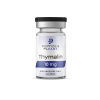
People like simple answers. Take this at this time, get that result. Tesofensine does not quite play that game. Timing matters, but discipline matters more. If someone is considering tesofensine, they usually want to support weight management research, metabolic studies, or appetite regulation analysis. The question becomes less about convenience and more about strategy.
When discussing when to take tesofensine, the real conversation centers around consistency, biological rhythms, and how the compound interacts with appetite signaling pathways. Tesofensine influences neurotransmitters tied to hunger behavior, which means timing can shape how those effects are observed in research settings.
Tesofensine: When to Take for Optimal Results
If someone is researching tesofensine as a weight loss medication, timing is not some minor detail. Timing is part of the structure that determines how results are interpreted, especially when discussions come out of clinical trials.
Tesofensine first gained attention during phase II clinical trials where researchers were not just looking for random weight loss, they were tracking dose dependent weight loss patterns connected to appetite signaling and metabolic response. That distinction matters. Anyone can lose a few pounds under unusual conditions. Researchers want to know if weight loss achieved follows predictable biological patterns.
What made those studies interesting was how tesofensine appeared to suppress appetite while also influencing energy expenditure. That combination changes how researchers think about obesity treatment because it looks at both sides of the equation. Less food intake on one side, metabolic output on the other.
Timing tesofensine in research conditions often connects to when the body naturally regulates:
- Food intake patterns throughout the day
- Resting energy expenditure during inactive hours
- Blood pressure fluctuations tied to stimulant responses
- Insulin sensitivity cycles connected to feeding windows
- Fat oxidation periods during metabolic activity
Some clinical discussions also evaluated whether a starting dose could influence early adaptation responses. Not surprisingly, findings suggested a dose dependent pattern in both appetite response and body weight changes. Researchers also kept an eye on blood pressure because any compound affecting neurotransmitters invites cardiovascular questions.
Optimal timing really comes down to structured observation. Researchers want stable conditions so they can observe weight reduction trends without guessing what variable caused what result.
Find Reliable Peptide Products for Research at PeptidesPlease
Tesofensine research tied to body fat changes, fat mass measurements, and increased energy expenditure only matters if the compound quality is consistent. That is why serious researchers tend to stay very selective about sourcing.
A lot of people want to jump straight to outcomes like significant weight loss or improved metabolic indicators. Fewer want to talk about the boring part like documentation. But documentation is where credibility lives.
PeptidesPlease operates in that space by focusing on research compounds intended for laboratory settings. That matters because studies involving weight reduction observations, insulin sensitivity measurements, or cardiovascular outcomes depend heavily on compound reliability.
How Timing Affects Tesofensine Effectiveness
People tend to assume tesofensine works like a switch. Take it whenever and something happens. Biology is not that cooperative.
Timing influences how tesofensine interacts with appetite signals, metabolic rhythm, and increased energy expenditure. When researchers looked at dose dependent responses, they often found that administration timing shaped how strongly tesofensine could suppress appetite and influence energy expenditure observations.
Some studies suggested a significant increase in metabolic markers when timing aligned with active metabolic hours. Researchers also looked at how fat oxidation responded during these windows, particularly when food intake was monitored carefully.
That matters because tesofensine research sometimes tracks:
- Changes in body weight over structured observation periods
- Shifts in energy expenditure tied to metabolic cycles
- Blood pressure response during active hours
- Patterns of fat oxidation after administration
- Whether increased energy expenditure remained consistent
There were also discussions about most common adverse events in research environments. Some included mild cardiovascular observations, which is why blood pressure monitoring remained part of structured tesofensine research.
What Time of Day to Take Tesofensine?
Morning administration comes up often in tesofensine discussions and there is a practical reason for that. Researchers want to observe how tesofensine affects food intake and appetite behavior across normal waking hours.
During clinical trials, earlier administration often allowed clearer tracking of how subjects responded to appetite changes and energy expenditure patterns. That is especially useful when studying dose dependent weight loss because the observation window becomes easier to control.
There is also the practical matter of blood pressure tracking. Since tesofensine interacts with neurotransmitters, researchers often prefer earlier timing to monitor any cardiovascular response during active monitoring periods rather than during sleep cycles.
Another factor involves highest dose groups in research settings. Those groups often required tighter observation windows because stronger appetite suppression or metabolic changes could appear. Researchers wanted those observations happening while monitoring teams were active.
Morning timing also helps clarify whether significant weight loss trends are tied to reduced food intake or shifts in resting energy expenditure. Without that structure, interpretation becomes guesswork.
Taking Tesofensine in the Morning vs Evening
If a compound may influence alertness, taking it late and then wondering why sleep patterns change is not exactly a mystery.
Morning use in research settings often allowed observation of:
- Food intake reduction patterns across daytime hours
- Dose dependent manner responses between groups
- Blood pressure stability during activity
- Energy expenditure changes tied to movement
- Insulin sensitivity shifts after meals
Evening timing sometimes complicated these observations. Some researchers noted that late administration could blur whether metabolic changes came from the compound or from disrupted rest patterns.
Best Time to Take Tesofensine for Consistency
Consistency tends to sound boring until someone realizes how many research errors come from inconsistency.
Tesofensine studies that reported significant weight loss or measurable weight reduction usually followed fixed administration schedules. Same time, same observation windows, same monitoring conditions. That is how patterns become visible.
Consistency also helps researchers understand whether weight loss achieved connects to appetite suppression, increased energy expenditure, or gradual body fat changes. Without that structure, those variables blur together.
In short, there arguably is no set best time to take Tesofensine. What matters more is the consistency of keeping whichever time allotment you decide to go with. If tesofensine research teaches anything, it is that structure usually beats enthusiasm. Routine may not sound exciting, but it is usually where meaningful data lives.
Should You Take Tesofensine After Meal Time?
This is one of those questions that sounds simple until you actually look at how tesofensine works. People assume timing around meals is just about comfort. In research settings, it is usually about observing how tesofensine treatment affects hunger signaling and metabolic response without interference.
Tesofensine was originally developed for neurological research before its metabolic effects attracted attention. Its mechanism as a triple monoamine reuptake inhibitor means it influences dopamine, serotonin, and norepinephrine activity. That alone explains why researchers often separate administration timing from meals. They want to see how it changes food motivation rather than just digestion patterns.
Because it functions as a monoamine reuptake inhibitor, appetite suppression can appear regardless of whether food was recently consumed. Some research discussions suggest that taking tesofensine before meals allows clearer observation of reduced food interest. Taking it after meals may blur whether reduced intake comes from satiety or the compound itself.
Researchers also pay attention to potential side effects connected to meal timing, such as:
- Dry mouth reported during tesofensine use
- Mild adverse effects related to appetite suppression
- Occasional increased heart rate during early observation phases
- Elevated heart rate in sensitive research subjects
- Monitoring safety profile during metabolic studies
This is why careful monitoring becomes part of structured tesofensine treatment discussions. It is not just about whether patients lost weight. It is about understanding how body composition changes and whether beneficial effects remain predictable across observation periods.
What Time of Day to Take Tesofensine Based on Lifestyle
Not everyone operates on the same schedule. Some people wake up at five in the morning ready to conquer the world. Others need two coffees just to locate their personality.
In research discussions, timing tesofensine often considers lifestyle structure because its stimulant properties can influence alertness. That makes morning timing a logical default in many tesofensine treatment observations.
Because tesofensine represents a reuptake inhibitor affecting multiple neurotransmitters, researchers want administration to match active hours when metabolic and behavioral tracking makes sense.
Lifestyle factors researchers may consider include:
- Work schedules affecting monitoring consistency
- Sleep timing due to the long half life
- Meal timing when studying body composition changes
- Activity levels when evaluating greater weight loss patterns
- Daily structure affecting adherence in phase III trial simulations
Tesofensine compared to placebo group results in earlier trials often showed significantly greater weight loss under structured schedules. That does not mean timing alone caused outcomes, but it does reinforce how routine affects interpretation.
Even small habits matter. Something as basic as whether someone remembers to press enter on their daily research log at the same time can influence how clean the data looks. Yes, even that level of detail gets attention in serious studies.
Factors That Affect When to Take Tesofensine
People love to reduce complex compounds into simple instructions. Take this at this hour. Done. Unfortunately, tesofensine does not cooperate with that kind of thinking.
Several biological and research design factors influence timing decisions:
- The long half life allowing stable blood concentration levels
- Starting observations at 0.25 mg in some study discussions
- Monitoring adverse effects across fixed observation windows
- Tracking dry mouth reports as one of the potential side effects
- Evaluating safety profile before regulatory approval discussions
Researchers also track whether greater weight loss appears in higher exposure groups and whether that weight change is placebo subtracted when compared to placebo group outcomes. That placebo subtracted analysis helps determine if results actually come from the compound or from behavioral changes.
Safety discussions also consider long term safety observations, especially since tesofensine is still discussed in relation to future regulatory approval pathways rather than widespread use among approved medications.
How to Optimise the Timing of Taking Tesofensine for Best Results
Optimisation sounds like a buzzword people throw around when they want to sound scientific. In actual research, it usually just means removing unnecessary chaos.
Tesofensine use tends to follow structured timing because its reuptake inhibitor mechanism produces effects that last beyond a single day due to its long half life. That allows researchers to focus less on hourly timing and more on daily consistency.
Researchers also want to see whether beneficial effects such as improved metabolic indicators remain stable over time or whether tolerance patterns appear. That is where consistency shows its value again.
Explore Trusted Peptide Products Designed for Research from PeptidesPlease
Everyone wants to talk about outcomes like greater weight loss or improved body composition. Few want to talk about supply chain credibility. Tesofensine represents one of those compounds sitting right in that interesting space. Promising data, ongoing evaluation, and the kind of scientific curiosity that keeps researchers paying attention. And if someone is going to study it seriously, they usually understand that where they source it matters just as much as how they time it.
PeptidesPlease operates as a research supplier providing peptides as a compound originally developed for scientific investigation. That distinction matters because tesofensine still sits outside full regulatory approval as a mainstream treatment and remains part of ongoing research discussions.
Frequently Asked Questions
When do I take tesofensine?
Most research discussions place tesofensine earlier in the day so appetite response, energy levels, and behavioral changes can be observed during normal waking hours. Consistency usually matters more than the exact hour.
What is the best time of day to take tesofensine?
Morning timing is often referenced in research because tesofensine can influence alertness and appetite signals. Earlier timing also allows better monitoring of metabolic responses throughout the day.
Should Tesofensine be taken in the morning or evening?
Morning use is generally preferred in study settings. Evening timing may interfere with sleep observations due to its long half life and neurological activity. Researchers usually avoid unnecessary variables when possible.
Does timing affect Tesofensine results?
Yes. Structured timing helps researchers evaluate appetite suppression, body weight trends, and metabolic changes more clearly. Random timing tends to produce messy data and unclear conclusions.
Is there a recommended schedule for Tesofensine doses?
Research protocols often rely on fixed daily schedules rather than flexible timing. The idea is simple. Same time, same conditions, fewer surprises in the data.
Does Tesofensine timing affect side effects?
Timing can influence how potential side effects like dry mouth or mild increases in heart rate are observed. Earlier administration allows these responses to be monitored during active hours instead of overnight.
Can Tesofensine be taken at night safely?
Night use is usually avoided in research because tesofensine may affect alertness. Most structured studies prefer daytime administration to reduce sleep disruption variables and keep monitoring practical.
What is the best time of day to administer Tesofensine?
Tesofensine should be taken early in the morning with water, as its mild stimulant effect on norepinephrine and dopamine can cause insomnia if taken late.
Summary
Timing tesofensine in research settings usually comes down to structure, observation windows, and consistency. Morning administration often allows clearer behavioral tracking, while fixed schedules tend to produce more usable research patterns than irregular timing.
Just as important as timing is sourcing. Research compounds should come from suppliers that take documentation and handling seriously. PeptidesPlease provides peptide compounds intended strictly for laboratory research use, with an emphasis on research standards and product transparency.
If someone is serious about tesofensine research, the formula is simple. Use structured timing. Maintain consistency. Source from suppliers like PeptidesPlease that understand what legitimate research actually requires.