You might be wondering, what peptides should I take to support my health, fitness, or weight-loss goals. Peptides are short chains of amino acids that act like tiny messengers in the body, influencing everything from growth hormone release to fat metabolism and blood sugar regulation. Modern peptide therapy often uses synthetic peptides designed to mimic or enhance natural signals, offering targeted support for energy, recovery, and body composition. Because they can directly interact with hormone systems, peptides must be chosen and used carefully, ideally under professional guidance.
When people explore peptides for weight loss, they often look at options that can influence human growth hormone and growth hormone-releasing hormone activity. By modulating these pathways, certain peptides may help improve fat metabolism, preserve lean muscle, and support more stable blood sugar levels. However, not all peptides work the same way, and what works for one person may not be right for another. Understanding how different synthetic peptides interact with human growth hormone and other systems is a key step before deciding which peptides to take for safe and effective results.
What Kind of Peptides Should I Take?
The best peptide for you depends on specific health goals like weight loss or recovery, but many lack full regulatory approval and require medical supervision due to potential risks. Always consult a healthcare provider before use, as peptides like BPC-157 are not FDA-approved for human use.
- Weight Loss Peptides: Tirzepatide excels in fat loss and insulin regulation but carries risks like pancreatitis and is prescription-only. Semaglutide effectively curbs appetite and supports metabolism, often combined with peptides for better results. AOD-9604 targets fat breakdown but shows limited human efficacy evidence.
- Healing Peptides: BPC-157 promotes tendon, ligament, and gut repair via cell migration pathways, though it's unapproved and faces FDA restrictions. TB-500 reduces inflammation and accelerates wound healing over 4-8 weeks.
- Muscle Growth Peptides: CJC-1295 with Ipamorelin boosts natural GH and IGF-1 for lean mass and recovery. Follistatin blocks myostatin to enhance muscle beyond genetic limits.
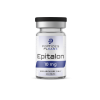
- Skin and Anti-Aging Peptides: Collagen peptides improve elasticity, hydration, and wrinkles after 12 weeks. GHK-Cu aids regeneration and reduces fine lines. Epithalon activates telomerase for longevity support.
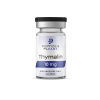
- Immune Peptides: Thymalin activates T-cells and balances immunity. Thymosin Alpha modulates immune cells via dendritic pathways.
What Peptides Should I Take for Muscle Growth?
Peptides such as CJC-1295, Ipamorelin, and Sermorelin are short chains of amino acids that stimulate the body’s natural production of growth hormone (GH) and insulin-like growth factor 1 (IGF-1). These hormones play key roles in enhancing muscle protein synthesis, recovery, and fat metabolism. While studies suggest promising effects on muscle growth and recovery, research remains ongoing, and FDA approval for use in healthy individuals is currently lacking. Peptide use should be approached cautiously and typically requires medical supervision or a prescription.
These compounds work by signaling the pituitary gland to release more GH, promoting lean muscle gains and faster tissue repair. However, peptides should complement a proper diet and exercise routine, not replace them. Some, such as BPC-157, focus primarily on repair and recovery rather than direct muscle-building effects.
- CJC-1295 + Ipamorelin: A synergistic combination that mimics natural GH release for long-lasting effects, supporting muscle growth and fat loss.
- Sermorelin: Encourages natural GH release in a youthful pattern, helping restore hormonal balance.
- IGF-1 LR3: A modified form of IGF-1 that acts directly on muscle tissue to promote sustained anabolic signaling.
- BPC-157 & TB-500: Focus on healing and tissue regeneration, often used to enhance recovery from injuries.
- MK-677 (Ibutamoren): A non-peptide oral compound that boosts GH and IGF-1 production, offering a convenient alternative.
What Peptides Should I Take for Weight Loss?
The most effective, FDA-approved peptides for weight loss are GLP-1 receptor agonists such as Tirzepatide (Zepbound/Mounjaro) and Semaglutide (Wegovy/Ozempic). These medications help reduce appetite, increase feelings of fullness, and improve metabolism. Liraglutide (Saxenda) is another FDA-approved option, administered daily. Other peptides like AOD9604, CJC-1295, and Ipamorelin are not FDA-approved for weight loss but may support fat reduction and muscle maintenance when prescribed under medical supervision.
- Tirzepatide (Zepbound/Mounjaro) is a dual-action peptide that targets both GIP and GLP-1 receptors, often resulting in significant weight loss of 15–20% or more and improved metabolic health.
- Semaglutide (Wegovy/Ozempic) is a weekly injection that mimics the GLP-1 hormone, helping to suppress appetite, slow digestion, and promote steady, effective weight loss.
- Liraglutide (Saxenda) is a daily injection that supports appetite control and long-term weight management, making it suitable for gradual and sustained progress.
- AOD9604 is a peptide formulated to stimulate fat breakdown (lipolysis) and reduce the formation of new fat cells, aiding in body fat reduction.
- CJC-1295 and Ipamorelin work together to increase growth hormone release, which helps boost metabolism, enhance energy levels, support lean muscle growth, and burn unwanted fat.
What Peptides Should I Take for Fat Loss?
The most effective peptides for fat loss include GLP-1 receptor agonists such as Tirzepatide and Semaglutide, which work by suppressing appetite and increasing feelings of fullness. Alongside these, growth hormone–releasing peptides (GHRPs) like CJC-1295 and Ipamorelin help boost metabolism and promote fat burning. When prescribed under medical supervision, these peptides can reduce appetite, decrease belly fat, and help preserve lean muscle mass.
- Tirzepatide (Zepbound/Mounjaro) is a highly effective dual-agonist that targets both GLP-1 and GIP receptors. It significantly reduces appetite and body fat, with clinical studies showing potential fat loss of up to 34% over 72 weeks.
- Semaglutide (Wegovy/Ozempic) acts as a GLP-1 agonist that slows stomach emptying and suppresses hunger, leading to consistent weight reduction—often ranging from 15% to 20% over approximately 68 weeks.
- CJC-1295 and Ipamorelin are often combined to naturally increase growth hormone levels, which enhances metabolism, accelerates fat burning, and supports the maintenance of lean muscle mass.
- Tesamorelin is specifically approved for reducing visceral (abdominal) fat, helping improve body composition and metabolic health.
- AOD-9604 is a peptide derived from the growth hormone molecule and designed to stimulate lipolysis, or fat breakdown, making it helpful for reducing stored body fat.
What Peptides Should I Take for Skin Wrinkles and Aging?
The most effective peptides for skin wrinkles and aging stimulate collagen production, relax facial muscles (similar to Botox), or act as carriers to improve skin health. Popular options include Copper Peptide (GHK-Cu), Matrixyl (Palmitoyl Pentapeptide-4), and Argireline (Acetyl Hexapeptide-3). These ingredients, commonly found in serums and creams, boost firmness, reduce expression lines, and enhance skin elasticity.
- Copper Peptides (GHK-Cu) boost collagen production, improve skin elasticity, and reduce the appearance of fine lines and wrinkles.
- Matrixyl 3000 / Palmitoyl Pentapeptide-4 signals skin cells to produce more collagen, which effectively reduces wrinkle depth and improves overall skin texture.
- Argireline (Acetyl Hexapeptide-3) functions as a "Botox-like" peptide by relaxing facial muscles, helping to minimize expression lines, especially around the forehead and eyes.
- Syn-Ake (Tripeptide-3) mimics viper venom to relax facial muscles and smooth out skin wrinkles for a more youthful appearance.
- Palmitoyl Tripeptide-5 stimulates collagen synthesis and helps firm up sagging skin, promoting better elasticity and tone.
- Tetrapeptide-7 reduces inflammation that contributes to premature aging, helping to soothe skin and maintain a smoother complexion.
What Peptides Should I Take for Energy & Sleep?
Top peptides for enhancing energy and improving sleep quality include growth hormone stimulators like Sermorelin, Ipamorelin, and CJC-1295, which support recovery and rest. Sleep-specific options such as DSIP promote deep sleep stages, while Epitalon helps regulate sleep cycles. For sustained energy, mental focus, and fatigue reduction, peptides like Selank, Semax, and MOTS-c optimize hormonal balance and mitochondrial function.
- Sermorelin and Ipamorelin stimulate the natural release of human growth hormone (HGH), which improves deep slow-wave sleep, enhances daytime energy, and supports better overall recovery.
- CJC-1295 with Ipamorelin is a popular combination that boosts HGH levels, leading to increased energy, better sleep quality, and improved muscle recovery.
- DSIP (Delta Sleep-Inducing Peptide) acts on the central nervous system to promote deep delta-wave sleep, helping users fall asleep faster and achieve more restorative rest without causing sedation.
- Epitalon regulates the pineal gland to balance melatonin production, improving sleep-wake cycles, enhancing sleep quality, and providing anti-aging benefits for sustained energy.
- MOTS-c enhances mitochondrial function and metabolic flexibility, promoting better energy production, physical endurance, and reduced fatigue during daily activities.
What Peptides Should I Take With TRT?
Peptides are frequently combined with Testosterone Replacement Therapy (TRT) to enhance results in fat loss, muscle gain, recovery, and overall vitality. Growth hormone secretagogues (GHS) like Sermorelin, CJC-1295, and Ipamorelin boost HGH and IGF-1 levels to complement TRT. Healing peptides such as BPC-157 and TB-500 accelerate tissue repair, while Gonadorelin supports fertility.
Growth Hormone Boosters (GHS)
- Sermorelin stimulates the pituitary gland to naturally increase growth hormone production, which improves energy levels, libido, and fat loss when paired with TRT.
- CJC-1295 is often stacked with Ipamorelin to elevate IGF-1 levels, promoting deeper sleep, enhanced muscle growth, and better body composition alongside TRT.
- Ipamorelin acts as a selective GHRP that boosts growth hormone release with fewer side effects like hunger, supporting recovery and performance during TRT.
- Tesamorelin targets visceral fat reduction and optimizes body composition, making it a strong addition to TRT for leaner physique results.
Healing & Recovery
- BPC-157 accelerates the healing of tendons, ligaments, and muscles by promoting tissue regeneration and reducing inflammation in TRT users.
- TB-500 enhances wound healing, decreases inflammation, and supports joint and soft tissue repair to aid recovery during intense training on TRT.
Fertility Maintenance
- Gonadorelin mimics natural GnRH to preserve testicular function and sperm production, preventing fertility issues commonly associated with long-term TRT.
How to Know What Peptides to Take?
Choosing the right peptides starts with clear health goals and professional medical advice to ensure safety and effectiveness.
- Identify Your Goals: Define specific objectives like weight loss, injury repair, anti-aging, or muscle gain to narrow down options. For example, Semaglutide targets fat loss, while BPC-157 and TB-500 aid healing. Popular choices include BPC-157 for healing, CJC-1295/Ipamorelin for growth hormone and anti-aging, and collagen peptides for skin health.
- Consult Professionals: Work with a doctor for blood work, health history review, and dosing guidance, as peptides may cause side effects like nausea or insulin issues. Many peptides lack FDA approval for human use and are labeled for research only, so medical supervision is essential.
- Verify Product Quality: Source from reputable providers offering third-party testing for 98%+ purity, certificates of analysis, and GMP compliance to avoid contaminants. Avoid unregulated online sellers, especially overseas, which often fail purity standards.
Tips in Choosing Among Peptides
Peptides require careful selection due to varying quality in an unregulated market. Focus on purity, reputable sourcing, and goal alignment for safe, effective use.
Verify Quality and Safety
Choose peptides with at least 98% purity to minimize contaminants that could reduce effectiveness or cause harm. Demand a batch-specific Certificate of Analysis (CoA) from third-party labs, including HPLC chromatograms, mass spectrometry results, and checks for heavy metals or solvents. Opt for tamper-proof packaging and suppliers offering independent testing verification, such as online codes or QR lookups.
Align with Your Goals
Select peptides matching your needs, like BPC-157 for joint repair, GHK-Cu for collagen and anti-aging, or Epitalon for sleep and longevity. For skincare, prioritize multi-peptide formulas (e.g., palmitoyl or carnosine) that are non-comedogenic and suit sensitive skin. Consult a doctor or specialist for personalized advice based on your health profile and potential side effects.
Evaluate Suppliers
Research supplier reputation through verified reviews, avoiding unrealistically cheap deals that signal counterfeits. Confirm proper cold-chain shipping with ice packs and storage instructions to preserve peptide stability.
Master Administration
Start with low doses to assess tolerance, choosing methods like injections or topicals based on absorption needs. Track progress in a journal, noting energy, results, and any issues to refine usage.
Review Regulations
Distinguish FDA-approved peptides (e.g., certain GLP-1s for weight loss) from research-only ones, using the latter under medical guidance only.
Explore Trusted Peptide Products Designed for Research from PeptidesPlease
Explore trusted peptide products designed for research from our website, where researchers can access high-purity synthetic peptides like GHK-Cu, BPC-157, and collagen peptides from reputable suppliers such as Peptide Sciences or Phoenix Pharmaceuticals, all rigorously tested for scientific applications exceeding 99% purity via HPLC and mass spectrometry. These research-grade products are strictly for laboratory use—not human consumption—and support studies in areas like anti-aging, muscle recovery, and cellular discovery, but determining "what peptides to take" requires professional medical guidance, as self-administration risks contamination or improper dosing without pharmaceutical-grade oversight from a doctor. Visit our site today to browse catalog options, custom synthesis, and quality-assured options tailored for advancing biomedical breakthroughs responsibly.
Frequently Asked Questions
What are the best peptides to take?
Popular peptides depend on goals like muscle growth, fat loss, or recovery, with common ones including CJC-1295/Ipamorelin for growth hormone stimulation, BPC-157 for healing, and GLP-1 agonists like semaglutide or tirzepatide for weight management. These are often used in bodybuilding or wellness contexts but require medical supervision due to varying regulations and safety profiles.
How do I decide which peptides to take?
Consult a healthcare provider to match peptides to your goals, health history, skin type (if topical), and medical conditions, as they assess risks like interactions or unregulated supplements. Consider administration (injection, oral, nasal), desired outcomes, and sourcing from reputable providers to minimize risks. Start low and monitor under guidance, avoiding if pregnant, breastfeeding, or on certain medications.
What is the best peptide for building muscle?
CJC-1295 combined with Ipamorelin stands out for muscle growth by boosting growth hormone and IGF-1, promoting hypertrophy, recovery, and performance. Other strong options include Tesamorelin for lean mass and fat reduction, or IGF-1 LR3 for direct muscle tissue effects. These peptides mimic natural processes but work best with training and under professional oversight.
What are the best peptides to take with testosterone?
Sermorelin pairs well with testosterone replacement therapy (TRT) to enhance growth hormone release, improving muscle, energy, metabolism, and recovery. Semaglutide can complement fat loss and muscle preservation, while CJC-1295/Ipamorelin stacks amplify overall gains. This combination is common for optimization but requires medical monitoring to balance hormones safely.
What are the best peptides for fat loss?
Tirzepatide and semaglutide (GLP-1/GIP agonists) lead to significant weight loss by curbing appetite, regulating blood sugar, and targeting fat. CJC-1295/Ipamorelin or Tesamorelin support fat metabolism via growth hormone, preserving muscle. AOD-9604 aids targeted fat breakdown; results improve with diet and exercise under supervision.
How should researchers select target peptides for specific goals?
Peptide selection depends on goals: BPC-157/TB-500 for tissue recovery, GHK-Cu for skin/collagen, Sermorelin/CJC-1295 for HGH elevation, and GLP-1s for weight management.
Summary
There is no universal "one-size-fits-all" peptide recommendation, as popular options like BPC-157 for healing and inflammation reduction, CJC-1295/Ipamorelin for muscle growth and recovery, or GHK-Cu for skin health must be selected based on your specific health goals, age, medical history, and lab results—often requiring professional evaluation to avoid risks. Most peptides discussed for wellness (e.g., TB-500, Epithalon) lack broad FDA approval for general use and carry potential side effects like hormonal imbalances, injection-site reactions, or contamination from unregulated sources, making unsupervised self-administration unsafe. Ultimately, consult a qualified healthcare provider for personalized assessment, monitoring, and sourcing from reputable pharmacies before starting any peptide regimen to ensure safety and efficacy.