Peptide injections are therapeutic shots delivering chains of amino acids—known simply as peptides—that mimic the body's natural signaling molecules to promote various health benefits. These what are peptide injections essentially provide concentrated doses of bioactive peptides, which are short chains of amino acids linked together to influence processes like collagen production, skin elasticity, and overall tissue repair. For instance, collagen peptides target the skin and connective tissues, boosting collagen production to enhance skin elasticity and support bone health, while also aiding joint health by reducing inflammation and improving mobility.
Beyond aesthetics, peptide injections include specialized types like growth hormone-releasing peptides, which stimulate the pituitary gland to release human growth hormone, accelerating tissue repair and recovery. They're popular among athletes for faster healing and in anti-aging protocols for maintaining bone health and joint health. Always consult a healthcare provider before starting peptide injections, as dosages and types vary based on individual needs.
How Peptide Injections Work?
Peptide injections deliver short chains of amino acids straight into the bloodstream or tissue. This skips digestion for maximum effectiveness, signaling cells to repair tissue, build muscle, reduce inflammation, or boost metabolism. By mimicking the body's natural messengers, they bind to cell receptors and trigger responses like collagen production, fat burning, and regeneration.
- Targeted Signaling: Peptides act as precise messengers, instructing cells to spark specific responses—like releasing more growth hormone, revving metabolism, or speeding healing.
- Direct Delivery: Injections bypass the gut, delivering 100% bioavailability for quicker, stronger results than pills or creams.
- Tissue Repair and Regeneration: Peptides like BPC-157 and Thymosin Beta-4 promote new blood vessel growth (angiogenesis) and cut inflammatory cytokines, accelerating recovery in muscles, ligaments, and skin.
- Hormonal Modulation: Options like CJC-1295 and Ipamorelin nudge the pituitary gland to ramp up natural growth hormone (HGH), supporting fat loss and muscle gains.
- Collagen Stimulation: Peptides such as GHK-Cu activate fibroblasts to boost collagen, tightening skin and fighting aging.
What Are Peptide Injections Used For?
Peptide injections act as signaling molecules that stimulate natural healing responses. Common applications span skin health, metabolic support, injury recovery, performance enhancement, and immune function, often administered subcutaneously for optimal absorption.
- Anti-Aging and Skin Rejuvenation: These injections boost collagen and elastin to enhance skin elasticity, firmness, and wrinkle reduction. Peptides like GHK-Cu promote tissue remodeling and repair for a youthful complexion without invasive procedures.
- Weight Loss and Metabolic Health: Peptides accelerate fat burning, preserve lean muscle, and improve metabolism for effective weight management. They target fat pathways and energy production to support sustainable body composition changes.
- Injury Repair and Joint Health: Injections speed tendon, ligament, and cartilage healing while curbing osteoarthritis-related inflammation. Regenerative peptides like those mimicking growth factors aid rapid tissue recovery and pain relief.
- Muscle Growth and Performance: By elevating growth hormone levels, peptides enhance muscle building, recovery, and athletic output. They optimize mitochondrial function for better endurance and reduced downtime.
- Immune and Wellness Support: Peptides bolster immune responses and promote gut or tissue regeneration. They offer broad benefits like better sleep, hormone balance, and anti-inflammatory effects for overall vitality.
Explore Trusted Peptide Products Designed for Research from PeptidesPlease
Explore trusted peptide products designed for research from PeptidesPlease, where you can discover high-quality injectable peptides and synthetic peptides like copper peptide to support studies on stimulating collagen production, joint function, muscle mass, and digestive system health. Dive into peptide therapy with certain peptides, including collagen-stimulating peptides, that researchers use to investigate ways to stimulate collagen, enhance joint function, boost muscle mass, and optimize the digestive system—all backed by rigorous purity standards for reliable research outcomes.
Types Of Peptides Used In Injections
Injectable peptides are short amino acid chains administered subcutaneously to target functions like weight loss, healing, and anti-aging by bypassing digestion for optimal absorption. These compounds mimic natural hormones to regulate metabolism, repair tissues, or stimulate growth factors. They're commonly used in wellness and performance contexts but often require medical oversight due to limited FDA approvals beyond specific indications.
- Weight Loss Peptides: Semaglutide functions as a GLP-1 receptor agonist, promoting up to 15% body weight loss through appetite suppression and weekly dosing from 0.25-2.4mg. Tirzepatide, a dual GLP-1/GIP agonist under brands like Mounjaro, achieves around 20% weight reduction with similar weekly injections starting at 2.5mg. AOD-9604, a growth hormone fragment, enhances fat metabolism at 250-500mcg daily without affecting blood sugar.
- Healing Peptides: BPC-157 accelerates muscle, tendon, ligament, and gut repair through angiogenesis and anti-inflammatory effects. TB-500, or Thymosin Beta-4, supports cell migration, tissue regeneration, and inflammation reduction. GHK-Cu boosts collagen production for skin rejuvenation and wound healing.
- Growth Hormone Peptides: Ipamorelin selectively stimulates pituitary GH release for fat loss and muscle preservation, typically at nightly doses. CJC-1295 prolongs GH pulses and elevates IGF-1 levels, often combined with Ipamorelin for synergy. Sermorelin naturally prompts GH production from the pituitary gland.
- Cognitive Peptides: Semax and Selank provide nootropic benefits by reducing anxiety, enhancing focus, and supporting immunity. Dihexa fosters synaptic repair and neuroplasticity for brain health.
Are Peptide Injections Safe?
Peptide injections can be safe when administered under medical supervision as part of a personalized treatment plan, though safety varies by type—most peptides, like natural peptides or peptide supplements such as creatine peptide, are well-tolerated with potential benefits including muscle growth, recovery, and regenerative and protective actions that peptides stimulate in the body. As dietary supplements, they often mimic the body's own signaling molecules to promote healing, anti-aging, or performance enhancement, but risks like injection-site reactions, allergic responses, or hormonal imbalances arise from improper dosing, poor-quality sources, or lack of oversight; always consult a healthcare provider to weigh these against the promising outcomes backed by clinical studies on specific peptides like BPC-157 or TB-500.
Are Peptide Injections Legal?
Peptide injections vary widely. FDA-approved peptides like semaglutide (for diabetes and obesity) are fully legal with a prescription, while many others like BPC-157 exist in a gray area—legal to buy as research chemicals, possess, and inject directly into the skin barrier for personal use, but illegal for companies to market or sell for human consumption without approval. These short amino acid chains regulate many biological functions and biological processes, such as gonadotropin-releasing hormone signaling, immune system modulation (including potential allergic reactions via IgE antibodies and histamine release), and more, often derived from gene data analysis. Unlike oral supplements, which face absorption challenges, injected peptides bypass the skin barrier for better bioavailability, though they carry risks like immunogenicity, injection site reactions, and unknown long-term effects, especially for unapproved ones. Always consult a doctor for legal, safe use.
Find Reliable Peptide Products for Research at PeptidesPlease
Researchers seeking reliable peptide products for scientific studies can turn to PeptidesPlease, a trusted supplier offering high-purity (≥99%) research-grade peptides, proteins, and amino acid derivatives manufactured in the US and sourced globally. The company employs advanced solid-phase and solution-phase synthesis methods, with each batch rigorously tested for purity, sequence accuracy, and stability under strict quality controls, ensuring consistency for laboratory investigations like biochemical analysis and peer-reviewed studies. PeptidesPlease also provides white-label options, on-demand shipping with no inventory overhead, and a research blog featuring guides and scientific insights, making it a dependable partner for advancing peptide-based research without compromising on quality or compliance.
Frequently Asked Questions
What are peptide injections?
Short amino acid chains injected subcutaneously to mimic body signals for healing, growth, or fat loss (e.g., BPC-157, semaglutide).
What does injecting peptides do?
Triggers targeted effects like boosting HGH, repairing tissues, or curbing appetite—subtle results over days/weeks; doctor-supervised only.
What do peptide injections look like?
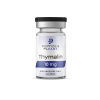
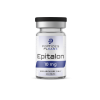
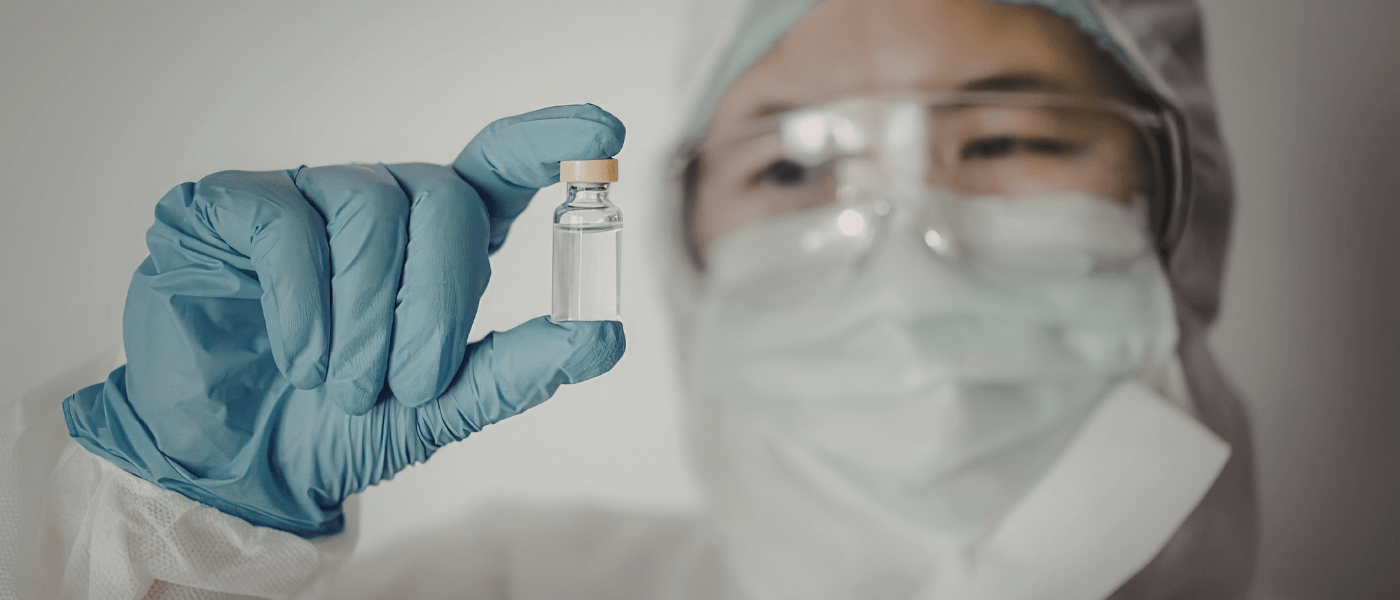
Clear liquid in small vials/pens; thin needles (29–31G) for quick subQ shots in belly/thigh; refrigerated storage.
How do subcutaneous peptide injections deliver active compounds?
Peptide injections use fine insulin needles to deliver reconstituted liquid peptides into the subcutaneous fat layer, ensuring direct, rapid bloodstream absorption.
Summary
Peptide injections are therapeutic treatments involving short chains of amino acids, known as peptides, administered directly into the body via syringe or IV for optimal absorption into the bloodstream, bypassing digestive breakdown. These synthetic or bioactive compounds mimic natural hormones and signaling molecules to stimulate specific physiological responses, such as boosting collagen production for skin rejuvenation, enhancing muscle growth and recovery, promoting tissue repair, regulating metabolism, or supporting anti-aging effects. Popular for their high bioavailability—often absorbed within 30 minutes on an empty stomach—they are used subcutaneously or intramuscularly by licensed professionals to address concerns like injury healing, weight loss, immune function, and inflammation reduction, though safety requires monitoring for side effects and long-term impacts.