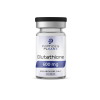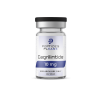
Sermorelin vs CJC 1295 are two closely related peptides used in the context of growth hormone therapy, often discussed for their ability to support natural growth hormone production rather than introducing synthetic hormone directly. Both substances act as growth hormone-releasing hormone (GHRH) analogs, meaning they mimic the body’s own signals to stimulate the pituitary gland to release growth hormone. This mechanism helps preserve the natural rhythm of growth hormone release, avoiding the constant elevation seen with direct hormone injections, and may support improvements in muscle growth, energy levels, and overall body composition over time.
In practical terms, sermorelin vs CJC 1295 differ mainly in their duration and dosing, but both aim to enhance the body’s capacity to release growth hormone when needed. Sermorelin is a shorter‑acting peptide that stimulates the pituitary gland more acutely, while CJC‑1295 is designed to extend the effect by binding to circulating proteins and prolonging growth hormone-releasing activity. Together, these peptides are studied for their potential to improve growth hormone production, support lean muscle growth, and positively influence body composition, making “sermorelin vs CJC 1295” a common comparison in discussions about growth hormone optimization and age‑related decline.
CJC 1295 vs Sermorelin Comparison
CJC-1295 and Sermorelin are both used in peptide therapy to increase growth hormone levels, but they differ in how they stimulate the body’s natural processes compared to synthetic growth hormone. CJC-1295 has a longer half-life, leading to more sustained release and gradual and steady improvements in growth hormone levels, while Sermorelin works more like the body’s natural signaling, promoting shorter bursts that support hormone balance. Both options can aid in fat metabolism and optimizing body composition, though the choice often depends on whether someone prefers a longer-acting peptide or a more natural pulse-based approach to increasing growth hormone levels.
Find Reliable Peptide Products for Research at PeptidesPlease
Find reliable peptide products for research at PeptidesPlease with confidence by comparing sermorelin and CJC-1295 based on your study goals: sermorelin is the more natural, shorter-acting option that better preserves the body’s normal growth-hormone rhythm, while CJC-1295 is a longer-acting GHRH analog that can keep GH levels elevated for much longer and is often preferred when extended activity matters. Both are used in research to study growth-hormone signaling, but CJC-1295’s half-life is substantially longer, and sermorelin is often viewed as the more physiologic choice for research focused on natural pulsatility.
Sermorelin vs CJC 1295: Structural Differences
Sermorelin and CJC-1295 are both growth hormone-releasing hormone (GHRH) analogs, but their structural differences define key differences: Sermorelin mirrors the first 29 amino acids of natural GHRH, promoting short pulses that align with the body's natural rhythm, while CJC-1295 features modifications like D-Ala and other substitutions, enabling less frequent dosing. These changes make Sermorelin ideal for enhancing recovery, sleep quality, lean muscle mass, and body fat reduction through pulsatile GH release under medical supervision, whereas CJC-1295 offers sustained effects for similar benefits like fat loss and muscle gains but with potentially less physiological mimicry. Always use under medical supervision to optimize safety and efficacy.
Sermorelin vs CJC 1295: Administration Difference
Sermorelin and CJC-1295 differ significantly in administration due to their half-lives, with Sermorelin requiring daily subcutaneous injections to mimic natural pulsatile GH release, while CJC-1295 (especially with DAC) offers fewer injections—often weekly—thanks to its extended 6-8 day duration bound to albumin. This makes CJC-1295 more convenient for anti-aging protocols aimed at improving muscle tone, energy, and overall recovery, though Sermorelin's gentler, physiological approach may suit those with specific health histories or where the body responds better to natural pulses, potentially avoiding slower recovery from sustained GH elevation. Both peptides stimulate endogenous GH for anti-aging benefits like enhanced body composition and vitality, but individual factors such as health history and how the body responds should guide choice, with CJC-1295 often favored for fewer injections despite a slightly higher side effect risk.
Sermorelin vs CJC 1295: Absorption
Sermorelin features rapid subcutaneous absorption due to its unmodified GHRH structure, achieving quick peak plasma levels but undergoing swift enzymatic breakdown shortly after entry into circulation. CJC-1295, modified with amino acid substitutions such as D-Ala at position 2, exhibits similarly fast initial uptake yet maintains higher bioavailability through resistance to early degradation enzymes like DPP-IV. Overall, this allows CJC-1295 to provide more prolonged systemic exposure relative to Sermorelin's brief absorption phase.
Sermorelin vs CJC 1295: Stability
Sermorelin demonstrates limited plasma stability from its vulnerability to rapid protease cleavage, particularly by DPP-IV, without any protective modifications to extend its lifespan in vivo. In contrast, CJC-1295 incorporates tetrasubstitutions that enhance resistance to enzymatic breakdown, resulting in superior metabolic stability and longer persistence before full clearance. Both peptides require cold storage in lyophilized form, though CJC-1295's design inherently offers greater durability post-reconstitution.
Sermorelin vs CJC-1295 for Muscle Growth and Other Expected Results
Sermorelin promotes muscle growth through short, pulsatile GH elevations that support natural repair processes, lean mass accrual, strength improvements, and recovery without causing sustained supraphysiological levels. CJC-1295 induces more extended GH and IGF-1 rises, driving enhanced protein synthesis, fat loss, endurance gains, and body composition changes ideal for intensive research scenarios. Sermorelin suits physiological anti-aging models with moderate benefits, whereas CJC-1295 targets amplified anabolic outcomes at the potential cost of disrupting natural GH patterns.
Sermorelin Half-Life vs CJC-1295
Sermorelin possesses an ultrashort half-life of approximately 2-5 minutes, facilitating studies of acute, pulsatile GH secretion patterns in research settings. CJC-1295 without DAC extends this to around 30 minutes via stability enhancements, while the DAC-bound form achieves 6-8 days through albumin-mediated prolongation. Dosing regimens reflect these traits: frequent administration for Sermorelin versus weekly or biweekly for CJC-1295 DAC.
Sermorelin vs CJC 1295: Research and Supporting Data
Research on Sermorelin, including studies in GH-deficient models, confirms its ability to restore pulsatile GH and IGF-1 levels, aiding muscle preservation, metabolic health, and recovery without long-term desensitization. CJC-1295 trials, such as those by Teichman et al., reveal sustained GH/IGF-1 increases over extended periods, proving efficacy for chronic stimulation, though with noted risks of receptor downregulation. Sermorelin aligns better with endogenous rhythms per foundational work like Ionescu and Frohman, while CJC-1295 supports higher-yield anabolic investigations.
CJC-1295 with DAC vs Without DAC vs Sermorelin
CJC-1295 without DAC strikes a balance with its ~30-minute half-life, delivering pulse-mimicking GH release that's more stable than Sermorelin, suiting flexible daily protocols for recovery and growth research. The DAC version extends action to days or weeks via albumin binding, enabling infrequent dosing for sustained effects but potentially leading to pituitary fatigue, unlike Sermorelin's transient profile. Sermorelin prioritizes natural pulsatility for safer, physiological modeling, no-DAC offers versatility, and DAC maximizes duration for long-term studies.
Explore Trusted Peptide Products Designed for Research from PeptidesPlease
Explore trusted peptide products designed for research from PeptidesPlease, where high-purity (≥99%) research-grade Sermorelin and CJC-1295 are available with certificates of analysis, third-party testing, and strict quality controls for scientific studies on growth hormone stimulation. Sermorelin, a GHRH analog with a short half-life of 10-20 minutes, promotes natural, pulsatile GH release, making it suitable for research into pituitary function and anti-aging mechanisms, while requiring more frequent administration. In contrast, CJC-1295 (especially with DAC) offers an extended half-life up to 6-8 days for sustained GH and IGF-1 elevation, ideal for studies on muscle recovery, fat loss, and metabolic processes, though it's positioned as a research chemical rather than FDA-approved. Researchers value PeptidesPlease for reliable sourcing of these peptides to compare their pharmacokinetics, receptor binding at GHRHR, and downstream effects without compromising experimental integrity.
Frequently Asked Questions
How do Sermorelin and CJC-1295 work differently?
Sermorelin, a synthetic version of the first 29 amino acids of natural GHRH, binds to pituitary receptors to trigger short, pulsatile GH releases with a half-life of 10-20 minutes, mimicking the body's natural pattern and preserving feedback mechanisms. CJC-1295, a modified GHRH analog, resists breakdown for a longer half-life—about 30 minutes without DAC (stronger pulses) or 6-8 days with DAC (sustained GH elevation via albumin binding)—leading to more prolonged stimulation. This makes Sermorelin gentler and self-limiting, while CJC-1295 provides intensified or extended effects.
How does Sermorelin compare to CJC-1295?
Sermorelin offers natural, short pulses ideal for daily bedtime dosing, sleep enhancement, and long-term anti-aging with milder effects and an FDA history (though discontinued commercially). CJC-1295 delivers stronger GH output, better for body composition and recovery, but requires less frequent dosing and carries slightly higher side effect risks like water retention. Key differences include half-life, dosing (daily vs. multiple/weekly), and GH pattern (pulsatile vs. sustained).
Which works faster, Sermorelin or CJC-1295?
Sermorelin offers natural, short pulses ideal for daily bedtime dosing, sleep enhancement, and long-term anti-aging with milder effects and an FDA history (though discontinued commercially). CJC-1295 delivers stronger GH output, better for body composition and recovery, but requires less frequent dosing and carries slightly higher side effect risks like water retention. Key differences include half-life, dosing (daily vs. multiple/weekly), and GH pattern (pulsatile vs. sustained).
How does Sermorelin compare with CJC-1295 secretagogues?
Sermorelin has a shorter half-life (~12 minutes) mimicking natural rapid growth hormone pulses, whereas CJC-1295 (especially with DAC) elevates baseline HGH for days.
Summary
In conclusion, Sermorelin and CJC-1295 both serve as GHRH analogs to stimulate natural HGH production for anti-aging, muscle growth, fat loss, and recovery benefits, yet they differ markedly in pharmacokinetics, with Sermorelin's short 10-20 minute half-life enabling pulsatile, natural-like GH release via daily dosing, while CJC-1295 (especially with DAC) offers a prolonged 6-8 day half-life for sustained effects and weekly administration. Sermorelin stands out as FDA-approved (formerly), generally safer with milder side effects like injection site reactions and headaches, and lower cost, whereas the less-regulated CJC-1295 may pose higher risks of antibody development or insulin sensitivity issues despite similar mild effects. The optimal choice hinges on research or therapeutic goals—pulsatile patterns favor Sermorelin, while long-term elevation suits CJC-1295—always under medical supervision due to regulatory variances and individual health factors.