The question of whether BPC 157 is legal has become increasingly complex as interest in regenerative medicine grows. BPC 157, or Body Protective Compound 157, is a synthetic pentadecapeptide derived from a protein found in human gastric juice.
While it has shown significant promise in animal models for healing tendons, muscles, and the gastrointestinal tract, its legal standing is not uniform across the globe. Understanding the distinction between research availability and clinical approval is essential for anyone navigating this space.
Is BPC 157 Legal: FDA Status
In the United States, the FDA status of BPC 157 is clear: it is not an FDA approved drug. As of September 2023, the FDA significantly tightened its stance on this compound. It was placed into "Category 2" under the interim policy for compounding, which identifies substances that present significant safety risks or lack sufficient evidence of safety.
This classification effectively bars compounding pharmacies from creating BPC 157 formulations for patient use. The FDA has not granted it a "Generally Recognized as Safe" (GRAS) status, nor is it an approved dietary ingredient.
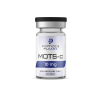
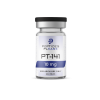
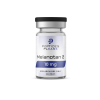
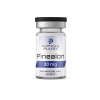
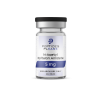
Explore Trusted Peptide Products Designed for Research from PeptidesPlease
For scientists and clinical investigators, sourcing high-purity materials is paramount. We encourage you to explore trusted peptide products designed for research from PeptidesPlease. Peptides Please provides research-grade peptides at ≥99% purity, manufactured by certified facilities and verified through independent third-party laboratory testing.
We are committed to delivering the highest quality research compounds with exceptional customer service that sets the industry standard. With reliable shipping, rigorous quality control, and dedicated support, we serve the research community with integrity and confidence.
Can You Possess BPC 157 Legally?
Possession of BPC 157 is generally not a criminal offense for the individual in most Western nations, as it is not classified as a controlled substance like anabolic steroids or narcotics. However, "legal to possess" does not equate to "legal to use" or "legal to market."
The legality often hinges on the intent of the possessor and how the substance was acquired. While you likely won't face arrest for having a vial, the lack of regulatory oversight means you are possessing an unapproved drug with no guarantee of purity or safety.
Is BPC-157 Legal For Human Use: FDA Warning?
The FDA has issued specific warnings regarding BPC-157 legal for human use. The agency's primary concern revolves around the lack of human clinical trials and potential "immunogenicity"—the risk that the body might develop an immune response against the peptide.
Furthermore, there are concerns regarding impurities that may arise during the synthetic manufacturing process. The FDA explicitly warns that since the compound has not undergone the rigorous New Drug Application (NDA) process, its long-term effects on human health remain unknown and potentially hazardous.
Is BPC-157 Legal Over The Counter?
No, BPC 157 is not legal over the counter as a supplement or medication. Under the Dietary Supplement Health and Education Act (DSHEA), a substance must have been marketed as a food or supplement before 1994 or have a successful New Dietary Ingredient (NDI) notification to be sold as a supplement. BPC 157 meets neither criteria. Any product sold in a retail store or online as a "supplement" containing BPC 157 is technically in violation of federal law and could be subject to seizure.
Is BPC-157 Legal for Prescription?
Since the FDA moved BPC 157 to Category 2 for compounding, it is no longer legal for physicians to prescribe it through traditional compounding pharmacies in the US. While a doctor can theoretically discuss experimental treatments with a patient, they cannot legally write a prescription for a pharmacy to fill BPC 157. This has led to a significant decrease in its availability within legitimate medical clinics that previously utilized it for sports medicine and "off-label" recovery protocols.
Is BPC-157 Legal For Research Purposes?
The most robust legal pathway for BPC 157 is its use in a laboratory setting. It is BPC-157 legal for research purposes, provided it is sold and used strictly for "in vitro" or animal testing. Vendors must clearly label these products "Not for Human Consumption." This "research chemical" loophole allows the scientific community to continue studying the peptide's effects on tissue repair and cytoprotection without violating drug marketing laws, provided no medical claims are made to the end-user.
Is BPC-157 Legal In US?
In the US, the legality is bifurcated. It is legal to buy and sell as a research chemical, but illegal to market, prescribe, or sell as a drug or dietary supplement for human use. Additionally, the World Anti-Doping Agency (WADA) added BPC 157 to its prohibited list in 2022 under section S0 (Non-approved substances). This means for any competitive athlete in the US subject to USADA testing, the use of BPC 157 is a violation that can lead to a multi-year ban from sports.
Is BPC 157 Legal In Europe?
The European Medicines Agency (EMA) has not approved BPC 157 for any medical indication. In most EU member states, it is treated as an "unlicensed medicine." While laws vary slightly by country, the general consensus is that selling for human consumption is prohibited. It is frequently intercepted at borders by customs if labeled as a medication. Like in the US, it remains available through "research only" channels, but these are increasingly scrutinized by health authorities.
Is BPC 157 Legal In Australia?
Australia has some of the strictest regulations regarding peptides. The Therapeutic Goods Administration (TGA) has not approved BPC 157. Under the Poisons Standard, many peptides are classified as Schedule 4 (Prescription Only) or even Schedule 10 (Substances of such danger to health as to warrant prohibition). Selling BPC 157 for human use in Australia can result in heavy fines and legal action. It is largely restricted to authorized research facilities.
Is BPC-157 Legal In New Zealand?
Medsafe, the New Zealand Medicines and Medical Devices Safety Authority, views BPC 157 as an unapproved medicine. While it is not specifically scheduled in some cases, it falls under the "new medicine" category, meaning it cannot be distributed or sold without a successful application for consent. Border officials frequently seize shipments of BPC 157 intended for personal use, categorizing them as high-risk unauthorized imports.
Is BPC 157 Legal In Canada?
Health Canada has not authorized any products containing BPC 157. In Canada, it is illegal to sell the peptide as a natural health product or a drug. While it is not a "controlled substance" under the Controlled Drugs and Substances Act (which covers narcotics), it is regulated under the Food and Drugs Act. Unauthorized sale for human use is a regulatory violation, though research-grade versions remain available for institutional use.
Is BPC-157 Legal In Africa?
The legal status in Africa varies significantly by country. In South Africa, the South African Health Products Regulatory Authority (SAHPRA) maintains strict control over "Schedule 0" through "Schedule 8" substances. BPC 157 is not an approved medicine and thus occupies a legal gray area where it is often sold under the radar in fitness communities, despite a lack of official authorization. In other African nations, enforcement may be less stringent, but no formal approval exists.
Is BPC-157 Legal In Asia?
Asia presents a mixed regulatory landscape. In countries like Japan and South Korea, health authorities are very strict, and BPC 157 is not approved for clinical use. In China, while it is a major hub for peptide manufacturing, the government has recently increased regulations on the export and sale of "research chemicals" to prevent their misuse. Generally, throughout Asia, BPC 157 is unapproved for human medical use.
Is BPC 157 Legal To Buy?
Whether it is BPC 157 legal to buy depends entirely on the context. If you are a researcher purchasing from a legitimate chemical supplier for laboratory work, the transaction is generally legal. If you are a consumer buying it online with the intent to inject or ingest it for personal health reasons, you are operating in a legal gray zone. You are purchasing an unapproved drug that has bypassed the safety checks of the national health authority.
Legal Risks of Selling BPC 157
Sellers of BPC 157 face a multi-faceted landscape of legal jeopardy and regulatory scrutiny. Navigating the commercial distribution of this peptide involves several critical risks:
- Misbranding and Mislabeling: Marketing an unapproved substance for human use can lead to misbranding charges from the FDA or similar agencies if the product labeling does not reflect its legal status accurately.
- Unauthorized Therapeutic Claims: Many peptide companies have been shut down for making explicit therapeutic claims—such as "heals gut issues" or "fixes joint pain"—which legally transforms a research chemical into an unapproved drug.
- Violation of Compounding Standards: Since the move to Category 2, compounding pharmacies that continue to distribute BPC 157 face potential federal injunctions and the loss of their operating licenses.
- Civil and Criminal Prosecution: Beyond regulatory fines, distributors can face criminal prosecution for the intentional sale of unapproved new drugs into interstate commerce.
- Customs Seizures and Financial Loss: Vendors selling internationally face a high rate of shipment seizures by border authorities, leading to significant financial losses and potential legal blacklisting.
- Professional Disciplinary Action: Healthcare providers or wellness clinics that sell or administer the peptide may face investigation and disciplinary action from state medical boards.
- Product Liability and Lack of Insurance: Sellers lack legal protection or insurance coverage if a consumer experiences an adverse event, as the product is sold outside the bounds of approved medical use.
Why BPC 157 Exists in a Legal Gray Area
The persistence of BPC 157 in a legal gray area is driven by the specific way global drug laws intersect with the "research chemical" market. This ambiguity can be broken down into seven key factors:
- Non-Scheduled Status: Because BPC 157 is not a drug of abuse like narcotics or anabolic steroids, it is a non-scheduled substance. This means possession is rarely criminalized, creating a gap where it is neither "approved" nor "banned" for the average citizen.
- The Research Chemical Loophole: Federal laws allow for the sale of unapproved compounds as long as they are strictly for laboratory use. This allows vendors to navigate the line between scientific supply and consumer demand through careful labeling.
- Absence of Human Use Safety Data: While animal studies suggest benefits for musculoskeletal soft tissue healing and the formation of new blood vessels, the lack of clinical trials means there is no established stable gastric pentadecapeptide dosage for humans.
- Category 2 Classification Conflict: The FDA recently moved the compound to Category 2, signaling significant safety risks and banning it for compounding pharmacies, yet it remains available through "not for human consumption" channels.
- WADA and Athletic Prohibitions: The World Anti Doping Agency has added BPC 157 to its prohibited list, making it "illegal" in a professional sporting context even if it is legally obtainable as a research substance.
- Lack of Preclinical Safety Evaluation: Most BPC 157 on the market has not undergone a full preclinical safety evaluation for human toxicity, leading to concerns about immunogenicity or uncontrolled cell migration.
- Regulatory Enforcement Lag: Agencies like the FDA often prioritize the removal of dangerous narcotics, allowing the gray market for peptides to expand until specific warning letters or category changes are issued.
Find Reliable Peptide Products for Research at PeptidesPlease
Precision in the lab requires reliable materials. Investigators looking to advance their work should find reliable peptide products for research at PeptidesPlease. Peptides Please provides research-grade peptides at ≥99% purity, manufactured by certified facilities and verified through independent third-party laboratory testing.
We are committed to delivering the highest quality research compounds with exceptional customer service that sets the industry standard. With reliable shipping, rigorous quality control, and dedicated support, we serve the research community with integrity and confidence.
Frequently Asked Questions
Are BPC-157 peptides illegal in the US?
From a legal standpoint, they are not criminalized for personal possession, but they are not an fda approved drug. Following the fda law regarding unapproved peptides, the agency recently moved bpc 157 to Category 2 for compounding pharmacies. This classification is reserved for certain bulk drug substances that lack drug administration approval and are considered to present significant safety risks to the public. As an unapproved new drug, it cannot be legally marketed for human consumption in the US.
Are BPC-157 peptides legal in Europe?
They are generally considered unlicensed medications throughout the EU. While they are often sold as research chemicals through various online vendors, they lack drug administration approval for treating medical conditions in humans. Most regulatory agencies in Europe, including the EMA, categorize bpc 157 as a prohibited substance for clinical practice due to a lack of clinical safety data and rigorous clinical trials. From a legal standpoint, selling these for human use violates the Medicinal Products Act in many jurisdictions.
Is BPC 157 legal in Germany?
In Germany, bpc 157 is governed by strict pharmaceutical companies and medical boards oversight. It is not an fda approved or EMA-approved therapy. Selling it for human use as a wound healing therapy or for musculoskeletal soft tissue healing is illegal under federal law. German authorities have increasingly issued warning letters to wellness clinics and distributors attempting to bypass these regulations. For a substance to be legally sold, it must undergo a preclinical safety evaluation and extensive human trials to ensure patient safety. BPC 157 is currently missing the clinical data required to move from the lab to the pharmacy shelf in Germany.
Is BPC-157 legal in Australia?
No, it is not TGA-approved. It is categorized alongside certain bulk drug substances that raise safety concerns for the general public. While animal models and research studies suggest it promotes proliferation of cells and helps protect organs, the lack of human clinical trials means it remains a prohibited substance for athletes under the world anti doping agency guidelines. The TGA has cautioned that using unapproved peptides carries a high legal risk and health hazard, as these products are often manufactured without adhering to current good manufacturing practices, potentially leading to contamination.
Is BPC 157 legal in Sweden?
Sweden maintains a high standard for patient safety, requiring extensive safety data before any peptide is approved for clinical use. BPC 157 lacks fda approval and is viewed as an unapproved drug by the Swedish Medical Products Agency. It is not legal to sell it in wellness clinics for human use, and any such marketing is a violation of the education act surrounding therapeutic goods. The absence of clinical safety data makes it impossible for practitioners to provide informed consent regarding potential adverse events or long-term efficacy.
Is BPC-157 legal in South Africa?
It is not an authorized health product according to SAHPRA. Despite anecdotal reports in medical literature regarding its anti inflammatory effects and ability to stimulate new blood vessels through vascular endothelial growth factor (VEGF), it has not met the requirements for human use. The legal status remains that of an unapproved drug. Selling it as a dietary supplement or wellness product is a violation of federal law, as it has not been vetted for potential significant safety risks in humans.
Is BPC-157 legal in India?
India's regulatory framework for injectable therapeutic peptides is evolving, but bpc 157 remains an unapproved drug under the Central Drugs Standard Control Organization (CDSCO).
While it is studied in animal studies for alkali burn wound healing and clopidogrel induced gastric injury, it is not approved for clinical practice. Pharmaceutical companies in India may manufacture it for export as a research chemical, but domestic sale for human consumption is unauthorized and carries a significant legal risk for providers.
Is BPC 157 legal in Mexico?
Mexico does not officially recognize bpc 157 as a dietary supplement or approved medicine. Healthcare providers are cautioned that it lacks clinical data and may contain peptide related impurities that could lead to adverse events like renal failure.
While some alternative therapies are marketed in border regions, COFEPRIS considers these unapproved new drugs. Use without fda approval or local equivalent carries a high risk for both the practitioner and the patient.
Can you legally buy BPC-157 peptides online?
You can buy them as research chemicals for laboratory use, but there is a significant legal risk if you intend to use them for human use. Prioritizing patient safety, regulatory agencies have issued warning letters to companies selling these as alternative therapies without informed consent or current good manufacturing practices.
Websites often use a "not for human consumption" label as a legal workaround, but authorities are increasingly treating these as unapproved drugs if they are marketed with therapeutic claims for things like inflammatory bowel disease or tendon healing.
Can you get in trouble for buying BPC-157 peptides?
Buying bpc 157 for personal use carries a legal risk because it is an unapproved new drug. From a legal standpoint, you are using a compound that may present significant safety risks including potential impact on cultured enteric neurons or cell migration in ways that are not yet understood through clinical trials.
While individual buyers are rarely the target of federal law enforcement, shipments are frequently seized by customs, and your name may be flagged by regulatory agencies. Furthermore, there is no legal recourse if the product causes injury, as it was purchased as a research chemical.
Can you legally buy BPC 157 in Australia?
Only for legitimate research purposes through authorized scientific suppliers. It is not a legal dietary supplement for things like knee pain or tendon healing. The world anti doping agency prohibits its use at all times for competitive athletes.
From a legal standpoint, it is considered to have potential significant safety risks in the absence of human use safety data. Purchasing it for personal use via wellness clinics or international websites is a violation of the Therapeutic Goods Act.
Summary
In summary, the legal status of BPC 157 is defined by its exclusion from the approved drug lists of major global health organizations like the FDA, TGA, and EMA. While it remains a popular subject of scientific inquiry in the context of stable gastric pentadecapeptide research, its use in human therapy occupies a precarious legal and safety position. Consumers and athletes must be especially wary of the legal implications and safety concerns involved with this body protective compound.