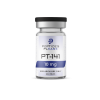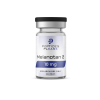
In the realm of peptide research, understanding the specific administration protocols for Thymosin Alpha 1 (Tα1) and Thymosin Beta 4 (Tβ4) is paramount. These compounds, derived from the thymus gland, play distinct roles in modulating biological responses.
While Thymosin Alpha 1 is primarily recognized for its immune-modulating properties, Thymosin Beta 4 is studied for its role in tissue repair and cell migration. Proper administration is not merely a matter of convenience; it is a critical factor in ensuring the stability of the peptide and the accuracy of the research outcomes.
Research-grade materials allow scientists to study how these molecules influence immune function and the body's ability to maintain health during immune stress.
Thymosin Alpha 1: How to Take It Properly
Properly administering Thymosin Alpha 1 requires a comprehensive understanding of its molecular structure and environmental sensitivities. As a highly specific 28-amino acid sequence responsible for T-cell maturation and immune signaling, the peptide's efficacy is contingent on preserving its structural integrity from reconstitution through systemic uptake.
To maintain the bioactivity of this delicate chain and ensure accurate research data, scientists must adhere to the following seven protocols:
- Synthetic Sequence Integrity: Recognize that Thymosin Alpha 1 is a precise synthetic version of a naturally occurring peptide found in the thymus. It requires careful handling to preserve the specific 28-amino-acid chain from mechanical or chemical stress.
- Avoid Oral Delivery: The peptide is highly sensitive to the harsh environment of the gastrointestinal tract. Oral intake is considered ineffective because rapid enzymatic degradation destroys the molecule before it can be absorbed.
- Parenteral Routes: Utilize parenteral administration methods, such as Subcutaneous injections, to bypass the digestive system entirely. This approach ensures the peptide reaches systemic circulation intact and maintains its intended biological activity.
- Precise Reconstitution: Perform exact reconstitution using appropriate diluents, such as Bacteriostatic Water, to transform the lyophilized powder into a stable solution. The liquid must be introduced slowly to prevent the high-pressure degradation of the delicate peptide bonds.
- Temperature Control: Maintain a strict storage temperature range, typically 2°C to 8°C, to prevent thermal degradation. Cold chain management is essential for ensuring the long-term stability and potency of the reconstituted solution.
- Aseptic Technique: Follow rigorous aseptic procedures during both the preparation and administration phases to prevent microbial contamination. This includes maintaining a sterile workspace and using medical-grade disinfectants on all contact surfaces.
- Professional Oversight: In clinical contexts, ensure that a qualified medical professional strictly monitors all administration. Expert oversight is necessary to manage individual health status and optimize the physiological response to the peptide.
Find Reliable Peptide Products for Research at PeptidesPlease
The integrity of any research study depends heavily on the purity and concentration of the peptides used. If you're looking for high-quality materials, PeptidesPlease provides research-grade peptides at ≥99% purity, manufactured by certified facilities and verified through independent third-party laboratory testing.
Selecting such a reputable source ensures that the molecular structure of the Thymosin Alpha 1 or Thymosin Beta 4 remains consistent with the specifications required for legitimate laboratory analysis. Utilizing these high-purity compounds helps researchers avoid the inconsistencies found in non-regulated markets and ensures the integrity of the research being conducted.
Methods of Taking Thymosin Alpha 1
The selection of a delivery method is a critical variable in peptide research, as the chosen route directly influences the speed of systemic uptake and the duration of the biological effect.
Researchers must weigh the benefits of absorption rates against the practicalities of laboratory settings to ensure the most consistent data collection possible.
The primary methods for administering Thymosin Alpha 1 in a research setting include:
- Subcutaneous Injection: This remains the most common and preferred method for delivering Thymosin Alpha 1 in most research protocols. By delivering the peptide into the fatty tissue layer, researchers can achieve a steady and controlled absorption rate that supports sustained immune function.
- Intramuscular (IM) Injection: While utilized less frequently for Alpha 1, this method delivers the compound directly into highly vascularized muscle tissue. This route may be selected when a faster systemic uptake is required for specific experimental observations.
- Intravenous (IV) Administration: This method provides 100% bioavailability immediately by delivering the peptide directly into the venous system. Due to the rapid nature of the delivery, this route is generally reserved for clinical settings where constant medical supervision is available.
Preparing Thymosin Alpha 1 for Administration
Most research-grade Thymosin Alpha 1 is provided in a lyophilized powder form to ensure long-term stability. Preparation requires adding a Bacteriostatic Water diluent.
- Reconstitution: The diluent should be slowly introduced into the vial. It is crucial to aim the liquid at the side of the glass vial rather than directly onto the powder to avoid bruising or denaturing the peptide chains.
- Mixing: Instead of shaking the vial, which can create bubbles and damage the delicate peptide structure, one should gently swirl the vial until the solution is completely clear and no visible particles remain.
Using Proper Sterile Techniques For Alpha 1
Maintaining a sterile environment is a fundamental requirement in peptide research to prevent contamination that could compromise experimental integrity.
The fragility of the Thymosin Alpha 1 sequence makes it particularly susceptible to microbial degradation if aseptic standards are not strictly enforced throughout the handling process. To ensure a contamination-free research environment, researchers must follow these seven sterile protocols:
- Rigorous Hand Hygiene: Perform a thorough surgical-grade hand wash with antimicrobial soap before touching any equipment. This initial step significantly reduces the primary risk of transferring skin-borne pathogens to the peptide vials.
- Glove Protocol: Use medical-grade, powder-free gloves at every stage of preparation. Gloves provide a secondary barrier that protects both the researcher and the stability of the biochemical samples.
- Surface Disinfection: Sanitize the entire preparation area using a 70% Isopropyl Alcohol solution to eliminate environmental contaminants. A clean workspace is essential for preventing the airborne transfer of bacteria during the reconstitution phase.
- Vial Stopper Care: Wipe the rubber stoppers of both the peptide and diluent vials with a fresh alcohol swab immediately before every needle insertion. This practice ensures that no surface bacteria are pushed into the solution when the seal is punctured.
- Single-Use Equipment: Use only sterile, single-use syringes and needles for each injection or reconstitution step. Reusing needles is strictly prohibited because it can cause cross-contamination and compromise the peptide's structural purity.
- Air Quality Control: Conduct all preparation in a low-traffic area with minimal air movement to reduce the risk of dust-borne contamination. Controlling the immediate environment helps maintain the sterility of the open vials and syringes.
- Proper Sharps Disposal: Immediately discard used needles into a designated biohazard sharps container to maintain safety and hygiene. Proper disposal prevents accidental needle sticks and ensures the research site remains a controlled, sterile environment.
Ensuring Stability And Integrity During Administration
Peptides like Thymosin are inherently fragile and sensitive to environmental shifts, necessitating specific storage protocols to prevent rapid degradation. Once the lyophilized powder is reconstituted, the resulting solution must be kept in a strictly controlled refrigerated environment, typically between 2°C and 8°C. Exposure to direct sunlight, extreme heat, or excessive mechanical agitation can rapidly denature peptide chains, rendering the research sample ineffective for studying immune cell activity or for maintaining immune resilience.
Integrity is further maintained by adhering to strict usage timelines after the vial’s rubber stopper is first punctured. To ensure chemical stability and microbial safety, the solution should be used within the manufacturer's recommended timeframe, as prolonged storage increases the risk of potency loss. By prioritizing these storage and handling standards, researchers can ensure that the peptide effectively influences biological pathways and provides reliable data for long-term health and immune signaling studies.
Step-By-Step Guide to Process When Taking Thymosin Alpha 1
Administering Thymosin Alpha 1 requires a methodical, step-by-step approach to ensure both researcher safety and accurate dosing. Each phase of the process, from initial supply collection to final disposal, must be carried out with precision to maintain the chemical integrity of the peptide sequence. To successfully conduct the administration process, researchers should follow these seven steps:
- Supply Preparation: Begin by gathering the peptide vial, sterile diluent, alcohol swabs, and the appropriately sized syringe for the required dose. Organizing all necessary materials beforehand minimizes the risk of environmental exposure and streamlines the reconstitution process.
- Surface Sanitization: Thoroughly clean the designated workspace and wipe the tops of both the peptide and diluent vials with fresh alcohol swabs. This step ensures that the needle's entry points remain sterile and free of surface-level microbial contaminants.
- Controlled Reconstitution: Draw the exact volume of diluent required and inject it slowly into the Thymosin Alpha 1 vial by aiming the stream at the glass wall. This careful introduction prevents the high-pressure degradation of the lyophilized powder and preserves the molecular structure.
- Homogeneous Dissolution: Swirl the vial with a gentle circular motion until the solution becomes completely clear and no particulates are visible. One must never shake the vial, as mechanical agitation can denature the delicate peptide bonds and create unnecessary air bubbles.
- Precise Dose Withdrawal: Use a new, sterile syringe to withdraw the specific volume of the reconstituted peptide needed for the experimental study. Double-checking the measurement against the research protocol is essential to ensure the consistency of the collected data.
- Site Selection and Prep: Choose a suitable Subcutaneous site, such as the fatty tissue of the abdomen, and disinfect the skin thoroughly with an alcohol swab. It is critical to rotate injection sites in long-term studies to prevent localized tissue irritation or scarring.
- Safe Administration and Disposal: Insert the needle at a 45- to 90-degree angle to deliver the solution into the tissue, then immediately place the used syringe into a biohazard container. Following proper disposal procedures ensures laboratory safety and prevents accidental exposure to biohazardous materials.
How to Take Thymosin Beta: Exploring the Other Forms
Administering Thymosin Beta 4 (Tβ4) involves specialized protocols that emphasize its unique capacity for cellular repair and regenerative signaling.
While sharing some administrative similarities with Alpha 1, this peptide functions through distinct biological pathways that require a targeted approach to experimental delivery. To effectively explore the regenerative potential of Thymosin Beta 4, researchers should follow these seven points:
- Tissue Repair Focus: While Alpha 1 focuses on systemic immune modulation, Thymosin Beta 4 is primarily studied for its role in localized tissue repair and wound healing. Researchers investigate how this peptide influences the body's natural regenerative processes during experimental recovery phases.
- Subcutaneous Delivery: Similar to other thymic peptides, Thymosin Beta 4 is most effectively administered via Subcutaneous injection into the fatty tissue layer. This delivery method ensures a stable release into the research subject's system without the degradation associated with oral routes.
- Enhanced Cellular Migration: A key characteristic of Thymosin Beta 4 is its ability to promote actin sequestration and facilitate cellular migration to sites of injury. Understanding this mechanism is vital for studies focusing on dermal repair and internal tissue regeneration.
- TB-500 Synchronization: Many research protocols use TB-500, a synthetic version that represents the active region of the full Thymosin Beta 4 molecule. This fragment is often preferred in experiments where specific tissue-targeting and rapid migration are the primary objectives.
- Molecular Weight Advantages: The relatively small molecular size of Thymosin Beta 4 and its derivatives allows for easier migration through various biological tissues. This physical property enables the peptide to reach target areas more efficiently compared to larger, more complex proteins.
- Systemic Recovery Protocols: Beyond localized healing, researchers explore the systemic recovery benefits of Thymosin Beta 4 in subjects experiencing physical or immune stress. These studies often aim to establish a balance between localized cellular action and broad systemic resilience.
- Administrative Consistency: Administration of Thymosin Beta 4 follows the same rigorous standards for reconstitution and sterile handling as those established for Thymosin Alpha 1. Maintaining these consistent protocols is essential for producing reliable and reproducible research outcomes.
Factors Influencing the Administration of Thymosin
The efficacy of Thymosin administration depends not only on the technical execution of the injection but also on a variety of biological and environmental factors.
These variables can significantly alter the peptide's pharmacokinetics and pharmacodynamics in a research environment. To optimize the experimental results, researchers must consider these seven influential factors:
- Body Composition Variables: The thickness of the Subcutaneous fat layer can directly affect the rate at which the peptide is absorbed into the bloodstream. Researchers must account for individual variations in body mass index to ensure consistent systemic distribution across all subjects.
- Circadian Rhythm Timing: Some research protocols suggest that morning administration may better align with the human immune system's natural circadian rhythms. Timing the delivery to match these biological cycles can potentially enhance the signaling efficiency of the peptide.
- Dosage Frequency and Half-Life: The specific half-life of the Thymosin variant under study dictates the necessary administration frequency, which may range from daily to weekly. Maintaining a consistent schedule is critical for preventing fluctuations in the plasma concentration of the compound.
- Systemic Hydration Levels: Proper hydration is essential for the peptide to distribute effectively through the interstitial fluid to reach its cellular targets. Dehydration can lead to localized pooling of the solution and a subsequent reduction in systemic availability.
- Metabolic Rate and Uptake: Individual metabolic differences can influence how quickly a subject processes synthetic peptides after they enter circulation. Researchers often track metabolic markers to understand better the variance in observed biological responses.
- Concurrent Chemical Exposure: The presence of other substances or experimental compounds can potentially interfere with the receptor binding of Thymosin peptides. It is vital to maintain a controlled chemical environment to avoid unintended interactions that could skew data.
- Environmental Temperature Stress: Exposure to extreme temperatures can induce physiological stress, altering the subject's baseline immune profile. Keeping subjects in a stable, temperate environment ensures that observed changes are attributable to the peptide administration.
Common Misconceptions When Taking Thymosin
Navigating the complex field of peptide research requires distinguishing between verified scientific data and common myths that can lead to improper administration.
Misunderstandings regarding dosage, delivery methods, and the specific functions of different Thymosin variants can significantly compromise the safety and accuracy of research findings. To ensure a clear understanding of these compounds, researchers should address these seven common misconceptions:
- Volume Over Efficacy: A common misconception is that increasing the dose beyond recommended levels will yield superior biological outcomes. In reality, excessive amounts can lead to receptor desensitization or trigger an inappropriate and counterproductive immune response.
- Oral Bioavailability Myths: Some assume that Thymosin peptides can be effectively administered through standard oral capsules or powders. However, the acidic environment and proteolytic enzymes of the gastrointestinal tract rapidly destroy the peptide structure before systemic absorption can occur.
- Universal Thymosin Identity: Many researchers mistakenly assume that all Thymosin variants, such as Alpha 1 and Beta 4, are functionally identical. These peptides actually target entirely different biological mechanisms, such as T-cell maturation versus cellular migration and actin sequestration.
- Instantaneous Results Expectation: There is often an expectation that the effects of Thymosin administration will be immediate and highly visible. Biological modulation of the immune system and tissue repair processes typically requires consistent, long-term administration to produce observable results.
- Room Temperature Stability: A common error is assuming that reconstituted peptides can remain stable at room temperature for extended periods. Reconstituted Thymosin is highly sensitive to thermal degradation and must be stored in a refrigerated environment to maintain its potency.
- Standard Needle Reuse: Some may believe that needles can be reused if they are only used by the same researcher on the same subject. This practice is extremely dangerous as it introduces microbial contamination and causes physical trauma to the injection site.
- Infallibility of Research Grade: Many assume that "research grade" labeling guarantees the highest purity without the need for independent verification. Researchers should always utilize third-party laboratory testing to ensure that the compound meets the strict purity standards required for scientific accuracy.
Explore Trusted Peptide Products Designed for Research from PeptidesPlease
Navigating the landscape of peptide procurement requires a focus on transparency and quality. PeptidesPlease is committed to delivering high-quality research compounds and exceptional customer service that set the industry standard.
With reliable shipping, rigorous quality control, and dedicated support, we serve the research community with integrity and confidence. Our research-grade peptides are verified at ≥99% purity through independent third-party laboratory testing, helping eliminate the risks of impurities that could otherwise skew research results in clinical trials or laboratory studies.
Frequently Asked Questions
How do you take Thymosin Alpha-1 and Beta-4?
Both are primarily administered via Subcutaneous injection after being reconstituted from a lyophilized powder with a sterile diluent, such as Bacteriostatic Water. These methods are explored for their potential to provide immune support and maintain immune balance.
How is Thymosin Alpha 1 administered?
It is most commonly delivered via a Subcutaneous injection into the fatty tissue of the abdomen or thigh, using a fine-gauge needle to minimize tissue disruption and ensure steady absorption. This route is often used in studies concerning chronic infections and viral infections.
How do beginners start taking Thymosin Beta 4?
In a laboratory setting, researchers typically start with a low-dose protocol to observe the subject's baseline response before gradually adjusting the dose according to the specific experimental goals, often referencing a comprehensive review or meta-analysis from journals such as the New York Academy of Sciences or the World Journal of Gastroenterology.
How do you avoid mistakes when taking Thymosin?
Avoid shaking the vial, use a fresh alcohol swab for each puncture, and store the peptide in the refrigerator after reconstitution. It is also vital to consult a qualified healthcare provider or medical history before considering any off-label use, as potential side effects must be weighed against therapeutic applications.
How are Thymosin Alpha-1 and Thymosin Beta-4 co-administered?
Thymosin Alpha-1 (immune regulation) and Thymosin Beta-4 (tissue repair) are reconstituted with BAC water and injected subcutaneously, often rotated on alternate days.
Summary
Administering Thymosin Alpha 1 and Beta 4 requires a meticulous approach involving reconstitution, sterile handling, and proper injection techniques. Research suggests these peptides may play a role in dendritic cell function, cytokine balance, and the targeting of infected or abnormal cells.
By understanding the distinct roles of these peptides in addressing chronic health conditions such as Chronic Hepatitis B, Lyme disease, and Long COVID, researchers can effectively explore the profound biological potential of these thymic compounds. If a subject experiences persistent symptoms or an allergic reaction, they should seek immediate medical attention or contact a medical professional.
Ongoing clinical studies continue to investigate the vaccine response and support immune modulation provided by Thymosin Alpha 1.