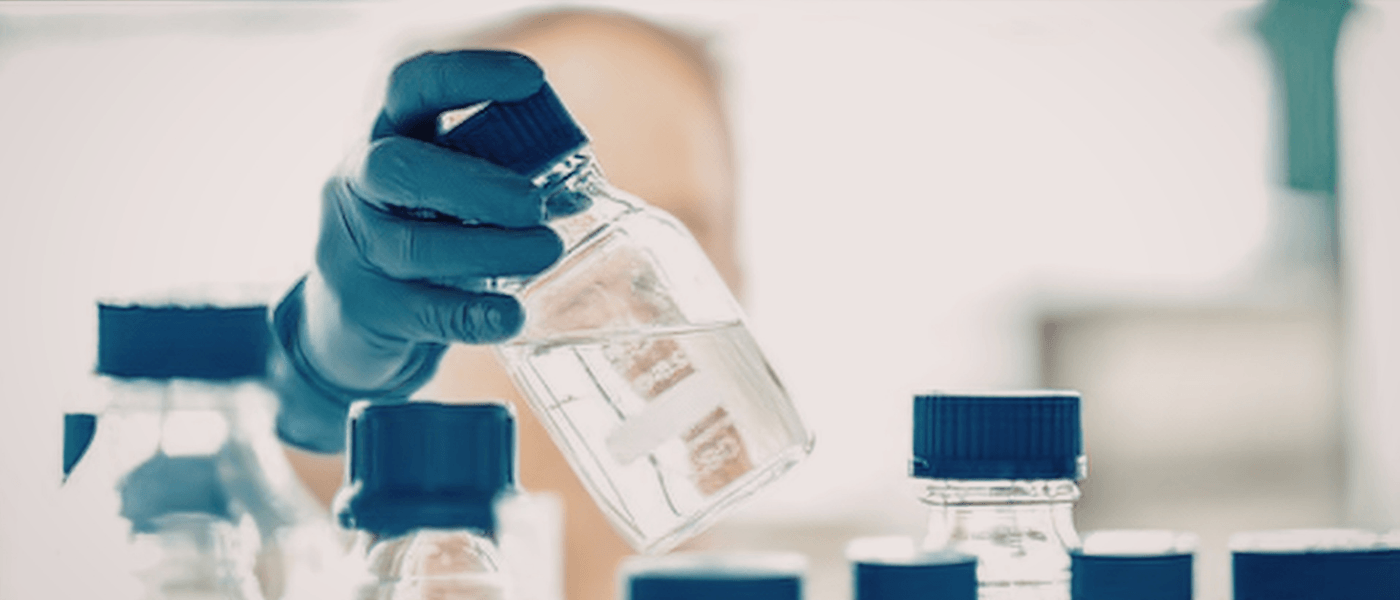
Bacteriostatic Water is a critical component in clinical and laboratory research environments, specifically used as a diluent for reconstituting medications and peptides. Unlike Sterile Water for Injection, Bacteriostatic Water contains 0.9% Benzyl Alcohol, which acts as a bacteriostatic preservative.
This additive is designed to inhibit bacterial growth, allowing the vial to be entered multiple times for up to 28 days. However, the effectiveness of this solution is heavily dependent on environmental conditions and adherence to medical guidelines. Understanding how to store Bacteriostatic Water is paramount to maintaining the integrity of the solution and ensuring patient safety in all research applications.
How Do You Store Bacteriostatic Water
The storage of Bacteriostatic Water requires a highly controlled environment to prevent the degradation of the Benzyl Alcohol and maintain the purity of the diluent. To ensure long-term stability in a professional or research setting, the following seven storage protocols should be strictly observed:
- Maintain Controlled Room Temperature: Keep the vials in a cool, dry place where the temperature is consistently maintained between 20 and 25 degrees Celsius (68 to 77 degrees Fahrenheit).
- Avoid Thermal Fluctuations: Ensure the storage area is away from HVAC vents, windows, or equipment that generates heat, as temperature swings can compromise the preservative.
- Protect from Direct Sunlight: Always store vials in their original cardboard packaging to shield the liquid from ultraviolet rays and photodegradation.
- Ensure a Dry Environment: Select a storage location with low humidity to prevent the growth of mold or fungi on the exterior of the vial or the rubber septum.
- Secure Storage Location: Use a dedicated medical cabinet or professional storage unit that is clean and organized to prevent accidental damage or contamination.
- Minimize Physical Agitation: Store the vials on a stable surface away from heavy machinery or constant vibrations, which can lead to the leaching of chemicals from the stopper.
- Segregation of Supplies: Keep Bacteriostatic Water separate from unsterile materials or non-medical supplies to maintain a high standard of aseptic protocol.
Explore Trusted Peptide Products Designed for Research from PeptidesPlease
When conducting high-level research, the quality of your diluent is only as good as the peptide it reconstitutes. PeptidesPlease provides research-grade peptides at ≥99% purity, manufactured by certified facilities and verified through independent third-party laboratory testing. For those looking for excellence in their laboratory supplies, you can explore trusted peptide products designed for research from PeptidesPlease, ensuring that every stage of your experiment meets professional standards for quality and sterility.
Why Proper Storage of Bacteriostatic Water Matters
Adhering to strict storage guidelines for Bacteriostatic Water is not merely a recommendation; it is a critical safety mandate for clinical and laboratory settings. When environmental controls are ignored, the integrity of the solution is threatened in several specific ways:
- Preservative Sensitivity: The 0.9% Benzyl Alcohol preservative is highly sensitive to thermal fluctuations, which can trigger a premature loss of efficacy.
- Prevention of Bacterial Growth: Proper storage ensures the solution remains "static," meaning it successfully inhibits the replication of microorganisms.
- Prevention of Chemical Breakdown: Extreme heat or cold can cause the chemical structure of the preservative to break down, leaving the water unprotected.
- Data Integrity for Researchers: Inconsistent storage leads to contaminated samples, which can skew experimental data and lead to false results.
- Mitigation of Infection Risks: Maintaining the sterile environment within the vial is the primary defense against causing infections during future applications.
- Maintenance of Reconstitution Quality: Stable storage preserves the water's ability to act as a reliable diluent for sensitive compounds like peptides.
- Adherence to Medical Standards: Proper handling ensures compliance with professional safety protocols, reducing the risk of systemic inflammation or toxicity.
How Storage Affects the Safety of Bacteriostatic Water
The safety and efficacy of Bacteriostatic Water are inextricably linked to its storage conditions. When the solution is handled or stored incorrectly, several physiological and chemical changes can occur, compromising the sterile environment. Below are seven key ways storage impacts safety:
- Bacterial Proliferation: If the Benzyl Alcohol preservative degrades due to heat, the solution loses its ability to inhibit bacterial replication, turning the water into a medium for pathogens.
- pH Instability: Incorrect storage can cause the water's pH to shift, potentially leading to systemic irritation or localized inflammation upon use.
- Uneven Alcohol Concentration: Temperature fluctuations can cause the preservative to become unevenly distributed, leaving portions of the liquid unprotected.
- Formation of Particulates: Sub-visible particulates can form if chemical stability is breached, posing a risk of vascular complications or injection-site reactions.
- Endotoxin Development: If bacteria are allowed to grow, they may produce endotoxins that remain in the solution even if the bacteria themselves are later neutralized.
- Chemical Breakdown of Preservatives: Prolonged exposure to light or heat causes the 0.9% Benzyl Alcohol to break down into toxic byproducts.
- Loss of Vacuum Seal: Rapid temperature changes can cause micro-fractures in the glass or weaken the stopper, allowing unsterile air to bypass the safety margin.
How to Store Bacteriostatic Water after Opening
The management of a vial changes significantly once the sterile seal has been breached. To maintain the effectiveness of the preservative and ensure ongoing sterility during the 28-day usage window, researchers should follow these seven essential storage protocols:
- Immediate Refrigeration: After the initial puncture, the vial should be moved to a refrigerated environment maintained between 2 and 8 degrees Celsius.
- Strict Temperature Control: Consistent refrigeration is necessary to slow down potential microbial kinetics and preserve the chemical integrity of the Benzyl Alcohol.
- Upright Positioning: Always store the vial in an upright position to minimize prolonged contact between the solution and the rubber stopper, which prevents leaching.
- Light Protection: Even after opening, the vial should be returned to its original box or kept in a dark area of the refrigerator to prevent photodegradation.
- Entry Logging: The date of the first puncture must be clearly labeled on the vial to ensure it is discarded exactly 28 days later.
- Septum Sanitization: Before every subsequent entry, the rubber stopper must be thoroughly cleaned with a fresh 70% Isopropyl Alcohol wipe.
- Segregated Storage: Opened vials should be kept in a dedicated medical storage area, separate from food or unsterile laboratory samples, to prevent cross-contamination.
How to Store Unopened Bacteriostatic Water
While unopened vials are factory-sealed in a vacuum-pressured environment, their long-term stability depends on proper environmental management. To ensure the solution remains viable until its printed expiration date, follow these seven storage guidelines:
- Controlled Room Temperature: Store unopened vials in a stable climate, ideally between 20 and 25 degrees Celsius, to prevent chemical degradation.
- Utilize Original Packaging: Keep vials in their original cardboard containers to provide a secondary layer of protection against accidental impacts.
- Total Darkness: Store the containers in a dark cabinet or medical locker to shield the Benzyl Alcohol from harmful UV rays and photodegradation.
- Moisture Prevention: Select a dry storage location to prevent external humidity from damaging the label or the integrity of the plastic flip-cap seal.
- Vibration Mitigation: Ensure the storage unit is stable and away from heavy machinery to avoid microscopic leaching from the rubber stopper.
- Avoid Vehicle Storage: Never leave vials in vehicles or non-insulated areas where rapid temperature spikes can cause the glass to expand or the seal to fail.
- Inventory Rotation: Practice a "first-in, first-out" system to ensure that older stock is used before reaching its expiration date.
How to Tell if Bacteriostatic Water Was Stored Improperly
Visual inspection is the first line of defense in identifying compromised Bacteriostatic Water. Before using any vial, researchers should conduct a thorough physical examination for these seven indicators of improper storage:
- Turbidity and Cloudiness: Any lack of clarity or the presence of "floaties" suggests either bacterial contamination or chemical precipitation of the preservative.
- Discoloration: The water must remain crystal clear; a yellowish, brownish, or pinkish tint is a definitive sign of oxidation or extreme heat damage.
- Internal Crystallization: Shards or crystals inside the vial indicate the water was likely frozen, which disrupts the chemical stability of the solution.
- Moisture at the Rim: Wetness around the rubber stopper suggests a breach in the vacuum seal, meaning the sterile environment has been compromised.
- Visible Particulates: The presence of sub-visible or visible sediment indicates the leaching of chemicals from the stopper or the breakdown of the 0.9% Benzyl Alcohol.
- Compromised Flip-Cap: A loose or missing plastic cap on an unopened vial indicates that the sterile septum has been exposed to environmental contaminants.
- Fungal Growth on Exterior: Mold or mildew on the label or glass, often caused by high humidity, poses a significant risk of introducing pathogens during needle entry.
If any of these signs are present, the vial must be marked for disposal immediately and discarded in a sharps or biohazard container.
Factors that Impact Bacteriostatic Water Storage
Several environmental variables can accelerate the expiry date of your Bacteriostatic Water:
- Light: Ultraviolet rays can catalyze chemical reactions within the preservative.
- Temperature: High heat accelerates the degradation of the Benzyl Alcohol, while freezing can cause the glass to expand and lose its seal.
- Careful Handling: Constant movement or vibration can lead to the leaching of chemicals from the rubber stopper into the diluent.
- Humidity: Excessive moisture can lead to fungal growth on the exterior of the vial, which can be introduced into the sterile water during needle entry.
How Improper Storage Can Affect Bacteriostatic Water
Improper storage conditions can have far-reaching consequences beyond simple contamination. When the environmental parameters are not met, the following seven impacts can occur, affecting both the product's lifespan and its performance:
- Shortened Use-Life: The 28-day safety window is predicated on ideal storage; poor conditions can make the water unsafe within hours or days of opening.
- Peptide Denaturation: If the pH shifts due to heat exposure, it may cause reconstituted peptides to denature or lose their biological potency prematurely.
- Reduced Medication Efficacy: Degraded preservatives can alter the effectiveness of the pharmaceutical agents the water is intended to dilute.
- Increased Risk of Infection: Compromised water used in biological contexts can cause localized abscesses or systemic inflammatory responses.
- Wasted Research Resources: Experimental outcomes can fail due to unstable diluents, resulting in the loss of expensive laboratory supplies and time.
- Data Skewing: Inconsistent water quality can lead to variable results in research, making it difficult to achieve reproducible data.
- Accelerated Expiration: Vials stored in high-heat environments may expire chemically long before the date printed on the label by the manufacturer.
Find Reliable Peptide Products for Research at PeptidesPlease
Precision in research requires precision in sourcing. PeptidesPlease is committed to delivering the highest quality research compounds with exceptional customer service that sets the industry standard. Our peptides are ≥99% pure, manufactured by certified facilities, and verified through independent third-party laboratory testing.
To ensure your laboratory is equipped with the best, you can find reliable peptide products for research at PeptidesPlease, a source dedicated to providing high-grade materials that meet USP standards for the scientific community. With reliable shipping, rigorous quality control, and dedicated support, we serve the research community with integrity and confidence.
Frequently Asked Questions
How do you store Bacteriostatic Water?
For long-term stability prior to use, store Bacteriostatic Water at a controlled room temperature, ideally between 20 and 25 degrees Celsius. It is essential to keep the vials in a dark environment, such as a drawer or cabinet, to prevent light from affecting the 0.9% Benzyl Alcohol. Environments with fluctuating temperatures should be strictly avoided to ensure the chemical composition remains stable until the time of diluting medications.
How to store leftover Bacteriostatic Water?
Leftover water should always remain within its original glass vial to maintain the sterile barrier and vacuum seal. Immediately following the initial draw, label the vial clearly with the opening date and the calculated discard date. The vial should then be refrigerated. It is vital to store the vial in a stable, upright position to prevent prolonged contact between the solution and the rubber stopper. Ensure the storage area is clean and segregated from unsterile items to prevent contamination.
How to store Bacteriostatic Water once opened?
Once the integrity of the vial has been breached, the gold standard for storage is refrigeration. Keeping refrigerated Bacteriostatic Water at a constant temperature of 2 to 8 degrees Celsius significantly reduces the risk of bacterial growth. Researchers must strictly adhere to the 28-day disposal rule as specified by the manufacturer. Always use aseptic technique and wipe the rubber stopper with alcohol before drawing a dose to maintain sterility and ensure the quality of the diluent is not compromised.
Where should bacteriostatic water be stored for maximum stability?
Store bacteriostatic water in a cool, dark location away from direct sunlight; avoid freezing, as freezing can compromise the vial seal and benzyl alcohol balance.
Summary
The storage of Bacteriostatic Water is a fundamental pillar of laboratory safety and pharmaceutical effectiveness. By maintaining controlled temperatures, shielding vials from direct sunlight, and adhering to strict refrigeration protocols for opened vials, healthcare professionals can ensure the safety and reliability of their solutions.
Always perform a visual check before use and never exceed the expiry date or the 28-day limit once a vial has been accessed. Proper management of these diluents protects both the integrity of the research and the safety of the application.