Nicotinamide Adenine Dinucleotide (NAD+) is a vital coenzyme found in every cell of the body, involved in hundreds of metabolic processes. In research and clinical settings, maintaining the integrity of this molecule is paramount for supporting cellular health and mitochondrial function.
Because Nicotinamide Adenine Dinucleotide NAD+ is chemically unstable in liquid form over long periods, it is typically handled in a lyophilized (freeze-dried) state. Understanding how to reconstitute NAD+ and the precise methodology for restoration is essential for ensuring the efficacy of the compound during laboratory investigations into cellular metabolism and DNA repair.
What Reconstituting NAD+ Means
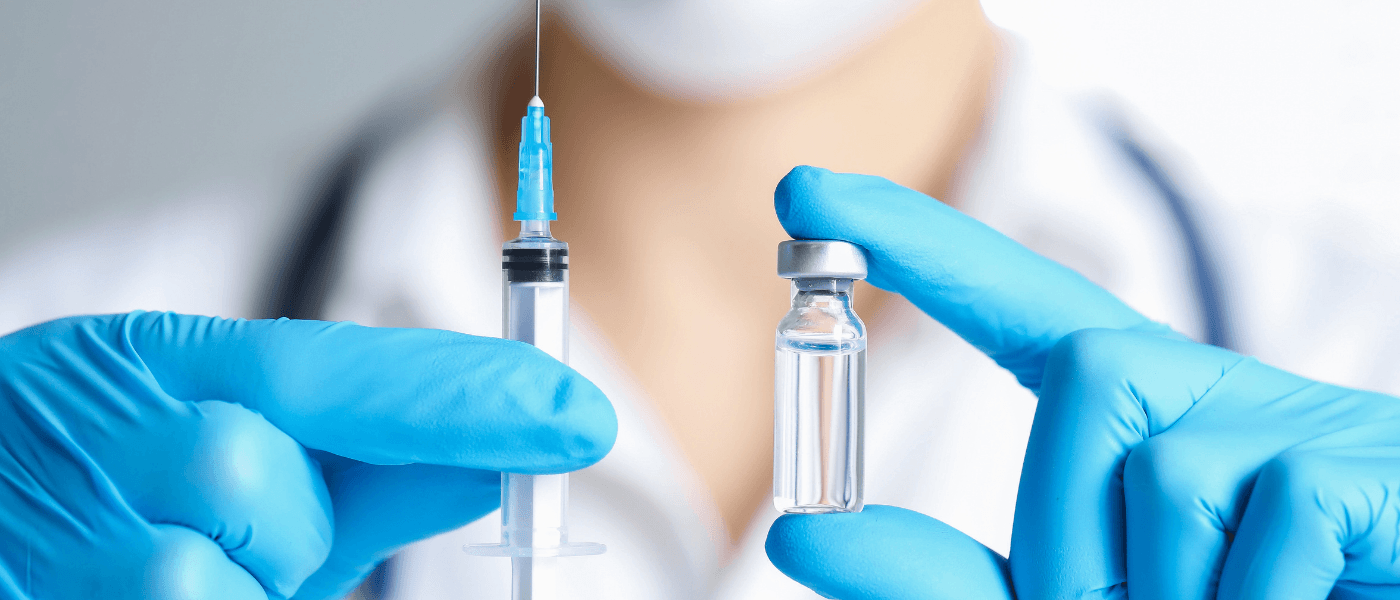
Reconstitution is the process of adding a specific volume of liquid solvent, known as a diluent, to a dry, powdered substance to return it to a liquid state. For NAD+, this involves transitioning the lyophilized powder into a homogenous NAD+ solution that can be accurately measured and administered in a research setting.
This process must be performed under sterile conditions to prevent contamination and ensure that the molecular structure remains intact, supporting essential cell function and cellular energy metabolism.
Why NAD+ Comes in Powder Form
Lyophilization is a sophisticated dehydration process that allows for the long-term stabilization of sensitive biological molecules. For researchers, receiving NAD+ in this powdered state is a technical necessity to prevent the degradation that occurs almost immediately in an aqueous environment.
The following seven points outline why this form is the industry standard for maintaining metabolic integrity:
- Prevention of Hydrolysis: NAD+ is highly susceptible to hydrolysis when exposed to moisture in a liquid state, which leads to the rapid breakdown of its molecular structure.
- Protection From Oxidation: In powder form, the coenzyme has a reduced surface area exposed to oxygen, significantly lowering the risk of oxidative damage.
- Enhanced Thermal Stability: Lyophilized powder is much less sensitive to temperature fluctuations than an aqueous solution, making it safer for transport across varying climates.
- Extended Shelf Life: The freeze-drying process removes water while the compound is frozen under a vacuum, resulting in a stable product that can be stored for years rather than days.
- Preservation of Bioactivity: By maintaining a solid state, the molecule remains in a "dormant" yet potent condition, ensuring it is fully active for studies on metabolic pathways and cellular energy production.
- Reduced Risk Of Microbial Growth: Without a moisture-rich environment, the powder form is naturally resistant to the proliferation of bacteria or fungi during storage.
- Protection Against Light Sensitivity: A solid "cake" of lyophilized powder provides better structural integrity against photodegradation compared to a transparent liquid solution.
Explore Trusted Peptide Products Designed for Research from Peptides Please
When conducting high-level research, the quality of your starting material is the most significant variable for observing potential benefits in animal models or clinical trials. Peptides Please provides research-grade peptides at ≥99% purity, manufactured by certified facilities and verified through independent third-party laboratory testing.
Utilizing these highly purified compounds ensures that your data regarding energy production and cell survival remains consistent and reproducible. We are committed to delivering the highest quality research compounds with exceptional customer service that sets the industry standard.
With reliable shipping, rigorous quality control, and dedicated support, we serve the research community with integrity and confidence.
Supplies Needed to Reconstitute NAD+
To perform a professional reconstitution, you will require the following seven sterile supplies:
- Vial Of Lyophilized Nicotinamide Adenine Dinucleotide: This is the primary research compound provided in a high-purity, freeze-dried state to ensure maximum stability and shelf life before the laboratory session begins.
- Vial of Bacteriostatic Water: This is the preferred diluent for multi-use vials as it contains 0.9% benzyl alcohol, which serves as a preservative to effectively inhibit the growth of bacteria and other microorganisms.
- Alcohol Swabs: These 70% Isopropyl alcohol pads are critical for the thorough sanitization of work surfaces, vial stoppers, and skin to maintain a strictly sterile environment during the mixing process.
- Sterile Syringe: A high-precision medical instrument, typically with a 3ml to 10ml capacity, utilized for the accurate measurement and transfer of the diluent and the final reconstituted solution.
- Low-Gauge Needles: These specialized needles are engineered for the easy drawing of diluents and the controlled injection into the vial, helping to manage internal pressure and prevent splash-back.
- Gloves and PPE: Essential protective gear, including nitrile gloves, is used to establish a sterile field and safeguard the integrity of the sample by preventing human-sourced cross-contamination.
- Sharps Container: A puncture-resistant and biohazardous-labeled disposal unit is mandatory for the safe management and legal disposal of used needles and syringes following the procedure.
What Type of Water to Use for NAD+
The gold standard for reconstitution is bacteriostatic water. This is sterile water containing 0.9% benzyl alcohol, which acts as a preservative to inhibit the growth of bacteria. This is particularly important if the vial will be accessed multiple times for a maintenance dose.
While Sterile Water for Injection (SWFI) can be used, it lacks a bacteriostatic agent, meaning the solution must generally be used immediately. Using the correct diluent is vital for maintaining metabolic homeostasis throughout the study period.
How to Reconstitute NAD+ 100mg
For a 100mg vial of NAD+, the goal is often to create a concentration that allows for a precise NAD+ dosage while maintaining the stability of the coenzyme. The process requires these seven critical steps:
- Workspace Preparation: Thoroughly clean your work area with a disinfectant to ensure a sterile environment for the handling of sensitive biochemical compounds.
- Sanitize Vial Stoppers: Use fresh alcohol swabs to vigorously clean the rubber stoppers of both the NAD+ vial and the diluent vial to eliminate surface microbes.
- Air Displacement: Draw an amount of air into your syringe equal to the amount of water you plan to withdraw, then inject this air into the water vial to equalize pressure.
- Draw The Diluent: Withdraw between 1ml and 2ml of bacteriostatic water into your sterile syringe, carefully checking the volume marker for precise measurement.
- Slowly Inject Liquid: Insert the needle at an angle and inject the water very slowly into the 100mg vial, aiming for the glass wall to protect the lyophilized structure.
- Natural Saturation: Allow the vial to rest for several minutes without shaking, permitting the liquid to naturally permeate the powder for a stable solution.
- Calculate Final Potency: Verify your final concentration; 1ml of diluent creates a 100mg/ml solution, while 2ml results in a 50mg/ml solution for customized research needs.
How to Reconstitute NAD+ 500mg
A 500mg vial requires a larger volume of diluent to ensure the powder dissolves completely without impacting mitochondrial health or causing precipitation of the active compound.
- Disinfect The Field: Maintain a sterile field by disinfecting all work surfaces and the specific injection site on the vial stopper with 70% isopropyl alcohol.
- Needle Inspection: Ensure your needle is securely attached and the packaging was intact to guarantee sterility before entering the vials.
- Measure 5ml Of Water: Draw exactly 5ml of bacteriostatic water into an appropriately sized sterile syringe, ensuring there are no air bubbles that could affect volume accuracy.
- Controlled Introduction: Slowly introduce the liquid into the vial in a controlled manner, which supports proper cellular repair processes by preventing molecular degradation.
- Pressure Management: If resistance is felt, pause the injection to allow the internal pressure to stabilize, protecting the rubber seal of the vial.
- Allow for Saturation: Allow the vial to sit undisturbed for several minutes; the larger mass of lyophilized powder may take longer to reach full saturation for metabolic studies.
- Verify Final Concentration: Confirm the solution is transparent and free of sediment, resulting in a 100mg/ml concentration, the standard for advanced metabolic research.
How to Reconstitute NAD+ 1000mg
Handling a 1000mg (1 gram) vial requires a high degree of patience and technical precision to ensure proper energy metabolism in the resulting high-volume solution.
- Inventory Check: Confirm you have a large enough syringe (10ml or greater) to handle the full volume of diluent required for a single-pass reconstitution.
- Measure 10ml of Diluent: Carefully draw 10ml of bacteriostatic water into your large sterile syringe, checking the meniscus for a perfectly accurate measurement.
- Equalize Vial Pressure: Gently inject the water into the vial. Because of the high volume, you may need to vent the vial with a separate needle to allow displaced air to escape.
- Side-Wall Technique: Direct the liquid flow against the side of the glass vial to prevent the "water-hammer" effect from damaging the concentrated coenzyme powder.
- Natural Clearing Process: Wait for the solution to clear naturally without intervention; this gradual process is essential for preserving the redox reactions of the coenzyme.
- Solution Inspection: Hold the vial up to a light source to ensure there are no un-dissolved crystals clinging to the glass or the underside of the stopper.
- Standardize The Solution: This creates a standard 100mg/ml solution, providing a significant reserve for larger research studies or long-term maintenance protocols.
How to Reconstitute NAD+ Peptide
While NAD+ is technically a coenzyme rather than a traditional peptide, the protocol remains the industry standard for handling sensitive biological chains.
- The Gentle Touch: This process emphasizes "the gentle touch," which is paramount for preventing molecular denaturation and ensuring the compound's effectiveness.
- Avoid Mechanical Stress: You should never shake the vial, as the mechanical stress can degrade the molecular bonds and negatively impact cellular stress responses.
- Palming Technique: Instead, swirl the vial gently between your palms or leave it on a flat surface until the solution is clear and colorless.
- Temperature Awareness: Ensure the bacteriostatic water is at room temperature before mixing, as extreme cold can slow the dissolution of the "peptide-like" structure.
- Foam Prevention: By injecting slowly, you prevent the creation of air bubbles that can trap active molecules and make accurate dosing difficult.
- Purity Preservation: Maintain the vial in an upright position during the entire dissolution process to ensure no liquid is trapped in the stopper crevices.
- Final Transparency Check: Confirm that the liquid has reached a state of total clarity, indicating that the coenzyme is fully bioavailable for research applications.
How to Reconstitute Lyophilized NAD+
Lyophilized powder often looks like a solid "puck" or a collection of small crystals at the bottom of the vial, requiring specific care during the initial liquid contact.
- Identify Powder State: Lyophilized powder often looks like a solid "puck" at the bottom of the vial, which requires slow saturation to dissolve properly without clumping.
- Manage Internal Vacuum: When adding the diluent, the vacuum seal inside the vial may attempt to pull the liquid in rapidly; you must maintain firm control over the plunger.
- Prevent Excessive Foaming: Rapid entry can cause significant foaming and "bubbling," which makes it difficult to draw accurate measurements and can damage the powder.
- Gradual Saturation: Watch as the liquid wicks into the powder cake; allowing it to soak from the bottom up ensures a more homogenous final solution.
- Monitor Dissolution Time: Lyophilized products can vary in density; do not attempt to speed up the process by stirring or heating the vial.
- Verify Solubility: Once the powder has disappeared, gently tilt the vial to ensure no hidden "dry spots" remain at the base of the glass.
- Post-Mixing Rest: Allow the solution to sit for 60 seconds after it appears clear to ensure the molecular structure has fully stabilized in its new aqueous environment.
How Much BAC Water to Reconstitute NAD+ 500mg
The volume of Bacteriostatic (BAC) water required for a 500mg vial depends heavily on the specific objectives of the research protocol and the desired concentration for the subcutaneous route. The most common research standard for 500mg is 5ml of diluent, which provides a concentration of 100mg per 1ml. This ratio is frequently selected because it allows for easy measurement of standard doses.
However, some researchers may opt for a more dilute solution, such as 10ml of water, to allow for finer incremental control over a starting dose or to enhance absorption during studies on metabolic health and insulin sensitivity. Using the appropriate volume ensures the coenzyme is fully dissolved without overwhelming the delicate chemical bonds.
How Much BAC Water to Reconstitute NAD+ 1000mg
For a 1000mg (1 gram) vial, 10ml of Bacteriostatic (BAC) water is the standard recommendation to maintain a consistent 100mg/ml ratio across different vial sizes. If the physical vial size is too small to accommodate the full 10ml, the concentration must be strategically increased by using a smaller volume of water, such as 5ml, resulting in a potent 200mg/ml solution.
Careful calculation is necessary when working with these higher concentrations to ensure the solution remains optimized for muscle recovery, cognitive function, and cellular energy investigations. Researchers must also consider that a higher concentration may take longer to achieve full molecular saturation and transparency.
What Reconstituted NAD+ Should Look Like
Once the reconstitution process is successfully completed, the resulting solution should be perfectly clear, colorless, and free of any suspended material. Visually, it should be indistinguishable from plain water or sterile saline. There should be absolutely no visible particulates, cloudiness, or "floaters" within the vial.
Achieving a clear solution is a non-negotiable requirement for ensuring the coenzyme is at the correct levels for clinical studies or animal research models. If the solution remains cloudy or displays a milky appearance, it may indicate a failure in the precise mechanisms of dissolution or that the coenzyme has begun to degrade, rendering it unsuitable for advanced metabolic pathways research.
When Not to Use Reconstituted NAD+
The safety and efficacy of research depend on using a pristine solution. Discard the vial and do not use the solution if any of these seven conditions are met:
- Visible Cloudiness or Turbidity: If the liquid remains opaque or milky after reconstitution, it indicates that the powder has not correctly dissolved or that chemical degradation has occurred.
- Presence Of Un-dissolved Particulates: Do not use the solution if you observe flakes, crystals, or sediment that will not disappear after gentle swirling, as these can cause severe tissue irritation.
- Unexpected Discoloration: The solution should be as clear as water; any yellowing, browning, or tinting is a sign of oxidation or poor genomic stability in the sample.
- Exposure to Room Temperature: Discard the solution if it has been left at room temperature for an extended period, as NAD+ degrades rapidly when not maintained in a refrigerated state.
- Passed Expiration Or Beyond-Use Date: Always check the dates provided by the manufacturer or your laboratory protocol, as the coenzyme loses its metabolic potency over time.
- Compromised Vial Integrity: If the rubber stopper is torn, the vacuum was missing during reconstitution, or the metal seal was loose, the solution may no longer be sterile.
- Signs of Microbial Contamination: If there is any film, growth, or unusual odor, the solution must be disposed of immediately in a biohazard container to prevent adverse reactions.
Find Reliable Peptide Products for Research at Peptides Please
Sourcing is the foundation of scientific integrity. Using high-grade NAD+ ensures that your research into addiction treatment or stress management yields a stable, effective solution. For those in the research community, finding a partner like Peptides Please—which prioritizes proper storage, stability, and ≥99% purity—is essential for achieving accurate results in aging neuroscience and metabolic health.
Frequently Asked Questions
How to reconstitute NAD+ powder?
The process begins with meticulous sanitization of the work environment and the vial stoppers. Once sanitized, use a sterile syringe to draw the precise volume of bacteriostatic water required for your specific concentration. Insert the needle into the vial at a slight angle and inject the diluent slowly down the interior glass wall.
This prevents the liquid from slamming directly into the lyophilized powder, which can cause excessive foaming or molecular denaturation. Allow the vial to rest undisturbed until the solid "cake" has completely transitioned into a crystal-clear liquid to support optimal cellular energy production.
Can NAD+ be reconstituted with saline?
Yes, Normal Saline (0.9% Sodium Chloride) can be used as a diluent, particularly for a short-term IV infusion or immediate clinical applications. However, it lacks the preservative properties found in bacteriostatic water.
Saline is generally advised only when the solution will be used immediately for an IV drip. If the reconstituted solution is intended for multi-day use, saline may not offer sufficient protection against bacterial growth once the vial's seal has been breached, potentially leading to adverse reactions.
Should NAD+ be refrigerated after reconstituting?
Absolute temperature control is mandatory once the coenzyme is in a liquid state. To preserve the coenzyme's integrity and prevent the pathways associated with cellular aging, the reconstituted vial must be stored in a medical-grade refrigerator at temperatures between $2^\circ\text{C}$ and $8^\circ\text{C}$.
Proper storage is significantly more effective at slowing hydrolysis than keeping the solution at controlled room temperature, which can lead to rapid degradation of the active molecules within days.
Can NAD+ be reconstituted with normal saline?
While possible, it is not the preferred choice for a long-term maintenance schedule in a research or multi-dose context. Normal saline does not contain benzyl alcohol and therefore cannot inhibit the growth of opportunistic bacteria over time.
For studies investigating chronic administration via subcutaneous injections, bacteriostatic water is the strictly recommended standard to avoid the risk of contamination, tissue irritation, and potential adverse effects at the injection site.
What should you not mix with NAD+?
NAD+ is chemically sensitive to pH fluctuations and should not be mixed with highly acidic or strongly alkaline substances, as these environments will trigger immediate chemical breakdown.
It is also a best practice in cellular health research not to mix NAD+ in the same syringe with oral supplements, other peptides, or unrelated medications unless a pilot study investigating chemical compatibility has been conducted by a qualified medical team. Unintended interactions can lead to precipitation or a complete loss of coenzyme potency.
How to reconstitute NAD+ 500 mg?
Inject exactly 5ml of bacteriostatic water into the 500mg vial to achieve a standardized 100mg/ml concentration. This is a typical dosage concentration used to assess tolerance in various animal models or research subjects before moving to a higher maintenance dose. Always ensure the powder is fully dissolved and the liquid is transparent before withdrawing the solution for use.
How to reconstitute NAD+ 100?
Add 1ml to 2ml of diluent to the 100mg vial using a sterile syringe. This smaller volume creates a more concentrated solution often used as a starting dose in pilot studies looking at mental clarity, cognitive function, and early-stage metabolic health markers. Be particularly careful to inject the diluent slowly, as the smaller air space in the vial can lead to faster pressure changes.
How to reconstitute NAD+ 1000mg?
Use 10ml of bacteriostatic water for a 1g vial. Ensure you use a large enough syringe (10ml or larger) and maintain strict sterile technique throughout. Because of the volume of liquid, you should use a venting needle or carefully manage the internal pressure to ensure the solution is safe for high-level research into metabolic health and longevity. The larger quantity of powder may require more time to reach full saturation; do not rush this process.
How to prepare for NAD+ infusion?
Preparation involves first reconstituting the lyophilized powder into a concentrated NAD+ solution and then adding the calculated dose to a larger infusion bag, typically containing 250ml to 500ml of saline or dextrose.
This method is often utilized in studies regarding addiction treatment and stress management to ensure a controlled, steady delivery of the coenzyme into the system over several hours, which helps minimize potential side effects.
How to reconstitute NAD+ peptide?
Follow the same gentle, highly controlled procedure used for other sensitive biological molecules and laboratory peptides. Prioritize a second very slow injection rate and avoid any shaking or vigorous movement to protect the coenzyme's role in cellular metabolism and DNA repair. The goal is to minimize mechanical shear forces that could compromise the molecular stability of the Nicotinamide Adenine Dinucleotide.
How to reconstitute NAD+ powder?
The overarching rule for handling this vital coenzyme is "slow and sterile." From the initial sanitization with alcohol swabs to the final placement in cold storage, every step must be executed with precision. Ensure the final solution is transparent and stored correctly to maintain its effectiveness in supporting cell metabolism and longevity throughout the duration of your study.
How do you reconstitute lyophilized NAD+ powder for research injection?
Inject bacteriostatic water or sterile saline slowly into the lyophilized NAD+ vial, roll gently to dissolve, and keep refrigerated protected from light.
Summary
Reconstituting NAD+ is a straightforward but precise task that requires a sterile environment. By using bacteriostatic water and avoiding mechanical stress, researchers can ensure the coenzyme remains bioavailable for subcutaneous injections or other delivery methods. Proper storage and consulting with a healthcare provider or medical team regarding safety data are the final steps in maintaining the high standards required for NAD+ research.
Special care should be taken with pregnant women or individuals with a known allergy to any components to avoid allergic reactions. Studies suggest that when handled correctly, NAD+ supports longevity and improves mitochondrial function across various research models.