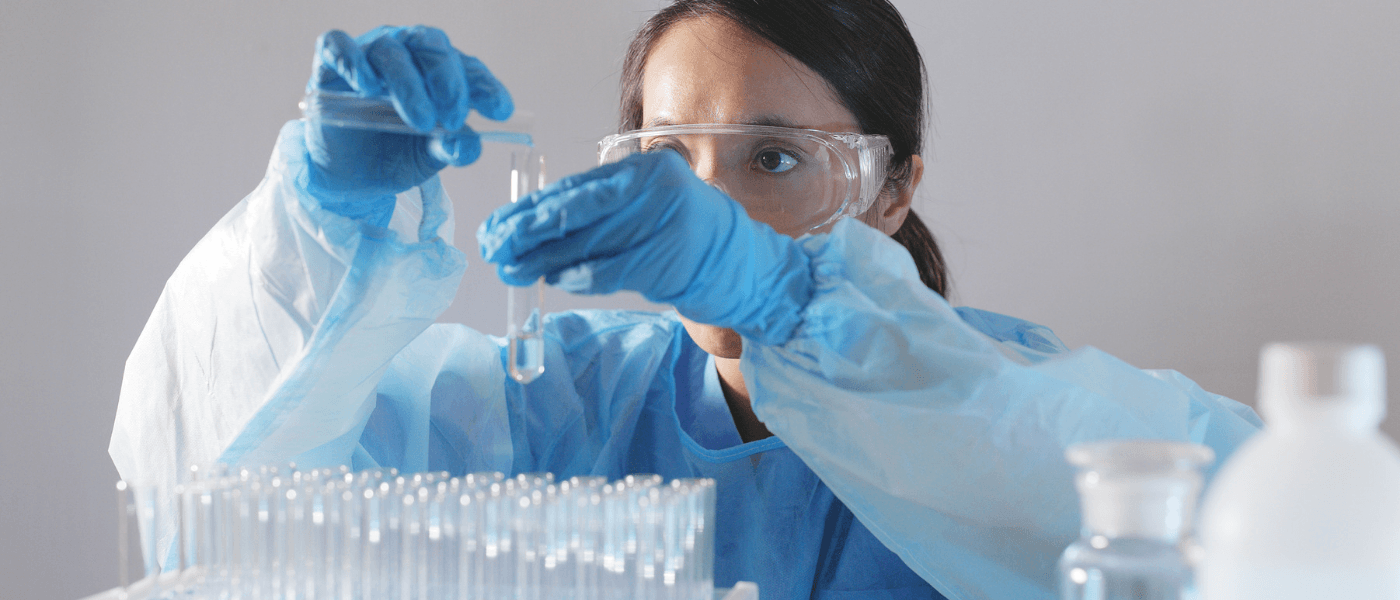
Bacteriostatic Water is a highly specialized preparation of sterile water containing a preservative—typically 0.9% Benzyl Alcohol. Its primary function in clinical and research settings is to serve as a diluent for multi-dose vials. The presence of the bacteriostatic agent acts to inhibit bacterial growth, allowing the solution to be accessed multiple times within a 28-day shelf life.
Understanding the complexities of its composition is vital for maintaining the integrity of sensitive compounds, such as peptides and proteins, used in laboratory environments. While it is a common solvent for medications, choosing Bacteriostatic Water over other sterile solutions requires a clear understanding of the patient population and the specific drugs being dissolved.
DIY Bacteriostatic Water: Is it Possible?
Technically, the process for how to make Bacteriostatic Water is straightforward: it is a mixture of Sterile Water for Injection and a specific concentration of alcohol. While the formula is public knowledge, the possibility of making it safely outside of a controlled environment is a point of significant medical debate.
Achieving the exact 0.9% concentration of Benzyl Alcohol requires precision instruments and a sterile field that prevents the introduction of pyrogens or particulate matter. While an individual may possess the ingredients, replicating the USP standards for purity and sterility in a non-certified setting is virtually impossible.
Any error in the preparation can lead to bacterial contamination, which poses a significant risk when the liquid is injected into the body.
Explore Trusted Peptide Products Designed for Research from PeptidesPlease
When conducting high-level biochemical research, the quality of your diluent is just as critical as the quality of the peptides themselves. For researchers looking for consistent results, utilizing professional-grade supplies is the only way to ensure experimental data is not skewed by impurities. PeptidesPlease provides research-grade peptides at ≥99% purity, manufactured by certified facilities and verified through independent third-party laboratory testing.
We are committed to delivering the highest quality research compounds with exceptional customer service that sets the industry standard. With reliable shipping, rigorous quality control, and dedicated support, we serve the research community with integrity and confidence.
How Bacteriostatic Water is Made: Understanding Production and Manufacturing Standards
The industrial creation of Bacteriostatic Water requires a highly controlled environment to ensure the final product meets stringent safety profiles. Pharmaceutical manufacturers follow a multi-step sequence to guarantee both the chemical stability and the biological safety of the solution:
- Water Purification: Utilizing distillation or reverse osmosis to achieve Water for Injection (WFI) standards. This rigorous process ensures the source is entirely free of minerals, organic chemicals, and debris.
- Microbial Elimination: The purified water is processed to be completely free of all microorganisms before any additives are introduced. This step is critical to ensure that no latent bacteria remain in the solvent base.
- Primary Filtration: Passing the water through 0.22-micron filters to remove any remaining microscopic bacteria or suspended particles. This mechanical barrier provides an additional layer of security against contamination before compounding begins.
- Compounding: Integrating the Benzyl Alcohol preservative with precise automated measuring under an inert atmosphere. The use of an inert environment prevents oxidation and ensures the preservative remains chemically active.
- Aseptic Filling: Transferring the solution into pyrogen-free, vacuum-sealed glass vials within an ISO Class 5 cleanroom environment. Specialized machinery is used to prevent the introduction of airborne particulates during the bottling stage.
- Terminal Sterilization: Subjecting the sealed vials to autoclaving or specialized gamma irradiation to achieve a Sterility Assurance Level (SAL) of 10-6. This final sterilization step ensures that even the interior of the sealed container is biologically inert.
- Quality Control Testing: Performing lot-specific incubation and HPLC analysis to verify the preservative concentration and ensure no bacterial growth occurs over time. These tests are conducted over several weeks to guarantee the product's safety throughout its shelf life.
These major manufacturing differences ensure the product is safe for repeated withdrawals.
How to Make Bacteriostatic Water for Injection
The preparation of Bacteriostatic Water for Injection is a high-precision procedure that must meet USP standards to be considered safe for medical use. The following steps outline the technical requirements typically followed in a professional laboratory setting:
- Procurement of USP Grade Water: Begin with high-purity, USP-grade Sterile Water for Injection as the base solvent.
- Precise Alcohol Calculation: Measure Benzyl Alcohol with extreme accuracy to ensure a final concentration of exactly 0.9%.
- Micropipette Addition: Use calibrated micropipettes to add precisely 0.09ml of Benzyl Alcohol for every 10ml of sterile water.
- Homogenization: Thoroughly mix the solution to ensure the preservative is evenly dispersed throughout the water.
- Sterile Syringe Filtration: Pass the mixed solution through a 0.22-micron sterile syringe filter to eliminate any particulates introduced during compounding.
- Vial Transfer: Aseptically transfer the filtered liquid into a pre-sterilized, vacuum-sealed, and pyrogen-free vial.
- Chain of Sterility Verification: Confirm that every tool and surface used in the process remained sterile to ensure the final product is medical-grade.
For most individuals, these technical requirements and the necessary equipment remain far beyond reach.
How to Make Your Own Bacteriostatic Water at Work
In a professional clinical pharmacy or laboratory workspace, creating Bacteriostatic Water is a standardized task that relies on specialized environmental controls. The workflow follows a rigorous protocol to ensure uniform distribution of the antimicrobial agent:
- ISO Class 5 Preparation: Conduct all mixing within a Laminar Flow Hood to maintain an ISO Class 5 particulate-free environment.
- Surface Sanitization: Thoroughly sanitize all entry points and work surfaces with 70% Isopropyl Alcohol before starting.
- Analytical Weighing: Use high-precision analytical balances to ensure the Benzyl Alcohol is measured to the exact required mass.
- Sterile Instrument Use: Employ only single-use sterile syringes and disposable needles to prevent cross-contamination.
- Component Integration: Gently combine the preservative with the water to ensure even dispersion without introducing excessive air.
- pH Verification: Test the final solution to confirm the pH levels fall strictly between 4.5 and 7.0.
- Chemical Stability Check: Verify that the resulting solution will not degrade the specific medications intended for reconstitution.
This meticulous maintenance is necessary to prevent bacterial contamination and inhibit bacterial growth effectively when the final product is administered.
How to Make Bacteriostatic Water at Home
Making Bacteriostatic Water at home is highly discouraged due to the extreme risks associated with non-sterile environments. If an individual were to theoretically attempt this process, they would face several insurmountable technical hurdles:
- Ingredient Sourcing: One would need to obtain authenticated USP-grade Benzyl Alcohol and USP-grade distilled water.
- Environmental Sterilization: Attempting to create a temporary clean field in a home kitchen using high-strength disinfectants.
- Heat Treatment Limitations: Recognizing that simple boiling is insufficient to eliminate many household contaminating bacteria.
- Precise Ratio Mixing: Calculating the 0.9% mixture without the aid of professional-grade micropipettes or balances.
- Aseptic Transfer: Moving the mixture into a container without exposing it to airborne particulates or fungal spores.
- Endotoxin Management: Facing the nearly 100% risk of introducing toxic bacterial cell wall fragments (endotoxins).
- Safety Verification Absence: Proceeding without any way to test the batch for pyrogens or long-term microbial inhibition.
Because a home environment lacks a certified cleanroom, the final mixture often leads to severe bacterial infections or dangerous inflammatory reactions upon injection.
DIY Bacteriostatic Water vs Conventional Bacteriostatic Water
| Feature | DIY Preparation | Conventional (Commercial) |
| Sterility Assurance | Low/Unverified | $0{-6} (Pharmaceutical Grade) |
| pH Stability | Variable | Highly Regulated |
| Pyrogen Content | Risk of Endotoxins | Tested & Pyrogen-Free |
| Preservative Accuracy | Prone to human error | Automated precision |
Conventional Bacteriostatic Water undergoes lot testing, where samples from every batch are incubated to ensure no growth occurs. DIY versions lack this critical safety verification. There is a vast difference in the reliability of these two sources when considering safe use for patients.
Why is Bacteriostatic Water Made Commercially by Manufacturers Instead of DIY?
Commercial manufacturing of Bacteriostatic Water is driven by the need for absolute safety, precision, and compliance with federal health regulations. The following factors explain why professional facilities are necessary for the production of this medical diluent:
- Analytical Purity Verification: Manufacturers utilize High-Pressure Liquid Chromatography (HPLC) and mass spectrometry to confirm the 99.9 purity of all chemical reagents. This advanced analytical testing ensures that no heavy metals or chemical impurities compromise the final solution.
- Biofilm Prevention: Facilities employ sophisticated Clean-In-Place (CIP) systems that use pressurized steam and chemicals to prevent the development of bacterial biofilms in mixing vats. Maintaining these systems is the only way to ensure that the production line remains biologically inert over thousands of cycles.
- Environmental Control Costs: The capital investment required for ISO-certified cleanrooms and specialized HVAC filtration systems reaches into the hundreds of thousands of dollars. These systems must be continuously monitored and validated to ensure the air quality never drops below medical standards.
- Water Quality Guarantees: Commercial labs can consistently produce water that meets the "Water for Injection" (WFI) standard, essential for intravenous or ophthalmic use. This quality is maintained through multi-stage purification processes that are far more effective than standard household distillation.
- Batch Uniformity: Automated mixing ensures that the Benzyl Alcohol is perfectly homogenized, preventing "hot spots" of high alcohol concentration that can cause tissue damage. Precise mechanical agitation ensures every drop of the final product contains the exact 0.9% preservative concentration required.
- Regulatory Compliance: Every batch is manufactured under strict cGMP guidelines, providing a legal and clinical paper trail for safety and accountability. This oversight includes rigorous documentation of every ingredient, technician, and environmental variable present during production.
- Long-term Stability Testing: Professional manufacturers conduct accelerated aging tests to guarantee the solution remains bacteriostatic throughout its labeled shelf life. These stability studies confirm that the preservative does not degrade or react with the container material over time.
By centralizing production, the medical community ensures a safe, stable product that meets the rigorous USP standards for patient safety.
Is DIY Bacteriostatic Water Safe and Reliable?
From a medical and scientific perspective, DIY Bacteriostatic Water is neither safe nor reliable for human or animal use. The primary danger is not just live bacteria, but dead bacteria (pyrogens). Even if you kill the bacteria with alcohol, their remains can trigger a febrile response—a massive, dangerous fever and inflammatory reaction.
Furthermore, if the alcohol concentration is slightly too high, it can cause tissue necrosis or damage red blood cells; if it is too low, it fails to prevent bacterial growth. Proper dilution is necessary to ensure the fluid is compatible with the human body.
Is it Legal to Make and Sell DIY Bacteriostatic Water?
In the United States and Canada, Bacteriostatic Water is considered a prescription drug or a regulated medical device depending on its intended use. Selling a home-made version would violate FDA or Health Canada regulations regarding misbranded and unapproved new drugs.
Manufacturing medical supplies for sale without a license can lead to severe legal consequences, including heavy fines and criminal charges. Any individual seeking medicine or medical products should only consult healthcare professionals and authorized suppliers.
Find Reliable Peptide Products for Research at PeptidesPlease
Precision is the hallmark of successful research. To avoid the variables and dangers associated with inferior diluents, it is essential to source your materials from reputable suppliers. PeptidesPlease provides research-grade peptides at ≥99% purity, manufactured by certified facilities and verified through independent third-party laboratory testing.
Our commitment to delivering high-purity research compounds with exceptional customer service sets the industry standard. With reliable shipping and rigorous quality control, we serve the research community with integrity, ensuring your experimental data is never compromised by impurities.
Frequently Asked Questions
Can I make Bacteriostatic Water at home?
While the ingredients can be purchased, you cannot replicate the sterile, pyrogen-free manufacturing environment required for safety at home. It is strongly recommended to purchase commercially prepared vials to prevent bacterial contamination.
How can you make Bacteriostatic Water?
It is made by combining sterilized water with 0.9% Benzyl Alcohol in a sterile ISO Class 5 environment, followed by filtration through a 0.22 micron filter. This ensures the solution can be used multiple times without the risk of contamination.
How to make Sterile Injectable Water?
Sterile Water for Injection is created through a process of distillation or reverse osmosis, followed by terminal sterilization in an autoclave to ensure all microorganisms and pyrogens are removed. It is generally intended for single use unless a preservative is added.
Are Bacteriostatic Water made in labs?
Yes, Bacteriostatic Water is exclusively produced in specialized pharmaceutical laboratories that meet cGMP (Current Good Manufacturing Practice) standards. These labs ensure the product is safe for intravenous or intramuscular administration.
Can bacteriostatic water be safely made at home?
Commercial preparation is recommended due to sterility requirements, but it involves mixing 0.9% USP grade benzyl alcohol with sterile water for injection through a 0.22-micron filter.
Summary
Bacteriostatic Water is an essential tool in research, but its production is a complex pharmaceutical process. While the formula is simple, the execution requires extreme sterility and precision to prevent bacteria and ensure the stability of the solution. It is not intended for fluid replacement or large-scale irrigation, as the preservative can reach toxic levels in the body if used in large volumes.
For any professional or research application, the risks of DIY production far outweigh the costs of purchasing professional-grade supplies. This article is for informational purposes and does not constitute professional medical advice. Always consult with healthcare professionals regarding the use of saline, Bacteriostatic Water, or any injectable medicine.