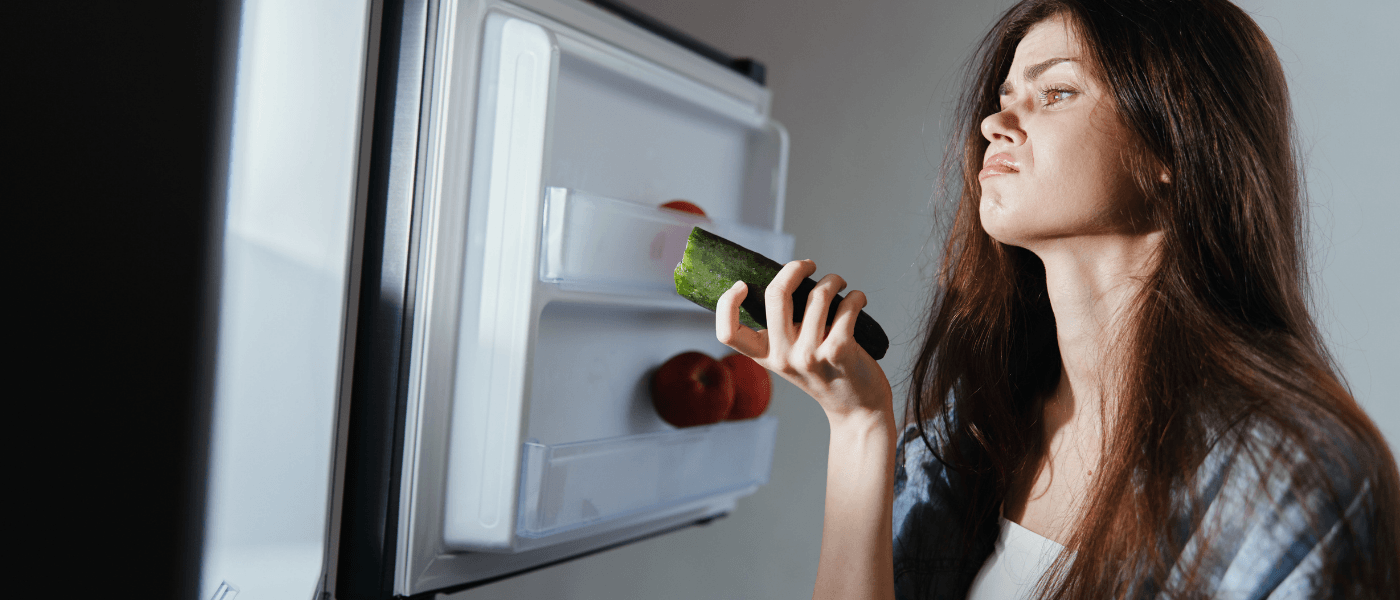
If you reconstituted a vial last week and it is still sitting in your fridge, this is for you. You spent good money on research peptides, followed the mixing instructions, slid the vial next to the almond milk, and told yourself you would use it soon. Now you are staring at it thinking, “Is this still good?”
That question is not trivial. Peptide storage directly affects shelf life, structural integrity, and research accuracy. When peptides break down, they do not send a warning. They simply lose potency. Understanding how long peptides last in the fridge and how storage conditions influence peptide degradation can save time, money, and flawed data.
How Long Are Peptides Good for in the Fridge?
When we talk about peptide shelf life in the fridge, we need to separate powder peptides from peptide solutions. Most peptides arrive as lyophilized peptides in powder form. That freeze-dried state is not just convenient packaging. It is a stability strategy.
Lyophilized peptides stored at lower temperatures between 2 to 8 degrees Celsius generally maintain shelf life for several months. In many cases, most peptides in powder form remain stable in refrigeration for short term storage, while long term storage is better suited for lower temperatures in a freezer environment. Long term storage at lower temperatures slows peptide degradation significantly, especially when vials remain sealed and protected from moisture.
Why does this matter? Because amino acids are reactive. The amino acid composition of a peptide sequence determines how sensitive it is to heat, humidity, and oxidation. Certain amino acids such as methionine, cysteine, and tryptophan are more prone to chemical reactions. Acidic peptides and basic peptides can also respond differently to environmental stress based on their charge and amino acid composition. For proper storage of lyophilized peptides in the fridge, follow these storage guidelines:
- Keep vials tightly sealed to avoid moisture.
- Store away from direct sunlight and limit light exposure.
- Place vials toward the back of the refrigerator to reduce temperature fluctuations.
- Allow the vial to reach room temperature before opening to prevent condensation.
- Use glass and plastic vials that are airtight and lab grade.
These steps help avoid degradation and extend the shelf life of peptides in powder form. If long term storage is required, lower temperatures in a freezer combined with protection from repeated freeze thaw cycles provide stronger stability.
Find Reliable Peptide Products for Research at PeptidesPlease
Peptide storage starts before your fridge ever enters the picture. If the starting material is inconsistent, no amount of careful refrigeration will fix it.
At PeptidesPlease, we supply melanotan peptides manufactured in certified facilities with verified purity at or above 99 percent. That purity matters because the amino acid composition and peptide sequence must be correct from the beginning. Impurities and incomplete chains can destabilize secondary structures and reduce structural integrity over time.
High quality lyophilized peptides packaged in glass and plastic vials, including polypropylene vials designed for lab use, provide a more stable baseline for peptide storage. Using inert gas in sealed vials can also reduce oxidation risk during long term storage. These details are not cosmetic. They influence real shelf life and real research outcomes.
How Long Do Reconstituted Peptides Last in Fridge?
Once peptides are reconstituted into peptide solutions using sterile distilled water, sterile buffers, or bacteriostatic agents, the clock starts ticking. Most peptides stored as peptide solutions in the fridge at 2 to 8 degrees Celsius remain stable for about 14 to 30 days. That window depends heavily on the peptide sequence and amino acid composition.
Water activates chemical reactions. Hydrolysis and oxidation can accelerate peptide degradation. Certain amino acids react faster in solution, especially when exposed to oxygen, light exposure, or unstable pH conditions. Acidic peptides and basic peptides may require slightly different handling because their charge can influence solubility and stability at neutral pH. To extend shelf life of reconstituted peptides, follow these storage guidelines:
- Store peptide solutions at consistent lower temperatures between 2 and 8 degrees Celsius.
- Keep vials sealed and limit exposure to room temperature during handling.
- Avoid repeated freeze thaw cycles whenever possible.
- If freezing is required, aliquot into polypropylene vials to avoid repeated freezing and repeated freeze thaw cycles.
- Maintain neutral pH when possible unless the peptide sequence requires specific conditions.
- Protect from direct sunlight and excessive light exposure.
Repeated freezing and freeze thaw cycles are particularly rough on peptides. Repeated freeze thaw cycles can disrupt secondary structures and compromise structural integrity. Each cycle stresses the molecular arrangement. Avoid repeated freezing by dividing doses into smaller volumes for single use. Avoid repeated freezing again by planning ahead before reconstitution.
For long term storage of peptide solutions, freezing at lower temperatures may be considered. However, avoid repeated freezing and avoid repeated freeze thaw cycles at all costs. That phrase sounds repetitive because the risk is real. Repeated freezing and freeze thaw cycles accelerate peptide degradation and can alter activity.
Ideal Refrigerator Temperature for Peptides
The ideal refrigerator temperature for peptide storage sits between 2 and 8 degrees Celsius. That range slows chemical reactions without freezing peptide solutions.
Why not colder? Because uncontrolled freezing in a standard refrigerator freezer can lead to repeated freeze thaw cycles if the unit is opened often. Why not warmer? Because room temperature dramatically increases molecular motion, which can accelerate peptide degradation. When storing peptides in a home refrigerator, keep these practical points in mind:
- Place peptides toward the back of the fridge to reduce temperature fluctuations.
- Avoid the door shelves where room temperature air hits first.
- Use a thermometer to confirm consistent lower temperatures.
- Keep peptides away from food containers that are frequently moved.
- Store in protective containers to limit light exposure.
Temperature fluctuations are more common than people think. Every time the door opens, room temperature air enters. Over time, repeated minor shifts can accelerate peptide degradation. Lower temperatures provide stability, but only if they are consistent.
How Storage Conditions Impact the Potency of Peptides
Peptide storage affects potency at the molecular level. This is where chemistry meets reality. Peptides are chains of amino acids. Their amino acid composition determines how sensitive they are to moisture, oxygen, and pH shifts. Certain amino acids are more reactive and can accelerate peptide degradation when exposed to heat or light. Secondary structures may unfold when conditions are unstable, reducing structural integrity. Several environmental factors influence peptide degradation:
- Moisture
Powder peptides exposed to humidity can begin breaking down even before reconstitution. Always allow vials to reach room temperature before opening to prevent condensation. - Oxygen
Oxidation of specific amino acids can change biological activity. Using inert gas in sealed vials helps reduce this risk during long term storage. - Light exposure
Direct sunlight and prolonged light exposure can damage sensitive amino acids. Store peptides in opaque containers away from direct sunlight. - pH levels
Many peptides remain more stable near neutral pH. Extreme acidic or alkaline environments can accelerate peptide degradation. Some labs use small amounts of acetic acid to adjust solubility, but pH must be controlled carefully. - Bacterial degradation
Improper handling of peptide solutions can introduce contamination. Using sterile distilled water, sterile buffers, and careful technique helps reduce bacterial degradation, especially when drawing multiple doses from the same vial. - Container material
Glass and plastic vials both have roles in peptide storage. High quality plastic vials such as polypropylene vials are commonly used because they resist chemical interaction. Cheap plastic vials can compromise shelf life over time.
Avoid degradation by combining all these strategies. Avoid degradation again by limiting room temperature exposure during preparation and transfer.
The bottom line is this. Peptides are stable when treated with respect. Lower temperatures, controlled pH, minimal light exposure, and careful handling protect shelf life. Poor storage guidelines, repeated freeze thaw cycles, room temperature neglect, and inconsistent technique accelerate peptide degradation.
Signs Peptides Have Gone Bad in the Refrigerator
Peptides do not spoil like milk, but they do degrade. When peptide degradation begins, it often shows subtle signs before full loss of activity. Whether you are working with lyophilized material or peptide solutions mixed with bacteriostatic water, visual inspection is your first line of defense.
For reconstituted peptides containing sensitive or hydrophobic regions, instability may appear faster. Hydrophobic sequences tend to aggregate more easily in solution, especially after several weeks in refrigeration. Aggregation can look like fine particles or slight cloudiness in the vial. Watch for these changes:
- Cloudy appearance in what should be a clear solution
- Visible particles floating or settled at the bottom
- Color changes, even faint yellowing
- Crystalline residue forming in peptide solutions
- Unexpected odor when the vial is opened
Peptides containing amino acids prone to oxidation may discolor slightly when exposed to bright light or oxygen over time. That is why it is important to avoid light during storage and handling. Bright light, especially from direct sunlight, can destabilize certain sequences.
If your peptides have been sitting in the fridge for several weeks beyond their expected shelf life, especially more than a few weeks past the recommended window, potency may already be compromised even if the solution looks normal. Chemical breakdown does not always announce itself visually.
When in doubt, err on the side of caution. Research depends on consistency, and degraded peptides can skew results without obvious warning.
How to Store Peptides Properly in the Fridge
Proper peptide storage is not complicated, but it does require consistency. Most peptides in powder form tolerate refrigeration well for short term use, while longer storage is better suited to lower temperatures in a controlled freezer environment. Still, when using a refrigerator, precision matters.
Reconstituted peptides mixed with bacteriostatic water should be stored at 2 to 8 degrees Celsius and protected from unnecessary exposure. Limit time at room temperature during preparation. Every extra minute outside controlled conditions increases molecular motion and raises the risk of degradation.
If you are planning longer storage for reconstituted material, consider aliquoting into smaller volumes. This prevents repeated warming and cooling cycles. Repeated freeze thaw cycles can destabilize hydrophobic regions in peptides containing complex sequences, leading to aggregation and reduced activity.
One more thing. Not all home freezers are equal. A frost free freezer can cycle temperatures automatically to prevent ice buildup. That cycling may introduce subtle warming phases. For highly sensitive peptides containing hydrophobic sequences, stable lower temperatures without fluctuation are preferable.
Common Storage Mistakes to Avoid When Storing Peptides in the Fridge
Even careful researchers slip into habits that quietly reduce shelf life. Most of these mistakes seem minor in the moment.
Leaving peptides at room temperature while preparing multiple items at once is one of the most common issues. A few minutes is fine. Extended exposure, especially in warmer rooms or during summer months, increases risk. High temperatures accelerate chemical reactions and can shorten usable life dramatically.
Another frequent error is storing peptides near the refrigerator door. That area experiences repeated bursts of warmer air. Temperature instability adds stress over time, particularly for peptides containing oxidation sensitive amino acids.
Light is another overlooked factor. Many people forget to avoid light exposure inside the refrigerator. Clear vials sitting under bright light each time the door opens are exposed repeatedly. Avoid light whenever possible, and never leave vials in direct sunlight on a counter.
Using the wrong solvent is also a problem. Sterile distilled water is appropriate in many cases, but bacteriostatic water provides additional protection when drawing multiple doses over a few weeks. Even so, bacteriostatic water does not prevent chemical breakdown. It simply reduces microbial growth.
Finally, do not rely on a frost free freezer for critical longer storage without understanding how it cycles. Automatic defrost systems can create minor temperature increases that, over time, affect stability.
When to Discard Refrigerated Peptides
Reconstituted peptides stored in the fridge beyond several weeks should be evaluated carefully. If they have exceeded the recommended window by more than a few weeks, especially after multiple entries for dosing, disposal is often the responsible choice. Discard refrigerated peptides immediately if you observe:
- Persistent cloudiness
- Unexpected color change
- Signs of contamination
- Exposure to high temperatures for an extended period
- Accidental prolonged room temperature storage
Peptides containing sensitive amino acids can lose potency even without dramatic visual change. If your research requires precision, using compromised material introduces unnecessary variability.
Lyophilized peptides stored improperly, such as those exposed to humidity or bright light, should also be replaced. Moisture infiltration can initiate degradation even if the powder appears intact.
Explore Trusted Peptide Products Designed for Research from Peptides Please
Reliable peptide storage begins with reliable sourcing. PeptidesPlease provides research grade peptides manufactured in certified facilities and tested through independent third party laboratories for purity and identity.
High purity peptides containing accurately synthesized amino acid sequences offer stronger baseline stability. When combined with proper refrigeration practices, avoidance of high temperatures, and careful handling with bacteriostatic water or sterile distilled water, they maintain expected performance within their defined shelf life.
For researchers planning longer storage, starting with properly manufactured lyophilized peptides increases confidence. Controlled packaging, attention to moisture protection, and guidance on storage conditions all contribute to stability.
Frequently Asked Questions
What happens if you leave peptides out of the fridge?
Leaving peptides at room temperature for extended periods can accelerate peptide degradation. Short exposure during handling is usually manageable, but prolonged time outside controlled refrigeration, especially in high temperatures or bright light, can reduce potency and shorten shelf life. Reconstituted peptide solutions are particularly sensitive.
Do injectable peptides have to be refrigerated?
Most reconstituted injectable peptides should be refrigerated at 2 to 8 degrees Celsius to maintain stability. Lyophilized peptides in powder form are more stable but still benefit from cool storage. Refrigeration helps slow chemical breakdown and maintain structural integrity.
How long are peptides good in the fridge?
Lyophilized peptides can remain stable for several months under proper refrigeration, though longer storage is better in a freezer. Reconstituted peptides typically last about 14 to 30 days in the fridge, depending on the peptide sequence and handling conditions.
Do peptides expire in the fridge?
Yes. Refrigeration slows degradation but does not stop it. All peptides have a defined shelf life, and potency may decline over time even if there are no visible changes in the vial.
Does BPC 157 need to be refrigerated?
Lyophilized BPC 157 can be stored in a cool, dry place short term, but refrigeration is recommended for stability. Once reconstituted, it should be refrigerated to help preserve activity and reduce the risk of degradation.
Summary
Peptides are precise molecular tools, and their storage directly affects performance. Lyophilized peptides can remain stable in the fridge for several months, though freezing is better for long-term preservation. Reconstituted peptides typically last 14–30 days under refrigeration at 2–8°C, with stability influenced by moisture, light, oxygen, pH, and handling frequency.
Temperature consistency, sterile technique, and minimal exposure to environmental stressors all play a central role in maintaining peptide potency. Refrigeration slows degradation but does not eliminate it.At PeptidesPlease, we provide research-grade peptides at ≥99% purity, manufactured in certified facilities and verified through independent third-party laboratory testing. Quality begins at synthesis and continues through responsible storage. When your peptides are built with precision and handled correctly, your research stands on stable ground.