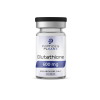
Glutathione has been discussed in clinical circles, fitness communities, and research labs alike, not because it promises miracles, but because it sits at the intersection of cellular defense, detoxification pathways, and oxidative balance.
Then comes the fork in the road: how it’s administered. Subcutaneous vs intramuscular. Two methods. Same compound. Very different delivery dynamics.
If you’ve been circling this topic, chances are you’re not just looking for surface-level answers. You want to understand how these routes behave, how they differ in absorption, what that might mean for consistency, and how they fit into a broader research or wellness framework.
Glutathione Subcutaneous vs Intramuscular
Subcutaneous injections and intramuscular injections both deliver glutathione in an injectable form, but they behave like two completely different personalities at a dinner party. One takes its time, steady and measured. The other shows up fast, says what it needs to say, and keeps things moving. Both routes support overall health in their own way, especially when the focus leans toward reducing oxidative stress, supporting immune function, and even conversations around skin tone and anti aging effects.
Subcutaneous injections place the compound into fatty tissue, allowing a slower release into circulation. Intramuscular injections go deeper, delivering the medication deep into muscle, where blood flow speeds things up. That difference alone can influence how glutathione functions in the body, including how it interacts with reactive oxygen species and how quickly a clinical response might be observed.
And yes, people talk about things like skin lightening and increasing skin elasticity, especially since glutathione plays a role in melanin synthesis. But beyond the surface, this is about cellular defense, neutralizing free radicals, and keeping the immune system from running on fumes.
Find Reliable Peptide Products for Research at PeptidesPlease
Before anyone gets carried away comparing injection techniques like it is a sport, let’s talk about what is actually going into the syringe. Because glutathione supplementation is only as good as the compound itself. You can have perfect technique, perfect timing, even perfect lighting for dramatic effect, but if the product is inconsistent, everything falls apart.
PeptidesPlease focuses on research-grade materials that are designed for controlled environments. That matters when evaluating how glutathione injections work across different delivery methods. Whether you are dealing with subcutaneous injections or im injections, consistency in purity plays a direct role in how outcomes are interpreted.
Can You Inject Glutathione Subcutaneously?
Subcutaneous injections deliver glutathione into the layer just beneath the skin, specifically into fatty tissue. This area has less blood flow than muscle, which means absorption happens at a slower pace.
That slower pace is not a flaw. It is a feature.
When glutathione injections are administered this way, the compound enters circulation gradually. This can create a more stable exposure over time, which may be useful when studying processes like reducing oxidative stress or supporting immune function without dramatic spikes. Let’s break it down in a way that actually sticks:
- Injection site usually includes areas like the abdomen or thigh
- The compound disperses slowly through surrounding tissue
- Blood vessels in the area absorb glutathione over time
Now picture that process like a slow drip coffee. It takes longer, but the flavor is consistent. That is the idea here.
Subcutaneous injections are generally well tolerated when properly administered, though like any method, there can be minor concerns such as localized irritation at the injection site or occasional allergic reactions. Still, this route is often chosen when a more controlled release is preferred, especially in studies looking at long-term effects on overall health or subtle shifts in the immune system.
Can You Inject Glutathione Intramuscularly?
Now we switch gears. Intramuscular injections are not here to take their time. They go straight into muscle tissue, where blood flow is significantly higher. That means faster absorption, quicker circulation, and a more immediate presence in the bloodstream.
When people talk about im injections, this is what they mean. The compound is delivered deeper, often into areas like the glute or deltoid, where it can be absorbed efficiently. This route is commonly used when timing matters or when a more direct delivery is preferred. Here is how it plays out:
- The medication deep enters muscle tissue
- Blood vessels rapidly absorb the compound
- Glutathione circulates more quickly compared to subcutaneous injections
Now imagine espresso instead of drip coffee. Fast, concentrated, and noticeable.
Intramuscular injections can influence how quickly glutathione injections work, especially when evaluating immediate changes in oxidative stress levels or early clinical response markers. They are also part of broader discussions that include intravenous glutathione administration and iv injections, which represent even faster delivery routes.
Understanding Sublingual Glutathione vs Liposomal Glutathione
Not everyone is lining up for needles, and that is where non-injectable options enter the conversation. Sublingual forms and oral supplements like liposomal glutathione offer alternative approaches, though they operate under different rules.
Sublingual glutathione is absorbed under the tongue, bypassing part of the digestive system. Liposomal glutathione, on the other hand, uses a protective coating to survive the digestive process and improve absorption through the gut. Here is the reality though. These methods still face barriers that glutathione injections do not.
- Oral supplements must pass through digestion, which can reduce potency
- Absorption rates vary depending on formulation and individual factors
- Delivery is less direct compared to iv injections or intramuscular injections
Now step back and look at the bigger picture. While non-injectable forms can support glutathione supplementation, they do not offer the same level of control seen with injectable methods. That difference matters when studying how glutathione interacts with free radicals, contributes to anti aging effects, or supports immune function at a measurable level.
Still, they have their place. Not every scenario calls for injections, and sometimes convenience plays a role in decision-making. Just understand the trade-offs before choosing a path.
Key Differences Between Subcutaneous Glutathione and Intramuscular Glutathione
Glutathione is not just another compound floating around in the wellness world. It is built from three amino acids and shows up like a behind-the-scenes fixer, handling oxidative damage, supporting detox pathways, and stepping into situations involving environmental toxins without asking for applause. This powerful antioxidant plays a role in maintaining glutathione levels, which are tied to how the body manages cellular damage, immune support, and even conversations around athletic performance and aging.
Now, when you shift from what glutathione does to how it is delivered, things get interesting. Subcutaneous and intramuscular injections take the same compound and send it down two very different roads. The differences are not just technical. They shape the experience, the timing, and in some cases, the potential benefits being studied. And yes, if you are working with a healthcare provider or sourcing through a compounding pharmacy, these details start to matter a whole lot more.
Typical Use Cases
Subcutaneous glutathione is often considered when the goal leans toward steady support rather than rapid changes. It fits into routines like weekly injections where maintaining consistent glutathione levels over time is part of the plan. This approach may be discussed in the context of immune support, general wellness, or long-term strategies aimed at reducing cellular damage.
Intramuscular injections, on the other hand, tend to show up in situations where quicker effects are being evaluated. These may include performance-related interests such as athletic performance or targeted protocols where a more immediate shift in glutathione levels is being observed. In some research discussions, this route is also explored in relation to medical conditions like heart disease or even neurodegenerative concerns such as alzheimer's disease, though context and oversight from a healthcare provider remain critical.
Injection Depth
Here is where the physical difference becomes obvious. Subcutaneous injections are placed just beneath the skin, typically in areas with more fat. Intramuscular injections go deeper, delivering the compound directly into muscle tissue.
Common intramuscular injection sites include the upper arm, thigh, or glute. That extra depth means the compound is positioned closer to a richer blood supply. Subcutaneous injections stay closer to the surface, which changes how the body absorbs and processes the compound over time.
Absorption Speed
Subcutaneous delivery is the slow and steady option. The compound enters circulation gradually, which can support a more consistent presence in the body. This slower release may be useful when the goal is to maintain stable glutathione levels rather than chase rapid changes.
Intramuscular injections move faster. Because muscle tissue has better blood flow, absorption happens more quickly. This can influence how fast glutathione helps in processes tied to oxidative damage and cellular repair. If timing matters, this difference becomes a key factor.
Bioavailability
Both methods bypass the digestive system, which already gives them an advantage over oral forms. However, the way glutathione is distributed still varies.
Intramuscular injections may lead to a more immediate rise in circulating glutathione levels, especially when higher doses are used under supervision. Subcutaneous injections provide a more gradual increase, which can be useful for maintaining balance over time.
Either way, working with a healthcare provider to determine a specific dose is essential, especially when exploring different protocols or adjusting based on response.
Pain and Comfort
Let’s be honest. Not everyone is thrilled about needles. Subcutaneous injections are generally considered more comfortable because they use smaller needles and do not go as deep. The sensation is often described as mild and manageable.
Intramuscular injections can feel more intense. The needle goes deeper, and depending on the injection site, there may be more noticeable discomfort. Areas like the upper arm can be more sensitive for some individuals. That said, comfort levels vary, and proper technique makes a difference.
Skill Level Required in Administering
Subcutaneous injections are typically easier to administer. With basic guidance, many people can learn the process and handle it with confidence. This makes it a more approachable option for those incorporating weekly injections into a routine.
Intramuscular injections require a bit more precision. The depth, angle, and location all matter. In many cases, having a healthcare provider administer injections or provide detailed instruction is recommended. This reduces the risk of improper technique and helps ensure the compound is delivered effectively.
Risk of Side Effects
No method is completely free of risk, but both are generally well tolerated when done correctly. Subcutaneous injections may cause mild irritation at the injection site, such as redness or swelling.
Intramuscular injections carry a slightly higher chance of discomfort due to depth. There is also a need to be mindful of proper placement to avoid complications. As with any injectable approach, allergic reactions are possible, though not common.
Monitoring by a healthcare provider is important, especially when higher doses are involved or when addressing specific medical conditions.
Practical Convenience
Subcutaneous injections often win in the convenience category. They are easier to perform, require less precision, and can fit more seamlessly into a routine. For individuals managing long-term goals related to immune support or general wellness, this can be a practical advantage.
Intramuscular injections may require more planning. Whether it is the need for assistance or simply finding the right injection site, the process can be a bit more involved. Still, for those focused on quicker absorption or targeted outcomes, the extra effort may be worth it.
Clinical vs Non-Clinical Preference
In clinical settings, both methods are used depending on the objective. Intramuscular injections may be preferred when a faster response is needed or when evaluating how glutathione helps in more immediate scenarios.
In non-clinical or wellness-focused settings, subcutaneous injections are often chosen for their simplicity and steady release. They align well with ongoing routines and maintenance strategies aimed at supporting glutathione levels and reducing long-term cellular damage.
Glutathione IM vs Subq: Which is Better?
This is the part where people want a clear winner. Sorry to disappoint, but it depends on what you are trying to accomplish. Saying one is better than the other without context is like arguing whether a hammer is better than a screwdriver. It depends on the job.
Intramuscular injections tend to deliver faster results in terms of absorption. Subcutaneous injections provide a slower, more sustained release. Both can contribute to supporting immune function, reducing oxidative stress, and maintaining overall health. Let’s lay it out clean:
- im injections are faster and may produce quicker measurable changes
- subcutaneous injections offer a steadier release over time
- iv injections deliver the fastest systemic exposure but require more controlled settings
Now think about your goal. Are you studying rapid changes in oxidative stress or looking at longer-term trends tied to anti aging or immune system balance? That answer points you toward the method that fits.
Neither approach changes what glutathione is capable of. It still works on neutralizing free radicals, interacting with reactive oxygen species, and helping the body manage internal stress. The difference lies in how quickly and how consistently those effects show up.
Common Misconceptions About the Difference Between Glutathione Subcutaneous and Intramuscular
First, not all glutathione injections work the same way. Route matters. Absorption speed matters. Timing matters. Assuming everything is identical ignores how the body processes compounds differently depending on where they enter.
Second, faster is not always better. Intramuscular injections may act quickly, but that does not automatically translate to better outcomes in every situation. Some research benefits from slower exposure, especially when tracking subtle changes in immune function or overall health.
Third, subcutaneous injections are not weaker. They simply operate on a different timeline. The total amount delivered can be similar, but the release pattern is more gradual.
Finally, people often lump all injectable methods together, including iv injections, im injections, and subcutaneous injections. Each has its own characteristics, and comparing them requires understanding those differences instead of oversimplifying the conversation.
Explore Trusted Peptide Products Designed for Research from PeptidesPlease
At the end of the day, technique gets the spotlight, but quality runs the show behind the scenes. You can debate subcutaneous versus intramuscular all day, but if the compound itself is not consistent, the conversation loses meaning.
When working with glutathione injections, that level of consistency matters. It allows researchers to evaluate how different delivery methods impact things like immune system balance, anti aging effects, and overall health without second-guessing the integrity of the compound.
PeptidesPlease focuses on providing popular peptides that meet strict research standards. That includes high purity levels, verified production processes, and independent testing that helps ensure reliability across different applications.
Frequently Asked Questions
Can glutathione be administered subcutaneously?
Yes, glutathione can be administered through subcutaneous injections. This method delivers the compound into the layer beneath the skin, allowing for a slower and more controlled release into circulation. It is often used when maintaining steady glutathione levels is the goal.
Can Glutathione Be given IM?
Yes, glutathione can also be delivered through intramuscular injections. This approach places the compound deeper into muscle tissue, where it is absorbed more quickly due to higher blood flow. It is commonly chosen when faster uptake is preferred.
Is glutathione better, SubQ or IM?
Neither method is universally better. Subcutaneous injections provide a gradual release, while IM injections offer quicker absorption. The better option depends on the intended use, timing, and guidance from a qualified professional.
Summary
Glutathione doesn’t change its identity when you switch from subcutaneous to intramuscular, but its journey through the body shifts in ways that actually matter. Known as the master antioxidant, it plays a role in handling harmful substances, supporting cellular balance, and even influencing processes like melanin production. One route moves steadily with a more controlled release, while the other reaches a higher concentration faster and circulates more quickly. Neither approach is automatically better. It comes down to the goal, the timing, and how the compound is being studied or used.
Subcutaneous delivery leans toward a slower, more sustained presence, while intramuscular injections provide quicker absorption and a more immediate systemic effect. Both methods are explored in discussions tied to overall health, including areas like chronic fatigue syndrome, though long term safety data still depends on proper oversight and context.
And behind all of it sits something even more important: quality.At PeptidesPlease, we don’t cut corners or play guessing games. We provide melanotan peptides at ≥99% purity, manufactured in certified facilities and verified through independent third-party laboratory testing. That means when you’re comparing delivery methods, you’re working with compounds that hold their line, consistent, clean, and ready for serious research.