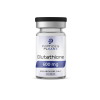
Glutathione is often referred to as the master antioxidant due to its critical role in neutralizing free radicals, supporting detoxification, and maintaining cellular health. While the body produces it naturally, Glutathione levels can be depleted by aging, environmental toxins, and chronic stress.
Among the various supplemental delivery methods available, intranasal administration has gained significant attention for its ability to bypass the digestive system and directly target the Central Nervous System.
What is Nasal Spray Glutathione?
Nasal spray Glutathione is a specialized liquid delivery system engineered for direct administration into the nasal cavity. This route is strategically chosen to circumvent the gastrointestinal tract, where stomach acids and digestive enzymes frequently degrade oral Glutathione.
By utilizing the highly permeable and vascularized nasal mucosa, the formulation enables the antioxidant to bypass first-pass metabolism in the liver, facilitating more rapid and efficient entry into the systemic circulation and, crucially, the cerebrospinal fluid.
The formulation typically utilizes reduced L-Glutathione, the biologically active state of the molecule required for effective free-radical neutralization. To maintain stability and patient comfort, the Glutathione is usually dissolved in a sterile saline base, buffered to a precise pH to ensure the solution is isotonic.
This prevents irritation of the delicate cilia and mucosal lining while maximizing the rate of passive diffusion across the epithelial barrier for localized and neurological support.
Find Reliable Peptide Products for Research at PeptidesPlease
For researchers and practitioners looking to study the nuances of cellular recovery and antioxidant defense, sourcing high-purity compounds is paramount. PeptidesPlease provides research-grade peptides at ≥99% purity, manufactured by certified facilities and verified through independent third-party laboratory testing.
You can find reliable peptide products for research at PeptidesPlease, a source dedicated to delivering the highest quality research compounds with exceptional customer service and rigorous quality control.
Understanding How Intranasal Glutathione Works
The efficacy of intranasal Glutathione lies in the anatomy of the nasal cavity. The nasal passage is lined with a thin, permeable mucous membrane backed by a dense network of capillaries. When the nasal spray is administered, the Glutathione molecules pass through this membrane to evaluate their impact on local and systemic health.
Furthermore, the olfactory and trigeminal nerve pathways provide a unique nose-to-brain conduit. This allows molecules to bypass the Blood-Brain Barrier to some extent, facilitating Central Nervous System uptake.
This is particularly relevant to addressing oxidative stress in the brain, a hallmark of many neurodegenerative conditions. By targeting the Central Nervous System directly, this therapy bypasses the limitations of intravenous administration for neurological support.
Is Glutathione Nasal Spray Effective?
The clinical efficacy of Glutathione nasal spray is grounded in its superior bioavailability compared to traditional oral supplementation. Because the digestive system often breaks down Glutathione into its constituent amino acids before it reaches the bloodstream, the intranasal route is a highly effective alternative for addressing systemic Glutathione deficiency.
By saturating the nasal mucosa, the delivery method ensures that a significant portion of the antioxidant remains intact, providing rapid absorption that supports both systemic antioxidant capacity and upper respiratory health.
Beyond systemic benefits, the nasal route is uniquely effective for neurological support because it bypasses the Blood-Brain Barrier. Scientific observations suggest that intranasal administration can elevate Glutathione (GSH) levels in the brain more efficiently than intravenous administration, which often struggles to cross the blood-brain barrier.
This makes the nasal spray a preferred choice for therapeutic goals targeting neuroprotection, as it directly mitigates oxidative stress in brain tissues that are otherwise difficult to reach with standard medical interventions.
Scientific Evidence on Glutathione Nasal Spray Effectiveness
Clinical interest in this delivery method has surged over the last decade. Several pilot studies and Phase I clinical trials have shown that intranasal GSH significantly increases Glutathione levels in the brain's substantia nigra and other critical regions.
Research published by the Bastyr University Research Institute and the Washington State University Elson S. Floyd College of Medicine has examined how GSH levels vary across patient populations.
Data from the Crescenz VA Medical Center has further analyzed the safety survey results of participants who used the medication. These studies often use Magnetic Resonance Spectroscopy to observe changes in the chemical composition of brain tissue.
While larger, multicenter future trials are still needed to establish definitive clinical protocols, the existing research suggests that intranasal Glutathione in Parkinson’s Disease is a viable path for study.
Factors That Influence Glutathione Nasal Spray Effectiveness
A complex interplay of biochemical stability, physiological conditions, and delivery precision dictates the therapeutic success of intranasal antioxidant therapy. Because Glutathione is a delicate tripeptide, several critical variables must be optimized to ensure that the active compound successfully crosses the nasal mucosa and enters the Central Nervous System and bloodstream.
- Concentration and Purity: The dosage per spray must be sufficiently high to reach therapeutic thresholds in the target tissues. Using high-purity ingredients ensures that no contaminants interfere with the molecule’s primary antioxidant function.
- Molecular Form: Reduced L-Glutathione is the active form required for biological utility. If the compound has oxidized into GSSG within the bottle, it loses its ability to neutralize free radicals effectively.
- Buffering Agents: The solution must be precisely pH-balanced and isotonic to prevent mucosal inflammation and discomfort. Irritation of the nasal lining can trigger a defensive inflammatory response that significantly obstructs absorption.
- Administration Technique: Proper physical handling ensures the dose reaches the highly vascularized olfactory region at the top of the nasal cavity. Incorrect angles can lead to the medication being swallowed or lost in the lower respiratory tract, reducing overall efficacy.
- Mucosal Health: Chronic inflammation or excessive mucus from allergies and infections can create a formidable physical barrier to passive diffusion. A clear, healthy nasal passage is essential for Glutathione molecules to make direct contact with the capillary network.
- Storage Conditions: Because Glutathione is highly sensitive to environmental factors such as heat and light, maintaining a cold chain through refrigeration is vital. Exposure to room temperature for extended periods can trigger rapid chemical degradation and loss of potency.
- Presence of Stabilizers: Professional pharmaceutical formulations often include stabilizers to prevent rapid oxidation when Glutathione is exposed to air. Without these agents, the solution may become biologically inert shortly after the bottle is first opened.
Glutathione Nasal Spray vs Injection
While both delivery methods aim to achieve high bioavailability, they differ significantly in their physiological targeting and use. Intravenous (IV) administration remains a common clinical standard for total body saturation, yet it often fails to penetrate the Central Nervous System as effectively as localized methods.
- Nasal Spray: This method provides a direct, non-invasive route to the brain via the olfactory and trigeminal nerves. It is an ideal self-administered therapy for those requiring consistent neurological support multiple times per day without the need for medical supervision.
- Injections: Intravenous or intramuscular injections provide rapid, complete absorption into the bloodstream for immediate antioxidant support. However, they are inherently invasive and generally less effective at bypassing the Blood-Brain Barrier compared to targeted intranasal formulations.
How to Make Glutathione Nasal Spray: Is DIY an Option?
Attempting to manufacture an intranasal Glutathione solution at home poses significant risks to both the compound's stability and respiratory health. While raw Glutathione powder is commercially available, the precision required to create a safe, sterile, and effective delivery vehicle is often beyond the capabilities of a residential environment.
- Oxidation Vulnerability: Pure Glutathione is exceptionally unstable and rapidly oxidizes to an inactive state upon exposure to air or moisture. Without specialized pharmaceutical-grade equipment and vacuum-sealed environments, a DIY solution can lose its potency before the first application.
- Sterility Concerns: The nasal passages are direct gateways to the brain and respiratory system, making the introduction of non-sterile fluids highly dangerous. Home-mixed solutions lack the rigorous sterilization processes needed to prevent bacterial or fungal infections within the sinuses.
- Imprecise pH Balancing: Creating a perfectly isotonic solution requires precise measurement of buffering agents to match the body's natural chemistry. An incorrectly balanced pH can cause severe burning, permanent mucosal damage, and chronic inflammation.
- Lack of Stabilizers: Professional pharmacies utilize specific chemical stabilizers that are not readily available to the general public for small-batch mixing. These agents are crucial for preventing the tripeptide from breaking down into its base amino acids during storage.
- Inaccurate Dosing: Achieving a consistent Glutathione concentration in every drop requires industrial-grade homogenization. Inaccurate DIY dosing can lead to either sub-therapeutic results or localized irritation from excessive concentration.
- Contaminant Risks: Raw bulk powders may contain impurities or fillers that are safe for ingestion but highly toxic when introduced directly to the blood-brain conduit. Professional labs verify every batch through third-party testing to ensure the absence of heavy metals and microbes.
- Short Shelf Life: Even if a successful batch is mixed, the lack of professional-grade preservative systems means the solution will degrade rapidly. This necessitates constant re-mixing, which increases the cumulative risk of contamination and chemical inconsistency over time.
The Use of Intranasal Glutathione in Parkinson's Disease Management and Treatment
The intranasal administration of Glutathione in Parkinson’s Disease represents a frontline approach to managing the oxidative stress that drives neurodegeneration. In Parkinson's patients, the substantia nigra—the region responsible for dopamine production—exhibits a profound deficiency in natural Glutathione (GSH) levels. =-iu756By delivering reduced L-Glutathione directly to this area via the olfactory pathway, researchers aim to replenish these cellular defenses, potentially slowing the rate of neuronal death and improving motor and non-motor functions.lead to measurable improvements in quality of life for those with mid- to late-stage
Clinical data suggest that consistent intranasal administration can result in measurable improvements in quality of life for those with mid-to-late-stage disease progression. Research supported by organizations such as the Michael J. Fox Foundation has used the Unified Parkinson's Disease Rating Scale (UPDRS) to track these changes, noting significant improvements in motor control and cognitive clarity.
How to Use Glutathione Nasal Spray Correctly
Mastering the physical administration of intranasal Glutathione is essential to ensure the active compound reaches the upper olfactory region for direct access to the brain. Precise technique not only maximizes cellular uptake but also prevents the solution from being wasted or causing unnecessary irritation to the lower nasal passages.
- Clear the Passages: Gently blow your nose to clear any existing mucus from the nasal cavity before administration. This ensures that the spray can make direct contact with the vascularized mucosal lining without physical obstruction.
- Device Preparation: Shake the bottle gently to ensure the formulation is well-mixed and consistent. You must prime the pump by spraying once into the air if it is the first use of the study medication or if it has been stored for several days.
- Correct Positioning: Tilt your head slightly forward while holding the bottle with your thumb at the bottom for stability. Keeping the head forward prevents the liquid from immediately running down the throat, thereby redirecting it to the digestive system.
- Nozzle Administration: Carefully insert the tip into one nostril, aiming the nozzle slightly outward toward the ear and away from the central septum. This prevents localized irritation of the sensitive septal tissue and directs the mist toward the highly vascularized turbinates.
- Controlled Breathing: Sniff gently and slowly as you depress the pump to deliver the dose. You should avoid snorting hard, as aggressive inhalation can pull the medication past the absorption zone and into the back of the throat.
- Bilateral Application: Repeat the same process for the opposite nostril, following the prescribed dosage schedule. This ensures an even distribution of the antioxidant across both olfactory nerve pathways for balanced neurological support.
- Post-Application Care: Keep your head tilted forward for several seconds after the spray to allow the liquid to settle and begin to diffuse. Avoid blowing your nose immediately after administration to ensure the compound has sufficient time to pass through the epithelial barrier.
Best Practices When Using Glutathione Nasal Spray
To ensure the highest level of therapeutic benefit and long-term safety, users must adhere to specific guidelines regarding timing, environment, and physical symptoms. Implementing these best practices helps maintain stable antioxidant levels in the Central Nervous System while preserving the structural integrity of the delicate Glutathione molecules.
- Prioritize Consistency: To effectively address a systemic Glutathione deficiency, the therapy must be administered on a strict, regular schedule. Missing doses can cause fluctuations in cerebrospinal fluid concentrations, potentially diminishing cumulative neuroprotective effects.
- Adhere to Storage Protocols: Most professional-grade Glutathione formulations require constant refrigeration to slow the natural process of chemical degradation. Storing the bottle in a cool, dark environment is essential for maintaining the compound's potency throughout its intended shelf life.
- Synchronize Daily Timing: Using the nasal spray at the same times each day helps the body establish a predictable metabolic rhythm for utilizing the antioxidant. Consistent timing ensures that cellular defense mechanisms are adequately supported during periods of peak oxidative stress.
- Monitor for Sensitivities: While clinical research indicates a high safety profile, users should remain vigilant for signs of persistent stinging or mucosal discomfort. If irritation does not resolve quickly, it is important to consult a healthcare professional in your local area to adjust the dosage or formulation.
- Protect Against Light Exposure: Glutathione molecules can be sensitive to UV light, which can accelerate the transition from a reduced to an oxidized state. Keeping the bottle in its original opaque packaging or a dark cabinet helps preserve the biological activity of the tripeptide.
- Limit Immediate Nasal Clearing: You should avoid blowing your nose for at least ten to fifteen minutes following administration to allow for complete absorption. Prematurely clearing the passages can result in the loss of a significant portion of the active dose before it crosses the epithelial barrier.
- Rotate Administration Times: If using the spray multiple times daily, try to align doses with periods of mental or physical exertion. Supporting the brain's antioxidant capacity when demand is highest can maximize the therapy's subjective benefits.
Common Mistakes With Glutathione Nasal Spray
Achieving optimal therapeutic outcomes requires more than just high-quality ingredients; it demands avoiding common errors that can compromise the tripeptide's delivery and stability. Even minor deviations from the recommended protocols can result in significantly reduced absorption or the accidental waste of the active medication.
- Tipping the Head Back: Tilting the head backward during administration causes the liquid solution to run down the throat and into the esophagus. This common error prevents Glutathione from interacting with the nasal mucosa, effectively rendering an intranasal treatment an inefficient oral dose.
- Aggressive Inhalation: Snorting or sniffing with excessive force carries the medication past the vascularized absorption zone too quickly. For maximum uptake, the mist must settle gently on the olfactory membranes rather than being pulled deep into the lower respiratory tract.
- Improper Nozzle Alignment: Aiming the nozzle directly at the nasal septum can cause localized irritation, dryness, and, over time, nosebleeds. It is vital to angle the spray outward toward the ear to target the turbinates, where most capillary absorption occurs.
- Utilizing Expired Product: Using Glutathione that has passed its expiration date or has turned yellow indicates that the molecule has likely oxidized to GSSG. Oxidized Glutathione is biologically inactive for many therapeutic purposes and will not provide the intended antioxidant benefits to the brain.
- Inconsistent Refrigeration: Failing to return the bottle to the refrigerator immediately after use exposes the delicate molecules to degradation at room temperature. Cumulative heat exposure rapidly reduces the concentration of reduced Glutathione, making each spray progressively less effective.
- Touching the Septum: Allowing the nozzle tip to make physical contact with the sensitive middle wall of the nose can introduce bacteria and cause microtrauma. Proper technique involves hovering the nozzle just inside the nostril without direct contact to maintain both sterility and tissue health.
- Blowing the Nose Too Soon: Clearing the nasal passages immediately after a dose removes the medication before it can diffuse across the epithelial barrier. Users should wait several minutes to allow the solution to be fully absorbed into the systemic and central nervous systems.
Limitations of Glutathione Nasal Spray
While intranasal administration is a breakthrough for antioxidant delivery, it is important to recognize that this method is not a universal cure for all health conditions. Understanding the inherent constraints of the nasal delivery system allows users and researchers to set realistic expectations for therapeutic outcomes and combined treatment strategies.
- Volumetric Capacity Constraints: The human nasal cavity has a limited anatomical capacity for liquid, which limits the maximum dose that can be administered in a single application. Exceeding this volume causes excess liquid to run out of the nose or down the throat, resulting in wasted medication.
- Impact of Mucosal Inflammation: Chronic underlying conditions, such as Allergic Rhinitis or Sinusitis, can cause significant swelling and mucus buildup that obstruct the absorption pathways. In these cases, Glutathione molecules may be unable to reach the epithelial barrier, resulting in inconsistent or subtherapeutic effects.
- Requirement for Strict Refrigeration: The extreme instability of reduced Glutathione necessitates a constant cold chain to prevent rapid chemical oxidation. This environmental dependency can be a significant logistical burden for users who need to travel or lack consistent access to refrigeration.
- Short Biological Half-Life: Once absorbed into the bloodstream or brain tissue, Glutathione is metabolized relatively quickly by the body’s internal enzymatic systems. This necessitates multiple applications throughout the day to maintain a therapeutic steady-state concentration in the target regions.
- Cost of Professional Formulations: High-quality, stabilized nasal sprays are often more expensive than oral precursors or bulk powders due to the specialized manufacturing processes required. For long-term chronic management, the cumulative financial investment can be a limiting factor for some patient populations.
- Localized Tissue Sensitivity: A small percentage of users may experience persistent dryness, stinging, or minor irritation of the nasal mucosa regardless of the formulation's pH. For these individuals, the discomfort may outweigh the therapeutic benefits, requiring an alternative delivery method like IV therapy.
- Nose-to-Brain Pathway Limits: While the olfactory route provides a unique shortcut to the Central Nervous System, it does not guarantee 100% brain saturation for every individual. Variations in nasal anatomy and cilia health can lead to significant differences in how much Glutathione successfully reaches the brain.
Explore Trusted Peptide Products Designed for Research from PeptidesPlease
Advancing our understanding of antioxidant therapy requires access to standardized, high-purity materials. PeptidesPlease serves the research community with integrity and confidence, providing research-grade peptides at ≥99% purity. Each compound is manufactured by certified facilities and verified through independent third-party laboratory testing.
Whether investigating neuroprotection in Alzheimer’s Disease, Multiple Sclerosis, Autism, Schizophrenia, or Bipolar Disease, explore trusted peptide products designed for research from PeptidesPlease to ensure the highest-quality formulations and dedicated support for your work.
Frequently Asked Questions
Does Glutathione nasal spray work?
Yes, a pilot study demonstrates it is an effective method for increasing Glutathione levels in the brain and body.
Is Glutathione nasal spray effective for absorption?
It is highly effective for Central Nervous System uptake via the olfactory nerves, bypassing the Blood-Brain Barrier.
How quickly does Glutathione nasal spray work?
Some systemic effects are observed within 30 minutes, though symptom improvement typically requires at least 3 months of consistent therapy.
Are there studies on the effectiveness of Glutathione nasal spray?
Yes, researchers have conducted several trials to evaluate its impact on Parkinson’s Disease and other neurological conditions.
Can nasal Glutathione replace IV or injections?
For those targeting brain health, intranasal administration is often preferred. For total body saturation, some may still require intravenous administration.
How effective is glutathione delivered via intranasal spray?
Intranasal glutathione bypasses gastrointestinal degradation and directly crosses the cribriform plate to enhance brain parenchyma antioxidant levels efficiently.
Summary
Glutathione nasal spray represents a significant lead in the field of antioxidant therapy. Using the nasal cavity to gain direct access to the brain offers a unique approach to addressing GSH deficiency. While more research is needed to fully understand its impact on conditions like Alzheimer’s Disease or Multiple Sclerosis, current evidence suggests it is a safe and effective treatment for those looking to support their Central Nervous System.