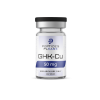
The copper-binding tripeptide GHK-Cu (glycyl-L-histidyl-L-lysine copper) has emerged as one of the most intriguing molecules in regenerative medicine and anti-aging research. Since its discovery in 1973 by Dr. Loren Pickart, this naturally present peptide has been studied extensively for its ability to promote wound healing, stimulate collagen synthesis, and modulate gene expression. However, for researchers and medical professionals, the most critical factor in determining the efficacy of this peptide is its bioavailability—the proportion of the substance that enters the circulation when introduced into the body and is so able to have an active effect. In the context of peptide therapy, GHK-Cu represents a significant advancement in understanding how small molecules can influence complex cellular processes.
How Does GHK-Cu Bioavailability Work?
Understanding the bioavailability of GHK-Cu is essential for optimizing its regenerative potential. This process involves the movement of the tripeptide through the body while resisting degradation to reach its intended cellular targets. The following points outline the mechanisms and requirements of GHK-Cu bioavailability:
- Biological Barriers: Bioavailability measures how efficiently the tripeptide crosses various biological barriers, such as the skin or intestinal lining, to enter systemic circulation.
- Peptide Composition: As a peptide, GHK-Cu is composed of specific amino acids linked by peptide bonds, which serve as the structural foundation for its biological function.
- Enzymatic Vulnerability: These peptide bonds are highly susceptible to enzymatic breakdown by proteases, which are present throughout the human body and can neutralize the molecule.
- Complex Stability: The "working" of its bioavailability depends heavily on the copper-peptide complex remaining intact throughout its journey from the administration site.
- Targeted Delivery: To be effective, the molecule must reach specific cellular receptors without losing its structural integrity in the bloodstream or tissues.
- Copper Retention: High biological activity is only maintained as long as the copper ions remain securely bound to the GHK peptide carrier.
- Systemic Distribution: Successful bioavailability ensures that the active complex is distributed to target tissues in a concentration sufficient to trigger gene expression and healing.
Find Reliable Peptide Products for Research at PeptidesPlease
Quality is the cornerstone of reproducible research. PeptidesPlease provides research-grade peptides at ≥99% purity, manufactured by certified facilities and verified through independent third-party laboratory testing. When investigating the physiological impacts of GHK-Cu peptide, the purity of the material and the stability of the copper complex are paramount. Impurities or inconsistent concentration levels can skew data regarding absorption rates and biological responses. By offering rigorous quality control and reliable shipping, we ensure that the variables in your study remain controlled and your results remain reliable.
What Bioavailability Means and Why It Matters
In pharmacology, bioavailability serves as a vital metric for understanding how effectively a compound transitions from administration to biological action. For a delicate tripeptide like GHK-Cu, mastering these kinetics is essential for achieving predictable research outcomes. The following points explain why bioavailability is a cornerstone of peptide science:
- Pharmacological Definition: Bioavailability is defined as a subcategory of absorption, specifically measuring the rate and extent to which the active ingredient reaches the systemic circulation.
- Kinetic Modeling: It is typically quantified by calculating the "area under the curve" (AUC) of a plasma concentration-time graph to visualize how long the peptide remains active.
- Dosage Optimization: High bioavailability ensures that a lower dose can achieve the necessary therapeutic concentration, maximizing the efficiency of the compound.
- Safety and Waste Reduction: By improving absorption, researchers can reduce the risk of side effects and minimize metabolic waste caused by unabsorbed materials.
- Target Accuracy: Bioavailability indicates whether a peptide is successfully reaching its target or being prematurely destroyed by the body’s internal defenses.
- Clinical Reliability: Low bioavailability can lead to "non-responders" in research settings, where the biological potential of GHK-Cu is lost due to poor delivery.
- Comparative Analysis: Understanding these metrics is critical when comparing GHK-Cu to other regenerative peptides that may share similar release kinetics or degradation pathways.
How GHK-Cu Interacts With the Body
GHK-Cu functions through a sophisticated array of biological interactions that allow it to influence cellular health and regeneration. The following points detail how this tripeptide interacts with the human body:
- Copper Transport: GHK-Cu possesses a unique affinity for copper ions, acting as a specialized carrier to deliver copper to specific cell types while modulating its uptake.
- Receptor Binding: It interacts primarily by binding to cell surface receptors, which triggers essential signaling cascades responsible for various physiological responses.
- Genetic Modulation: At the genetic level, GHK-Cu is known to influence the expression of over 4,000 human genes, particularly those involved in DNA repair.
- Antioxidant Defense: The peptide plays a key role in modulating genes that strengthen the body's antioxidant defense systems against cellular stress.
- Complex Integrity: The success of these interactions is highly dependent on the peptide remaining complexed with copper; if dissociated, the intended site of action may not be reached.
- Metabolic Pathway: If the peptide is degraded prematurely, the constituent amino acids are simply metabolized as nutrients rather than serving as signaling molecules.
- Anti-inflammatory Action: It facilitates anti-inflammatory responses and protects against oxidative damage through the activation of superoxide dismutase.
GHK-Cu Bioavailability by Delivery Method
The route of administration is the primary determinant of how much GHK-Cu actually reaches the systemic circulation. Each delivery method faces unique biological checkpoints, including the harsh acidic environment of the stomach, the restrictive permeability of the skin barrier, and the rapid first-pass metabolism occurring in the liver. To ensure the peptide successfully reaches its intended physiological destination, drug delivery systems must be meticulously optimized to bypass or endure these specific hurdles.
Current research focuses on navigating these checkpoints by matching administration routes to specific research goals. By selecting the most efficient delivery vehicle, researchers can maximize the proportion of the copper-peptide complex that remains intact upon reaching target tissues. This optimization is crucial for maintaining the biological signaling properties required to trigger cellular repair and modulate gene expression effectively across different therapeutic models.
GHK-Cu Oral Bioavailability
Generally, peptides face significant hurdles when administered orally, as GHK-Cu oral bioavailability is traditionally considered quite low. This limitation is primarily due to the presence of pepsin and other proteolytic enzymes in the digestive tract that rapidly hydrolyze the tripeptide into its constituent amino acids. Furthermore, the molecule's hydrophilicity and relatively large size as a copper complex impede its ability to pass through the intestinal lining via passive diffusion.
While some studies suggest minor absorption may occur, the levels are often insufficient to produce systemic regenerative effects comparable to other delivery methods. Consequently, oral administration is frequently viewed as a "non-responder" route for systemic goals. For research requiring precise cellular signaling, the oral route's inefficiency necessitates exploring alternative delivery systems that can preserve the peptide's structural integrity before it reaches the bloodstream.
GHK-Cu Nasal Bioavailability Studies
Intranasal delivery is an area of growing interest because the nasal mucosa is highly vascularized, allowing for direct access to the systemic circulation. GHK-Cu nasal bioavailability studies often show significantly higher absorption rates than oral methods, largely because the peptide bypasses the destructive environment of the gastrointestinal tract. This route offers a faster onset of action and avoids first-pass metabolism in the liver.
Additionally, the nasal route offers a potential pathway to the central nervous system by bypassing the blood-brain barrier via the olfactory and trigeminal nerves. This is a major focus for research into the neuroprotective properties of popular peptides, as it may allow for the direct influence of GHK-Cu on brain health. As researchers look for non-invasive but high-bioavailability options, intranasal delivery remains a top candidate for systemic and neurological studies.
Injectable GHK-Cu Bioavailability
Subcutaneous or intramuscular injection is widely regarded as the gold standard for peptide delivery, offering maximum efficiency. Injectable GHK-Cu bioavailability is effectively 100% in terms of reaching the interstitial fluid and human plasma, ensuring that the total dose administered is available for biological signaling. By bypassing both the skin barrier and the gastrointestinal tract, the peptide is delivered directly into the systemic environment.
This direct entry allows for precise dosing and a rapid onset of action, which is critical for time-sensitive healing processes. Injectable GHK-Cu is often the preferred choice for research focusing on tissue repair and managing poor wound healing, where localized and systemic concentrations must be strictly controlled. For studies aiming to observe the maximum genetic and regenerative potential of the tripeptide, injection remains the most reliable delivery method.
GHK-Cu Bioavailability Topical vs Injectable vs Oral
When comparing the three primary administration methods, a clear hierarchy of efficiency emerges based on systemic absorption. This tiered structure helps researchers determine which route is most appropriate for their specific experimental objectives. When comparing the three primary methods, a clear hierarchy emerges:
- Injectable: Highest bioavailability. Ideal for systemic issues, organ repair, and deep tissue regeneration. It bypasses the limitations of other delivery routes entirely.
- Topical: Variable but effective for localized dermatological use. The bioavailability is limited by the stratum corneum, though it is surprisingly effective at penetrating to the dermis. A GHK-Cu serum is often used in the cosmetic industry for skin rejuvenation and improving skin health.
- Oral: Lowest bioavailability. Most of the peptide is degraded before it can enter the blood, though some researchers believe localized benefits to the gut lining may still occur through specific release studies.
Factors That Influence GHK-Cu Bioavailability
The efficiency of GHK-Cu delivery is dictated by a variety of physiological and chemical factors that can enhance or inhibit its absorption. The following variables represent the primary influences on its overall bioavailability:
- Molecular Weight: At approximately 340 Daltons, the tripeptide is relatively small, but the addition of a copper ion increases the complex's size and charge, impacting membrane crossing.
- pH Stability: The stability of the copper-peptide bond is highly pH-dependent; extreme acidity in the stomach can cause the copper to dissociate, rendering the signaling complex inactive.
- Enzymatic Activity: High concentrations of carboxypeptidases in the blood and tissues can rapidly degrade the peptide chain, significantly shortening its biological half-life.
- Skin Barrier Integrity: For topical applications, the health and thickness of the stratum corneum determine the rate of penetration and the eventual effect on skin elasticity.
- Concentration Gradients: The amount of GHK-Cu applied or injected relative to the tissue concentration influences the passive diffusion and uptake rates in target areas.
- Chelation Competition: Presence of other high-affinity binding molecules in the systemic environment can compete for the copper ion, potentially destabilizing the GHK-Cu complex.
- Metabolic Clearance: The rate at which the liver and kidneys process and remove the peptide from circulation dictates how long it remains bioavailable for cellular interaction.
How to Potentially Improve GHK-Cu Bioavailability
Advanced pharmaceutical technologies and strategic application methods are being developed to overcome the natural barriers to peptide absorption. The following approaches represent current research into enhancing GHK-Cu uptake:
- Liposomal Encapsulation: Utilizing fatty-layer vesicles to surround the peptide protects it from destructive proteolytic enzymes in the digestive tract and systemic circulation.
- Penetration Enhancers: Incorporating chemical carriers in topical formulas helps disrupt the stratum corneum to facilitate deeper dermal delivery.
- Microneedling Techniques: Creating physical micro-channels in the skin bypasses the primary barrier for topical solutions, significantly improving skin-firming results.
- Targeted Delivery Systems: Engineering specific release kinetics ensures the copper-peptide complex remains intact until it reaches the intended cellular receptors.
- Chemical Modification: Altering the peptide backbone can make the molecule more resistant to carboxypeptidases while maintaining its essential biological activity.
- Iontophoresis: Using mild electrical currents can drive the charged copper-peptide complex through the skin or mucosal membranes more effectively than passive diffusion.
- Nanotechnology Carriers: Deploying nanoparticles as transport vehicles can increase the stability and surface area for cellular interaction, maximizing distributive efficiency.
What the Research Says About GHK-Cu Bioavailability
The scientific literature underscores the complexity of peptide kinetics, highlighting the inherent fragility of GHK-Cu in varied biological environments. Most peer-reviewed studies emphasize that while the molecule is highly bioactive, its effectiveness relies heavily on delivery systems that protect the copper-peptide bond from premature degradation.
Scientific evidence further suggests that GHK-Cu functions primarily by interacting with growth factors and matrix metalloproteinases to regulate cell proliferation and tissue remodeling. Maintaining structural integrity is therefore paramount, as research outcomes are only valid when the peptide reaches cellular targets in its functional, complexed form.
GHK-Cu Oral Bioavailability Study
Research focusing on the oral ingestion of GHK-Cu frequently concludes that the tripeptide is largely hydrolyzed by pepsin and other gastric enzymes. One specific GHK-Cu oral bioavailability study indicated that while systemic copper levels may rise slightly following administration, the presence of the intact, active tripeptide in the plasma was negligible.
This suggests that any potential biological value observed from oral copper-peptides may be more related to the simple absorption of constituent minerals than the specific signaling properties of the GHK complex. Consequently, oral delivery is often excluded from studies requiring precise, peptide-mediated genetic modulation or rapid regenerative responses.
Injectable GHK-Cu Bioavailability Study
Conversely, studies measuring injectable GHK-Cu bioavailability demonstrate a rapid peak in plasma concentration followed by a highly efficient distribution into target tissues. By bypassing the harsh gastrointestinal tract and the restrictive skin barrier, injection ensures that the total dose is available to initiate DNA repair and collagen synthesis.
Given the peptide's naturally short biological half-life, this near-instantaneous systemic availability is necessary to reach the concentration thresholds required for significant gene expression changes. This makes the injectable route the primary benchmark for scientific research aiming to observe the full therapeutic potential of the GHK-Cu complex.
Explore Trusted Peptide Products Designed for Research from PeptidesPlease
For those conducting sophisticated biological assays or clinical simulations, the source of your peptides is as important as your methodology. PeptidesPlease serves the research community with integrity, offering programs at ≥99% purity verified by independent third-party laboratory testing. Our commitment to high-purity GHK-Cu, combined with dedicated support and exceptional customer service that sets the industry standard, allows researchers to focus on the results of their release studies and bioavailability assessments with complete confidence.
Frequently Asked Questions
What is GHK-Cu bioavailability?
It is the percentage of the GHK-Cu peptide that reaches the systemic circulation in an intact, functional state after administration.
How well is GHK-Cu absorbed by the body?
Absorption depends on the route. It is perfectly absorbed via injection, moderately absorbed through the skin, and poorly absorbed through the digestive tract. Using a PBS solution in dialysis bag experiments can help model these release kinetics.
Can GHK-Cu be absorbed topically?
Yes. Despite the skin's barrier function, studies show that GHK-Cu can penetrate the epidermis and reach the dermis, where it stimulates fibroblast proliferation and collagen production. This is a common application for skin aging and anti-aging treatments.
Is GHK-Cu orally bioavailable?
Very minimally. Most of the tripeptide is broken down by stomach acids and enzymes before it can be absorbed as a whole molecule into the blood.
Can bioavailability influence GHK-Cu results?
Absolutely. If the bioavailability is low, the user may see little to no systemic effect compared to high-bioavailability methods like injection. This is vital for regenerative therapies targeting internal organs.
Can low bioavailability limit GHK-Cu effectiveness?
Yes, low bioavailability is the primary limiting factor in the effectiveness of GHK-Cu for systemic health. If the peptide doesn't reach the target tissue, it cannot trigger the necessary cellular function for healing.
How does delivery method impact GHK-Cu bioavailability?
Subcutaneous injection offers ~100% systemic bioavailability, whereas topical creams provide localized dermal absorption and microneedling enhances stratum corneum penetration.
Summary
GHK-Cu is a powerful biological tool, but its effectiveness is entirely dependent on how it is delivered to the body. While oral methods are convenient, they suffer from poor bioavailability. Topical applications are excellent for skin-specific goals like improving skin elasticity and reducing healing time, but for systemic regenerative medicine research, injectable methods provide the highest bioavailability. Understanding these kinetics is essential for any researcher looking to harness the full potential of this copper-binding tripeptide. Whether the goal is inflammation control, wound healing, or hair regrowth, the delivery method must match the desired biological activity.