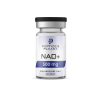
Nicotinamide Adenine Dinucleotide (NAD+) is a critical coenzyme found in every living cell. While traditionally recognized for its role in DNA repair and cellular signaling, modern research has increasingly focused on its potential impact on body composition.
As researchers look for ways to optimize metabolic pathways, the question of whether does nad help with weight loss has become a central theme in longevity and metabolic science. By influencing cellular health, this coenzyme helps maintain the structural integrity of tissues during the aging process.
How Does NAD+ Help with Weight Loss?
NAD+ does not function as a direct "fat burner" in the traditional sense of a stimulant; instead, it acts as a metabolic facilitator for weight management. Research indicates several pathways through which NAD+ supports weight loss efforts:
- Sirtuin Activation: NAD+ is the primary fuel for sirtuins, specifically SIRT1, which are proteins that regulate metabolic health and influence the body's response to fasting and exercise.
- Enhanced Metabolic Rate: By maintaining high levels of this coenzyme, the body can theoretically sustain a more efficient basal metabolic rate, preventing the sluggishness often associated with aging symptoms.
- Improved Cellular Energy Conversion: It works by influencing how the body functions to convert nutrients from the diet into usable cellular energy (ATP).
- Circadian Rhythm Regulation: NAD+ helps regulate the body's internal clock, which governs hunger hormones and the timing of metabolic processes.
- Reduction of Oxidative Stress: It manages cellular stress and inflammation, both of which are common contributors to metabolic dysfunction and weight gain.
- Gene Expression Modulation: NAD+ influences the gene expression of markers involved in lipid metabolism and glucose transport.
- Mitochondrial Protection: It ensures that the "powerhouses" of the cells remain functional, allowing for more efficient burning calories throughout the day.
Explore Trusted Peptide Products Designed for Research from Peptides Please
For researchers looking to explore the frontiers of metabolic science, sourcing high-purity compounds is essential. Peptides Please provides research-grade peptides at 99% purity, manufactured by certified facilities and verified through independent third-party laboratory testing.
When investigating the cellular mechanisms of NAD+ or related metabolic precursors, having access to these verified, lab-grade materials ensures that research outcomes are consistent and reliable.
Role of NAD+ in Metabolism
The primary role of NAD+ in metabolism is to act as a shuttle for electrons during redox reactions within living cells. It exists in two forms: NAD+ (the oxidized form) and NADH (the reduced form). The ratio between these two is a key indicator of a cell’s energy status and the efficiency of cellular metabolism.
In the context of metabolism, NAD+ is required for the breakdown of carbohydrates, fats, and proteins to convert food into fuel. Without sufficient levels of this major coenzyme, the metabolic "engine" slows down, leading to inefficient energy utilization and a higher likelihood of fat storage.
How NAD+ Affects Energy Production
The production of biological energy is a multi-step process that relies heavily on the availability of NAD+. Here are seven ways it impacts energy production:
- ATP Synthesis Catalyst: NAD+ is a required cofactor for the production of Adenosine Triphosphate (ATP), which provides the energy necessary for every cellular function.
- Electron Transport Chain Support: It acts as a primary electron donor, moving high-energy electrons through the mitochondria to drive the machinery of energy creation.
- Glycolysis Facilitation: NAD+ is essential for the initial breakdown of glucose in the cytoplasm, ensuring the body can access energy from carbohydrates.
- Citric Acid Cycle Integration: Within the Krebs cycle, NAD+ captures energy-rich electrons, allowing the cycle to continue turning and producing metabolic byproducts.
- Redox Balance Maintenance: It maintains the critical balance between oxidized and reduced states (NAD+/NADH), which signals the cell to increase or decrease energy production based on demand.
- Enzymatic Activation: Many metabolic enzymes involved in energy pathways remain dormant or inefficient without a sufficient supply of NAD+ to act as a co-substrate.
- Cellular Vitality: By optimizing the efficiency of nutrient-to-energy conversion, higher energy levels correlate with increased physical stamina and reduced cellular fatigue.
NAD+ and Fat Oxidation
Fat oxidation, or the process of "burning" stored body fat for fuel, is heavily dependent on the presence of NAD+. This major coenzyme needed for cellular respiration facilitates the transfer of electrons during lipid oxidation.
When NAD+ levels are depleted, the body’s ability to mobilize and utilize fat stores is compromised, often leading to the expansion of fat cells. Research suggests that by elevating NAD+ availability, one may enhance the rate at which the body burns adipose tissue, particularly during fasted states or aerobic exercise.
NAD+ and Insulin Sensitivity
Insulin resistance is a major hurdle in weight loss, as it leads to elevated blood sugar and increased fat storage. NAD+ plays a significant role in improving insulin sensitivity by activating SIRT1. This activation helps modulate glucose metabolism and reduces systemic inflammation, which is vital for overall health. By improving the way cells respond to insulin, NAD+ can help stabilize blood sugar levels, reducing the "crashes" that often lead to overeating and excessive fat accumulation.
NAD+ and Mitochondrial Function
Often called the powerhouses of the cell, mitochondria require NAD+ to maintain their structural integrity and mitochondrial function. As we age, mitochondrial decay is a hallmark of metabolic decline. NAD therapy has been shown in research models to promote mitochondrial biogenesis—the creation of new mitochondria. Healthier, more numerous mitochondria mean the body can process nutrients more efficiently, effectively turning the body into a more proficient machine to burn fat.
What Are NAD+ for Weight Loss?
In the context of weight management, nad supplementation typically refers to precursors or direct administration methods intended to boost systemic levels. These are not weight loss drugs in the pharmacological sense of appetite suppressants.
Rather, they are considered bioenergetic supports to help the body produce antioxidants and manage oxidative stress. Researchers categorize these as tools to "reset" a stalled metabolism, potentially making lifestyle interventions more effective by ensuring the cellular machinery is capable of responding to the demand for energy.
NAD+ Supplements vs NAD+ Injections for Weight Loss
There is a significant difference in bioavailability between delivery methods. Oral supplements, such as Nicotinamide Riboside (NR) or nicotinamide adenine dinucleotide precursors like NMN, must pass through the digestive system and the liver, which can degrade a portion of the compound.
In contrast, NAD injections or IV therapy bypass the digestive tract entirely, providing a higher concentration of the coenzyme directly into the bloodstream. For research purposes, injections are often preferred due to the precision of dosing and the rapid increase in systemic nad levels.
Can Low NAD+ Levels Affect Weight Gain?
Clinical observations suggest a strong correlation between low NAD+ levels and weight gain. As NAD+ levels naturally decline with age—dropping by as much as 50% by age 50—many individuals experience "middle-age spread."
When levels are low, the body’s dna repair mechanisms and ability to manage free radical oxygen molecules are impaired, leading to metabolic inflexibility. This state makes it much easier to increase body weight and significantly harder to lose it, even with a controlled calorie intake.
What the Science Says About NAD+ and Weight Loss
Scientific literature, particularly in obese mice models, has shown that increasing NAD+ can reverse many symptoms of metabolic syndrome. Studies published in journals like Cell Metabolism have demonstrated that mice given NAD+ precursors showed increased lean muscle mass and decreased fat mass compared to control groups.
Research into glucose tolerance suggests that NAD+ precursors may prevent the metabolic decline associated with a high fat diet. While human trials are ongoing, preliminary data suggests that NAD+ boosters can improve lipid metabolism and reduce markers of inflammation.
Who May Benefit From NAD+ for Metabolic Support
While NAD+ is essential for everyone, research highlights seven key groups who may find potential major benefits from metabolic support:
- Aging Individuals: Those experiencing a natural metabolic slowdown as their body's ability to produce NAD+ declines.
- Individuals with Mitochondrial Dysfunction: Those whose cellular "engines" are underperforming, leading to impaired glucose tolerance.
- Patients with Insulin Resistance: Research subjects struggling with blood sugar regulation and insulin resistance.
- Individuals with Metabolic Syndrome: Those facing metabolic parameters that increase the risk of cardiovascular disease.
- High-Performance Athletes: Researchers study NAD+ in this group to determine if it helps them build muscle efficiently.
- Sedentary Populations: Individuals looking to offset the metabolic consequences of low energy expenditure at a cellular level.
- Post-Recovery Individuals: Those looking for faster recovery from cellular stress; some studies even suggest it reduces pain by lowering systemic inflammation.
Potential Side Effects and Safety Considerations
NAD+ is generally considered safe because it is a substance naturally produced by the body; however, researchers should be aware of these seven safety considerations:
- Nausea: Rapid administration may cause temporary digestive upset.
- Headaches: Some subjects report mild tension headaches, though many others report improved mental clarity.
- Fatigue: Paradoxical temporary fatigue can occur as the body adjusts to increased coenzyme levels.
- Flushing Sensation: A warm or tingling sensation on the skin is a common, short-lived side effect.
- Purity Concerns: It is crucial to use high-purity, lab-verified sources to avoid potential contaminants.
- Dosage Sensitivity: Individual biochemistry varies, and hormonal imbalances may influence how a subject responds to treatment.
- Medical Supervision: Any intervention should be conducted under strict professional oversight to monitor immune function and other vital markers.
NAD+ Combined With Diet and Exercise for Weight Loss
It is important to emphasize that NAD+ is a facilitator, not a substitute for a healthy diet. The most profound results for sustainable weight loss are seen when NAD+ support is combined with a solid workout regimen and regular physical activity.
Because NAD+ improves energy production and recovery, it may allow individuals to exercise more intensely and frequently. This helps the body lose weight while supporting muscle development, creating a synergistic effect that accelerates fat loss and muscle preservation.
Find Reliable Peptide Products for Research at Peptides Please
In the specialized field of metabolic research, the integrity of the results depends entirely on the quality of the compounds utilized.
Peptides Please is a premier provider of research-grade peptides, offering products at 99% purity, manufactured by certified facilities and verified through independent third-party laboratory testing. We are committed to delivering the highest quality research compounds with exceptional customer service that sets the industry standard.
By focusing on rigorous quality control and verified purity levels, Peptides Please ensures that researchers can conduct their studies on metabolic pathways and metabolic optimization with confidence. With reliable shipping and dedicated support, we serve the research community with integrity, ensuring that every study is built on a foundation of scientific excellence and reproducible outcomes.
Frequently Asked Questions
Is NAD+ like Ozempic?
No, NAD+ and Ozempic (semaglutide) operate through entirely different biological processes. Ozempic is a GLP-1 receptor agonist that mimics a hormone responsible for insulin secretion, slowing down digestion and chemically signaling the brain to regulate appetite, thereby reducing food consumption.
In contrast, NAD+ is a fundamental coenzyme that addresses weight concerns from the inside out by optimizing the cellular machinery. It doesn't suppress appetite directly but ensures that the body is metabolically capable of processing stored fat, making it a bioenergetic support rather than a hormonal suppressant.
Does NAD+ help you lose weight?
NAD+ acts as a metabolic catalyst that can significantly support significant weight loss efforts, but it is not a standalone solution. Its primary benefits of nad lie in its ability to reverse metabolic parameters associated with decline—a state where the body finds it difficult to switch between burning carbohydrates and burning fat.
By improving metabolic performance and activating sirtuins, NAD+ helps the body utilize energy more efficiently. While it provides the biological foundation to boost energy, it must be paired with lifestyle changes to see a reduction in body mass.
How much weight can you lose on NAD+?
There is no universal "weight loss number" associated with NAD+ because its effects are highly dependent on the individual's baseline health and metabolic health. In clinical research settings, subjects often report a gradual reduction in body mass as their body's ability to manage nutrients improves.
Instead of rapid, water-weight-based loss, NAD+ facilitates a more sustainable, metabolic-driven reduction in adipose tissue. Some research even suggests it can assist with cognitive functions, specifically memory recall, during the weight loss process.
How long does it take to lose weight with NAD+?
The timeline for seeing results is typically reflective of the time it takes for cellular processes to manifest as physical changes. While many researchers note an improved energy and boosted concentration within the first few days, physical weight loss usually becomes apparent over a period of 8 to 12 weeks.
This duration allows the body to reproduce healthier cells and stabilize circadian rhythms. Consistency is key, as the cumulative effects of regulating metabolism take time to override years of metabolic decline and metabolic disorders.
How much NAD+ to take for weight loss?
Dosing for weight loss support varies widely based on the administration route and specific research objectives. In oral supplementation studies, doses typically range from 250mg to 1,000mg per day to help the body more calories effectively.
For direct injections or IV protocols, dosages are often more concentrated. Because individual needs depend on age and current depletion levels, dosing should be carefully calibrated during research to find the "sweet spot" where the body can build muscle efficiently without causing side effects.
Summary
NAD+ plays an indispensable role in the complex dance of human metabolism. By facilitating energy production, enhancing fat oxidation, and improving mitochondrial health, it offers a promising avenue for those looking to overcome metabolic hurdles.
While not a "magic pill," its ability to revitalize the body's cellular environment makes it a powerful ally when combined with traditional strategies to lose weight. As science continues to uncover the depths of coenzyme therapy, NAD+ remains at the forefront of research aimed at improving overall health and metabolic longevity.