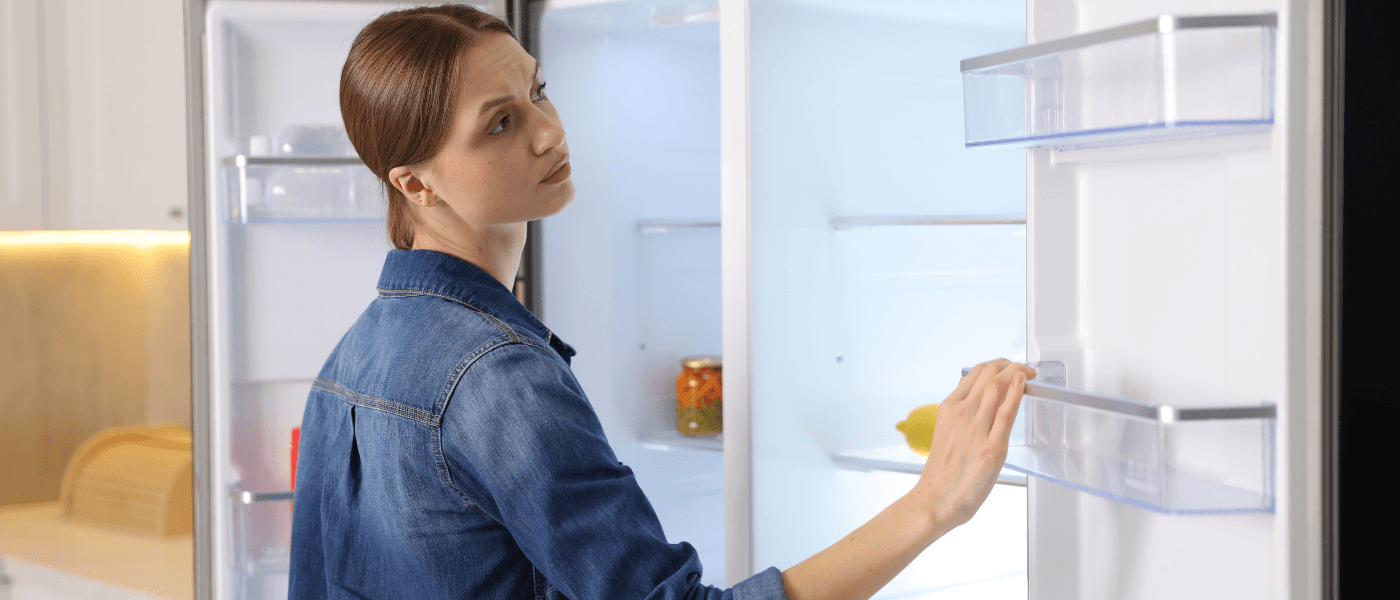
BPC-157 is a synthetic peptide modeled after a protein in human gastric juice. To maintain its structural integrity, proper storage is essential. Whether it needs refrigeration depends on its state: while lyophilized powder is relatively stable, reconstituted solutions are highly sensitive to environmental factors. Proper temperature control prevents molecular degradation and ensures accurate research data.
Should BPC-157 Be Refrigerated?
From a professional research standpoint, the answer to whether BPC-157 needs refrigeration is generally yes. While this peptide is more robust than many other compounds, maintaining a cold, stable environment is critical for several reasons:
- Preservation of Molecular Integrity: Refrigeration acts as a primary preservative, ensuring the complex 15-amino acid sequence remains intact and biologically active throughout the study.
- Prevention of Deamidation: Cold storage significantly slows down deamidation, a chemical reaction where an amide functional group is removed from an amino acid, which can render the peptide useless.
- Mitigation of Oxidation: Keeping the vial in a temperature-controlled environment reduces the risk of oxidation, which can alter the chemical properties of the compound when exposed to even minor environmental shifts.
- Reduction of Kinetic Energy: High temperatures increase the kinetic energy of the molecules. Refrigeration keeps this energy low, preventing the fragile peptide bonds from vibrating to the point of breaking.
- Stability Against Fluctuations: A dedicated refrigerator provides a consistent baseline temperature, shielding the compound from the "thermal shock" of varying room temperatures throughout the day.
- Maintenance of Therapeutic Properties: To ensure the compound retains its specific anti-inflammatory and regenerative properties, the structural "shape" of the peptide must be protected from heat-induced denaturation.
- Extended Research Viability: By utilizing refrigeration, researchers can extend the window of time in which the peptide remains potent, ensuring that late-stage data is as accurate as initial observations.
Find Reliable Peptide Products for Research at PeptidesPlease
PeptidesPlease provides research-grade peptides at ≥99% purity, manufactured by certified facilities and verified through independent third-party laboratory testing. We are committed to delivering the highest quality research compounds with exceptional customer service that sets the industry standard. With reliable shipping, rigorous quality control, and dedicated support, we serve the research community with integrity and confidence.
Do You Have to Keep BPC-157 in the Fridge?
Strictly speaking, the necessity of keeping the peptide in the fridge depends on your timeline and the state of the compound. For a short-term timeline involving lyophilized peptides intended for use within a few days, short-term exposure to room temperature is generally acceptable. However, for any long-term requirement exceeding a week, refrigeration transitions from a recommendation to a mandatory requirement.
Once reconstituted, refrigeration is mandatory due to immediate molecular instability. Without temperature control, the peptide’s shelf life drops unpredictably, as heat and light exposure compromise potency. Consistent cold storage is a standard laboratory practice that ensures research integrity by providing uniform effectiveness across all study vials.
Does Unmixed BPC-157 Need Refrigeration?
Unmixed or lyophilized BPC-157 is at its most stable because moisture has been removed, yet it still benefits from specific cold-storage tiers:
- Moisture Prevention: The freeze-dried state prevents the chemical reactions that lead to spoilage and bacterial degradation in liquid environments.
- Short-Term Storage (Weeks): For a duration of a few weeks, the powder can be safely kept in a cool, dark place away from sunlight.
- Medium-Term Storage (Months): For any period spanning several months, moving the powder to a standard refrigerator is the professional standard.
- Long-Term Storage (Years): For storage spanning one to two years, the lyophilized powder should be kept in a freezer at -20°C.
- Stability During Shipping: While stable at ambient temperatures during brief transit periods, immediate cold storage upon arrival is best practice.
- Efficacy Maximization: Medical professionals dictate that even unmixed vials should be moved to cold storage to maximize the compound's peak efficacy.
- Protection from Spoilage: Cold storage acts as a secondary barrier against any micro-moisture that might remain or enter the vial over time.
Does Reconstituted BPC-157 Need Refrigeration?
Yes, absolutely. Once BPC-157 is mixed with bacteriostatic water or sterile distilled water, the biological clock begins to tick much faster:
- Increased Heat Sensitivity: In a liquid solution, peptide molecules are far more susceptible to thermal energy and rapid denaturation.
- Mechanical Stress Vulnerability: Reconstituted peptides can be damaged by physical movement, which is exacerbated at higher temperatures.
- Potency Loss: Leaving reconstituted solutions at room temperature for extended periods leads to a rapid and measurable loss of biological activity.
- Chemical Degradation Rates: The liquid environment facilitates faster chemical breakdown of the 15-amino acid chain compared to the solid state.
- Contamination Risks: Higher temperatures encourage microbial growth, even if a preservative like benzyl alcohol is present in the solvent.
- Limited Room-Temp Window: Without refrigeration, a reconstituted solution may only remain viable for a few hours before significant degradation begins.
- Integrity Protection: Refrigeration is the only reliable method to ensure a mixed solution remains viable for the standard 4 to 8-week research window.
Does BPC-157 Powder Need to Be Refrigerated?
While the powder form is the most resilient version of the peptide, refrigeration is highly recommended for any professional storage protocol:
- Advanced Stability: The powder form is the preferred state for international shipping and long-term stockpiling due to its inherent resilience.
- Ambient Transit Tolerance: Vials are often shipped at ambient temperatures without issue, provided they are moved to cold storage upon receipt.
- Environmental Shielding: A refrigerator provides a naturally dark, dry, and stable environment that shields the powder from light and humidity.
- Preventing Cake Collapse: If the powder is kept in a warm room, the fine crystalline structure (the "cake") can begin to collapse, indicating degradation.
- Crystalline Integrity: Maintaining a cold temperature keeps the lyophilized structure rigid, which is essential for proper reconstitution later.
- Protection from Light Exposure: Refrigerators inherently block UV rays and constant light exposure, which are primary enemies of peptide bonds.
- Professional Protocol Compliance: Standardizing refrigeration for powder ensures there is no confusion in the lab regarding storage requirements between states.
BPC-157 Reconstituted Stability in Fridge
Once in the fridge, reconstituted BPC-157 is stable, but its utility is limited by time and environment. Most research suggests the peptide maintains near-peak potency for approximately 4 to 8 weeks when refrigerated. While the peptide doesn't necessarily become toxic after the 8-week mark, its biological effectiveness begins to decline rapidly, which can lead to inconsistent research results as waning activity introduces experimental error.
Steady temperature maintenance is key to reaching the maximum stable window; this means avoiding frequent door openings that cause fluctuations. To maximize utility and extension of shelf-life, consistently keep the vial at the back of the fridge rather than the door. Over time, the internal bonds of the 15-amino acid chain naturally loosen even in cold environments, so professional protocols usually mandate the disposal of reconstituted vials after 60 days to ensure experimental integrity.
How Temperature Affects BPC-157 Stability
Stability measures how long a molecule maintains its original chemical structure against thermal stressors:
- Amino Acid Sequence Protection: BPC-157 relies on a specific sequence that is highly sensitive to the energy provided by heat.
- Energy-Induced Bond Breaking: Heat provides the kinetic energy required for peptide bonds to physically break apart or reconfigure.
- Immediate Denaturation: Exposure to extreme heat can cause immediate and irreversible denaturation, stripping the peptide of its function.
- Damage from Fluctuations: Rapidly changing temperatures are just as damaging as sustained heat, stressing the molecular structure.
- Freeze-Thaw Shearing: Researchers must avoid repeated freezing and thawing, as liquid expansion and contraction can shear the molecules.
- Molecular Movement Suppression: Cold storage slows molecular movement to a crawl, physically preserving the bonds against collision and decay.
- Structural Integrity for Results: Preserving the "shape" of the molecule via temperature control is essential for reducing inflammation in research models.
Best Temperature to Store BPC-157
The optimal storage conditions depend entirely on the physical state of the peptide and the intended duration:
- Reconstituted Liquid Standard: For mixed solutions, the temperature must be kept strictly between 2 and 8°C (Celsius).
- Home/Laboratory Fridge Setting: This required range matches the standard setting of most professional and domestic refrigeration units.
- Lyophilized Powder (12 Months): If the powder is intended for use within a year, standard refrigeration at 2–8°C is sufficient.
- Long-Term Powder Storage: For stockpiling powder for over a year, a dedicated freezer set to -20°C is the preferred choice.
- Avoiding Frost-Free Units: Researchers should avoid frost-free freezers, as their temperature cycles to prevent ice, which damages peptides.
- Steady Thermal Environment: Regardless of the specific temperature, the lack of variance is the most important factor for long-term viability.
- Climate-Controlled Compliance: Ensuring the storage unit has a backup power source is a common safeguard in professional research environments.
Does BPC-157 Nasal Spray Need to Be Refrigerated?
BPC-157 nasal sprays are reconstituted liquid products and must follow the same stringent storage rules:
- Liquid State Vulnerability: Because the peptide is already dissolved in a buffer, it is immediately susceptible to heat-induced degradation.
- Microbial Growth Suppression: Refrigeration is critical for nasal sprays to inhibit the growth of bacteria that could be introduced during use.
- Handle with Care: Nasal spray bottles are handled more frequently than vials, increasing exposure to body heat and external contaminants.
- Efficacy Retention: Failing to refrigerate a nasal spray will result in a rapid loss of its regenerative and anti-inflammatory effectiveness.
- Safety of the Solution: Cold storage ensures the preservatives in the spray can effectively keep the solution safe for intranasal administration.
- Protection from Oxygen: Refrigerated environments are generally sealed better, helping to reduce the oxidation that occurs in frequently opened sprays.
- Standardization with Injectables: Protocols dictate that all liquid-form BPC-157 products, regardless of delivery method, must remain chilled.
BPC-157 Shelf Life in the Fridge
Refrigerated, unopened lyophilized vials remain viable for up to 2 years. Once reconstituted, maximum potency lasts 4 to 8 weeks. Nasal sprays are more limited, typically capped at 30 to 60 days due to oxygen exposure. Using high-quality glass or specialized polypropylene vials helps maintain concentration, but cloudiness always signals spoilage. All vials must be labeled with their reconstitution date to prevent the use of degraded peptides.
Common Storage Mistakes to Avoid
Avoiding these frequent pitfalls is essential for maintaining the validity of your research and the potency of the compound:
- Fridge Door Storage: Never store vials in the door, as this area experiences the most significant temperature swings and is the warmest spot.
- Direct Light Exposure: Both UV rays and standard light can break down peptide bonds; vials should remain in their boxes or in dark drawers.
- Freezing Mixed Solutions: While powder can be frozen, you should never freeze BPC-157 once it has been reconstituted in liquid.
- Aggressive Agitation: Shaking a vial can physically shear the peptide chains; always swirl gently when mixing with bacteriostatic water.
- Repeated Temperature Cycling: Pulling a vial out and leaving it on the counter for hours before returning it to the fridge causes structural stress.
- Loose Vial Seals: Ensure the stopper and cap are secure, as exposure to air leads to rapid oxidation and potential contamination.
- Using Non-Bacteriostatic Water: For any storage longer than 24 hours, using plain sterile water instead of bacteriostatic water increases spoilage risk.
Explore Trusted Peptide Products Designed for Research from PeptidesPlease
PeptidesPlease provides research-grade peptides at ≥99% purity, manufactured by certified facilities and verified through independent third-party laboratory testing. We are committed to delivering the highest quality research compounds with exceptional customer service that sets the industry standard. With reliable shipping, rigorous quality control, and dedicated support, we serve the research community with integrity and confidence.
Frequently Asked Questions
Does BPC-157 peptide need to be refrigerated?
Yes, professional storage protocols strongly advise refrigeration for both forms of the peptide to maintain chemical longevity. For the powder form, refrigeration ensures that environmental variables like humidity do not compromise the integrity of the lyophilized structure or lead to the collapse of the delicate powder cake. For reconstituted peptides, refrigeration is a mandatory requirement to prevent rapid degradation.
How long does reconstituted BPC-157 last in the fridge?
Under optimal conditions in a refrigerator, reconstituted BPC-157 typically maintains its peak research potency for approximately 4 to 8 weeks. Beyond this window, the concentration of the active peptide effectively decreases as individual molecules break down through a series of chemical reactions. While the solution may not change in appearance, the cumulative loss of integrity means that experimental data gathered after two months may not be reproducible.
How stable is reconstituted BPC-157 in the refrigerator?
The peptide is notably more stable than many other high-sensitivity compounds, such as growth hormone fragments, but it is not invincible. In a refrigerated environment, it remains chemically intact provided it is shielded from light and physical agitation. Its stability is also influenced by the quality of the bacteriostatic water used for mixing; the presence of benzyl alcohol helps inhibit microbial growth, but it cannot stop the chemical breakdown caused by heat or UV light.
What’s the shelf life of reconstituted BPC-157 in the refrigerator?
The practical shelf life for most rigorous laboratory applications is generally capped at 60 days. Utilizing the peptide within this window is essential to ensuring the reproducibility of research data and the integrity of the 15-amino acid sequence. After 60 days, even under perfect refrigeration, the risk of aggregate formation and chain cleavage increases significantly. Professional researchers typically discard any remaining solution after eight weeks to avoid the introduction of unknown variables into their experiments, ensuring that every administration of the compound is as potent as the first.
Does BPC-157 require continuous cold storage?
Once reconstituted with BAC water, BPC-157 must be kept refrigerated (2–8°C) to maintain stability; lyophilized dry powder is stable at room temperature short-term.
Summary
In summary, diligent temperature control is the most critical variable in safeguarding the quality and molecular efficacy of BPC-157. While the powder form is robust enough to endure standard shipping durations at room temperature, it should be transitioned to a refrigerated or frozen environment immediately upon arrival to guarantee long-term storage stability. Once the peptide undergoes reconstitution into an aqueous solution, it enters a highly fragile state where it must be kept in a consistent, cold environment.
By proactively avoiding heat, direct sunlight, and repeated freezing, you ensure that the peptide remains a reliable, viable, and potent tool for scientific investigations. Proper storage is not merely a recommendation; it is a foundational requirement for experimental accuracy and the overall integrity of your findings.