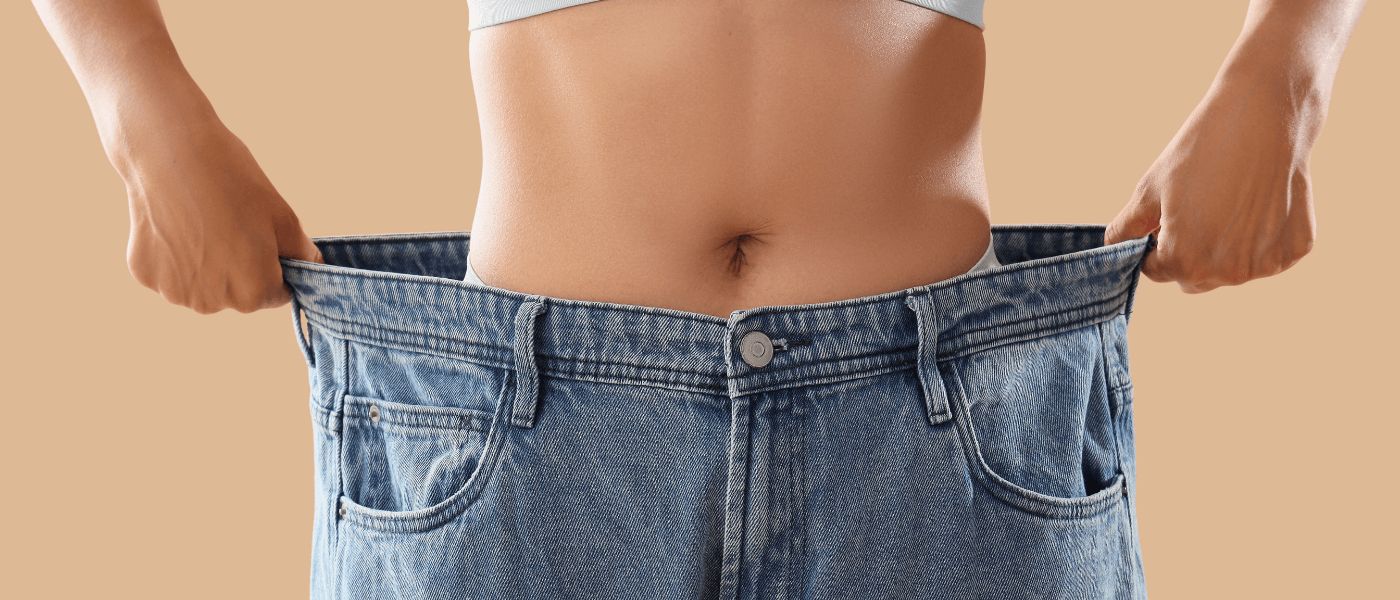
In the quest for effective weight loss solutions, many turn to peptides for weight loss, wondering: do peptides help you lose weight? These short chains of amino acids act as signaling molecules in the body, influencing everything from hunger hormones to metabolism. Unlike traditional diets or exercises alone, peptides target specific pathways to promote fat loss, reduce body fat, and support overall weight management. Studies suggest certain peptides, like GLP-1 agonists, can lead to significant weight loss by curbing appetite and enhancing fat breakdown, potentially improving body composition and even lowering body mass index (BMI) in those struggling with excess body weight.
While peptides show promise for body weight reduction and long-term weight management, their effectiveness depends on factors like dosage, lifestyle, and individual response. For instance, peptides such as semaglutide or CJC-1295 may accelerate fat loss when combined with a calorie deficit and strength training, helping shift body composition toward lean muscle over stubborn fat stores. However, they're not magic bullets—consulting a healthcare professional is key to safely incorporating peptides for weight loss into your routine and achieving sustainable results.
Do Peptides Really Help You Lose Weight?
Peptides can indeed help with weight loss, but not all of them—prescription GLP-1 receptor agonists like semaglutide (found in Wegovy) and tirzepatide (in Zepbound) stand out as game-changers by mimicking gut hormones that curb appetite, slow digestion, and boost satiety, helping users naturally eat less and shed pounds effectively in clinical trials. These aren't over-the-counter supplements or a quick-fix magic bullet, though; they shine brightest when paired with a balanced diet and regular exercise, and they always require a doctor's prescription plus close medical oversight due to potential side effects like nausea, constipation, or more serious risks. If you're eyeing peptides for weight loss, consult a healthcare pro first to see if they're right for your goals.
Explore Trusted Peptide Products Designed for Research from PeptidesPlease
Explore trusted peptide products designed for research from PeptidesPlease, a reliable source offering high-purity options like semaglutide, tirzepatide, and AOD-9604 specifically studied for weight loss applications. These research-grade peptides target appetite suppression, enhanced fat metabolism, and improved insulin sensitivity, with clinical data showing tirzepatide achieving up to 22.5% body weight reduction and semaglutide delivering 15-20% losses when used in controlled studies. Ideal for investigators exploring obesity interventions, PeptidesPlease ensures rigorous quality testing and precise formulations to support cutting-edge research into sustainable weight management without compromising scientific integrity.
How Do Peptides Help You Lose Weight?
Peptides drive weight loss by mimicking appetite-regulating hormones, slowing digestion for lasting fullness, and ramping up fat burning. They promote fat oxidation, preserve lean muscle, and enhance insulin sensitivity—helping you shed pounds without the muscle-wasting pitfalls of crash diets.
- Appetite Suppression: Peptides like GLP-1 receptor agonists (e.g., semaglutide) imitate gut hormones that signal fullness to the brain, curbing cravings and calorie intake.
- Slowed Gastric Emptying: By delaying stomach emptying, these compounds keep you satiated longer, reducing overall food consumption without hunger pangs.
- Boosted Fat Metabolism: Specialized peptides such as AOD-9604 stimulate lipolysis—the breakdown of stored fat into usable energy.
- Better Insulin Sensitivity: Peptides stabilize blood sugar, minimizing fat storage from excess glucose and supporting steady energy levels.
- Muscle Preservation: They shift the body to burn fat over muscle, sustaining metabolism during calorie deficits for sustainable results.
Do Collagen Peptides Help You Lose Weight?
Collagen peptides don't directly burn fat or serve as a magic bullet for weight loss, but they can play a supportive role when paired with a balanced diet and regular exercise. Rich in protein, they promote satiety by helping you feel fuller longer, which curbs unnecessary snacking and makes calorie control easier. During periods of restriction, collagen helps preserve lean muscle mass, supporting a higher metabolism and better body composition over time. Plus, by improving joint health and mobility, it encourages more consistent physical activity without discomfort. Emerging research highlights these effects through collagen's influence on hormones like appetite regulators and its role in muscle repair, positioning it as a smart addition to your wellness routine—though results vary and more studies are needed.
How Do Collagen Peptides Help You Lose Weight?
Collagen peptides support weight loss mainly by boosting satiety to curb calorie intake. This protein triggers fullness hormones like GLP-1, steadies blood sugar levels, and preserves lean muscle during calorie cuts. It also enhances joint health, making workouts easier and more consistent.
- Boosted Satiety and Appetite Control: Collagen ramps up fullness better than many proteins, slashing cravings and between-meal snacking.
- Muscle Preservation: Weight loss often strips muscle, slowing metabolism—collagen helps retain lean mass to keep your engine running.
- Targeted Fat Reduction: Research shows 15–20g daily, paired with resistance training, trims body fat and waist size effectively.
- Enhanced Mobility: Joint support reduces pain, helping you stick to regular exercise without discomfort.
- Higher Thermic Effect: Like other proteins, collagen forces your body to burn extra calories just to digest it.
Peptides and Fat Loss Explained
Peptides for fat loss are short chains of amino acids that function as powerful biological messengers, signaling the body to boost metabolism, curb appetite, and accelerate fat breakdown—often delivered via injections for optimal absorption. Standouts include GLP-1 agonists like Semaglutide, which mimic gut hormones to enhance satiety and regulate blood sugar for effortless calorie control, alongside fat-burning and muscle-preserving options such as AOD-9604 (a targeted lipolytic fragment of human growth hormone), CJC-1295 (which amplifies growth hormone release for enhanced fat oxidation), and Ipamorelin (a selective GH secretagogue that promotes lean mass while shredding stubborn fat). When paired with a balanced diet, exercise, and lifestyle tweaks, these peptides can drive significant, sustainable weight loss, making them a game-changer for body recomposition in bodybuilding and wellness routines.
Peptides and Appetite Control
Peptides like GLP-1, PYY, ghrelin, and GIP serve as key signaling molecules that fine-tune appetite, satiety, and energy balance by targeting the brain's hypothalamus. Synthetic versions, such as Semaglutide (a GLP-1 agonist) and Tirzepatide (dual GLP-1/GIP agonist), drive weight loss by curbing hunger, delaying gastric emptying, and boosting fullness signals.
Key Appetite-Regulating Peptides
- GLP-1 (Glucagon-like peptide-1): Triggers post-meal satiety, slows stomach emptying, and sharpens insulin response; powers drugs like Wegovy for effective weight control.
- PYY (Peptide YY3–36): A gut-derived hormone that suppresses appetite (anorexigenic); levels often drop in people with obesity.
- Ghrelin: The "hunger hormone" that ramps up appetite before meals and quiets down after eating.
- GIP (Glucose-dependent insulinotropic polypeptide): Teams up with GLP-1 to amplify fat loss and stabilize blood sugar.
How Peptide Therapies Work
- Appetite Suppression: Mimics like Semaglutide bind brain receptors to dial down cravings and hunger pangs.
- Slower Digestion: Delays food leaving the stomach, extending that "full" feeling.
- Multi-Target Power: Next-gen options like Retatrutide hit GLP-1, GIP, and glucagon receptors for superior results.
Peptides and Metabolism
Peptides—short chains of amino acids—act as powerful signaling molecules that regulate metabolism. They control appetite, fat breakdown, insulin sensitivity, and energy use by messaging along the gut-brain axis and between tissues. Therapeutic stars like GLP-1 agonists (semaglutide) and collagen peptides boost metabolic health and muscle growth.
- Appetite and Energy Control: Peptides like GLP-1 mimic satiety signals to curb hunger and drive weight loss. Others, such as MOTS-c, ramp up energy expenditure and shrink visceral fat.
- Insulin Sensitivity and Glucose Management: Food-derived bioactive peptides (from milk or soy) enhance insulin response via pathways like AMPK and AKT.
- Fat Loss and Muscle Building: Targeted options like AOD-9604 and CJC-1295 melt fat, build lean muscle, and supercharge metabolism.
- How They Work: These molecules bind specific receptors to curb adipogenesis (fat cell growth) and optimize mitochondrial function.
Peptides and Insulin Sensitivity
Peptides, ranging from bioactive food-derived compounds to cutting-edge therapeutic agents like semaglutide and tirzepatide, play a pivotal role in enhancing insulin sensitivity and metabolic health. These versatile molecules activate key metabolic pathways such as IRS-1/PI3K/Akt and AMPK, which promote efficient glucose uptake while curbing chronic inflammation that often impairs insulin signaling. By inhibiting enzymes like DPP-4 and facilitating GLUT4 translocation to the cell membranes in adipose and muscle tissues, peptides help regulate blood sugar levels, reduce insulin resistance, and support overall glycemic control—making them powerful allies in managing type 2 diabetes, obesity, and related conditions.
Peptides vs Traditional Weight Loss Methods
Peptides for weight loss, such as semaglutide and tirzepatide, provide a targeted pharmaceutical edge over traditional diet-and-exercise methods by precisely regulating metabolism, appetite hormones like GLP-1, and hunger signals, often delivering faster and more substantial results—up to 15-20% body weight reduction in clinical trials—compared to the slower, more variable outcomes of calorie restriction and cardio alone. While peptides demand medical supervision due to potential gastrointestinal side effects like nausea, they excel at smashing weight loss plateaus, preserving lean muscle mass during rapid fat loss (unlike traditional approaches that can lead to muscle catabolism), and addressing underlying hormonal imbalances for sustainable long-term success.
Are Peptides Safe for Weight Loss?
Peptides for weight loss can be safe and highly effective when using FDA-approved GLP-1 agonists like semaglutide (Ozempic/Wegovy) or tirzepatide (Mounjaro/Zepbound) under strict medical supervision, but their safety hinges on thorough patient screening, precise dosing, and ongoing monitoring to mitigate common side effects such as nausea, constipation, or gallbladder issues. Importantly, "peptides" isn't a monolithic category—while prescription versions target appetite, blood sugar, and metabolism with proven efficacy, unregulated or experimental supplements sold online pose risks like hormonal disruptions, nutrient deficiencies, or contamination, making them unsuitable for self-administration; always consult a healthcare provider to ensure they're appropriate for your health profile and to avoid long-term pitfalls.
Who Should Consider Peptides for Weight Loss?
Peptides like semaglutide and tirzepatide shine for targeted weight loss. Doctors typically recommend them for adults with a BMI of 30+ (obese) or 27+ (overweight) plus at least one related condition, such as hypertension or type 2 diabetes. They're ideal if you've hit a plateau despite diet and exercise, or deal with hormonal shifts and metabolic slowdowns.
Key BMI and Health Criteria
- Obesity threshold: BMI ≥ 30.
- Overweight with risks: BMI ≥ 27, paired with comorbidities like type 2 diabetes or high blood pressure.
Ideal Candidates
- People get stuck in weight loss plateaus after lifestyle tweaks.
- Those with slow metabolism, hormonal imbalances, or age-related fat gain (common in 30s, 40s, 50s+).
- Individuals facing metabolic syndrome or insulin resistance.
When Peptides May Not Help with Weight Loss
Peptides like GLP-1 agonists (e.g., semaglutide in Wegovy) can support weight loss for some, but they often fall short in specific scenarios.
- Without Lifestyle Changes: Peptides do not burn fat directly or replace calorie control, exercise, or sleep—results in trials relied on these alongside medication, and skipping them yields minimal loss.
- In Certain Health Conditions: People with type 2 diabetes or insulin resistance typically lose less weight (around 3-4% of body weight) compared to non-diabetics, due to metabolic factors.
- Poor Individual Response: Not everyone responds equally; factors like baseline BMI, thyroid issues, or genetics can limit effectiveness, with only about one in three diabetic users losing over 5% without diet tweaks.
- Side Effects Halt Use: Nausea, vomiting, fatigue, or GI issues during dose escalation often reduce adherence, especially without medical oversight.
- Cosmetic or Short-Term Goals: These are FDA-approved for specific obesity criteria, not "vanity pounds"—discontinuing typically leads to regain (up to two-thirds in a year).
- Unsupervised or Fake Products: Compounded or unregulated peptides risk contamination, underdosing, or complications without a doctor's guidance.
Find Reliable Peptide Products for Research at PeptidesPlease
Discover reliable peptide products for research at PeptidesPlease, where cutting-edge options support explorations into weight loss and related health challenges like obesity treatment and chronic weight management. Ideal for studies on how people lose weight through targeted interventions, these peptides shine in research on losing body fat mechanisms, collagen peptide supplementation for skin and joint benefits during fat loss, and even contrasts with whey protein supplementation or scenarios involving weight gain. Delve into lipid metabolism pathways and medical weight loss strategies with lab-grade purity you can trust—perfect for advancing your wellness and bodybuilding research.
Frequently Asked Questions
What is the best peptide for weight loss?
Tirzepatide and semaglutide stand out as top options based on clinical evidence for significant fat reduction and appetite control, often outperforming others like sermorelin or tesamorelin.
Does collagen peptides help lose belly fat?
Collagen peptides show modest benefits for overall body fat reduction, including potential belly fat loss, especially when paired with resistance training, but evidence is limited compared to targeted peptides.
Should I take collagen if I'm trying to lose weight?
Yes, collagen can support weight loss as a high-protein supplement that boosts satiety and lean muscle, aiding metabolism without causing fat gain, though it's best combined with diet and exercise.
How fast do you lose weight on peptides?
Weight loss varies by peptide and factors like diet; GLP-1 agonists like tirzepatide or semaglutide often yield 10-20% body weight reduction over 3-6 months in studies, while others like collagen take 12+ weeks for smaller changes.
Which peptides are most effective for body fat reduction?
GLP-1/GIP agonists (Semaglutide, Tirzepatide, Retatrutide), growth hormone secretagogues (AOD-9604, Tesamorelin), and 5-Amino-1MQ actively aid fat loss.
Summary
Peptides can indeed aid weight loss by targeting key mechanisms like appetite suppression through GLP-1 agonists such as semaglutide and tirzepatide, boosting metabolism via growth hormone stimulators like CJC-1295 or sermorelin, and enhancing fat breakdown with compounds like AOD-9604, often leading to 15-20% body weight reduction in studies when used properly. These short amino acid chains mimic natural hormones to improve insulin sensitivity, preserve lean muscle, and promote sustainable fat loss, making them a science-backed tool for those struggling with obesity or stalled progress. However, peptides are most effective alongside diet, exercise, and medical supervision to mitigate risks like side effects or dependency, ensuring they enhance rather than replace healthy lifestyle changes.