When people start looking into IV therapy, the same question keeps popping up: can you mix glutathione and vitamin C in IV, or should they stay in separate lanes? It sounds simple, but once you get into how these compounds behave inside the body and inside an IV bag, things get more technical.
Both are widely used in vitamin C therapy protocols across the U.S., especially for skin benefits, immune system support, and recovery from environmental stress. You’ll also see them discussed in the context of skin brightening, collagen production, and overall skin health. But mixing them is not just about convenience. It is about stability, compatibility, and making sure you are not turning a well-planned infusion into a watered-down version of what it should be.
Understanding the Gulathione and Vitamin C Combination
Glutathione and vitamin C sit in the same category, but they do not do the same job. One is made from amino acids and works deep inside cells. The other moves through fluids in the body, backing up multiple systems at once. When people talk about this combination, they are usually talking about antioxidant support, skin health, and maintaining healthy skin over time.
Glutathione plays a central role in liver function and detoxification. It helps the body process harmful substances and supports pathways that keep internal systems running smoothly. Vitamin C, especially in vitamin C IV therapy, supports collagen synthesis, immune function, and wound healing. That is why the pairing shows up often in protocols focused on skin benefits and recovery.
Here is where things start to click. When glutathione becomes oxidized glutathione after neutralizing free radicals, vitamin C can help recycle it back into its active form. That recycling process matters if the goal is to maintain optimal glutathione levels.
From a skin perspective, both compounds influence melanin production. This is where conversations about skin tone, uneven skin tone, and skin lightening start to come into play. Vitamin C also supports collagen production, which contributes to skin texture, while glutathione is often linked to skin brightening and a more even appearance.
You could take oral supplements or vitamin C supplements, but IV therapy changes the equation. It allows higher concentrations to reach circulation, which is why many people turn to vitamin C therapy instead of relying only on oral supplements.
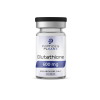
Find Reliable Peptide Products for Research at PeptidesPlease
When you are working with compounds that are this sensitive, quality is not a side note. It is the whole story. You can talk about skin radiance, immune system support, and collagen synthesis all day, but if the inputs are inconsistent, the results will not line up.
PeptidesPlease focuses on research-grade peptides that meet ≥99% purity standards. Everything is manufactured in certified facilities and verified through third-party testing. That level of control matters, especially when researchers are studying interactions tied to overall skin health, liver function, and antioxidant activity.
Can You Mix Glutathione and Vitamin C?
Both glutathione and vitamin C therapy solutions are considered compatible under certain circumstances. They can exist in the same IV therapy setup, and in some cases, they are combined to support skin benefits and immune function. But the real issue is stability.
Glutathione is sensitive. It does not like light, air, or unstable pH levels. Vitamin C, especially in the form of ascorbic acid, is also prone to oxidation. When you mix them, you are dealing with two compounds that can degrade if handled incorrectly. Here is what usually gets considered in clinical settings:
- The pH of the solution affects how stable glutathione remains
- Exposure to air can reduce potency over time
- Timing of administration can impact effectiveness
- Storage conditions influence how long the mixture stays viable
That is why some providers lean toward separating them during IV therapy. It is not because they cannot be mixed. It is because maintaining their effectiveness is easier when they are handled individually.
From a practical standpoint, mixing them can support skin brightening and skin tone goals, but only if the preparation is done correctly. Otherwise, you are just diluting potential benefits.
Why Glutathione and Vitamin C Are Combined?
This pairing shows up everywhere for a reason. It is not random, and it is not just about trends in vitamin C IV therapy. It comes down to how these compounds interact inside the body.
When oxidative stress builds up, the body needs multiple lines of defense. Glutathione works inside cells, while vitamin C operates in fluids outside cells. Together, they create a more complete system. Let’s break it down in a way that actually sticks:
- Vitamin C helps regenerate oxidized glutathione back into its active form
- Glutathione supports detox pathways tied to liver function
- Vitamin C supports collagen production and collagen synthesis
- Both contribute to skin benefits like skin brightening and improved skin texture
This combination is also linked to how the body responds to sun exposure and environmental stress. Over time, these factors contribute to skin damage and uneven skin tone. Supporting antioxidant systems may help maintain healthy skin and improve overall skin health.
There is also a cosmetic angle. Some people use vitamin C therapy and glutathione together for skin lightening and a more radiant complexion. That said, results vary, and outcomes depend on multiple factors including consistency and baseline health.
What Forms of Vitamin C Can You Mix with Glutathione?
The form of vitamin C you use can affect compatibility, stability, and how the body responds. This becomes important when pairing it with glutathione. Here are the common forms used:
- Ascorbic acid, which is more acidic and may require buffering
- Sodium ascorbate, which is less acidic and often better tolerated
- Buffered vitamin C solutions designed for IV therapy
Ascorbic acid shows up often in vitamin C therapy, but its acidity can influence how glutathione behaves in the same solution. Sodium ascorbate tends to be more stable, making it a more practical option when combining compounds.
For skin benefits, both forms support collagen production and contribute to skin radiance. They also play a role in supporting the immune system and immune function, especially under stress.
Can You Combine Glutathione and Vitamin C in an IV Drip?
This is where things get real. In actual IV therapy settings, you will see different approaches depending on the provider. Some mix them in the same IV drip. Others keep them separate. Both methods exist, and both are used.
Combining them can be efficient, especially in vitamin C IV therapy protocols focused on skin brightening and overall skin health. Sequential administration, on the other hand, helps preserve the integrity of glutathione.
There is also a practical angle here. Glutathione is often used to support detoxification and liver function, while vitamin C therapy supports collagen synthesis and immune system activity. Keeping them separate can make it easier to control how each one behaves.
From a skin perspective, people often look at this combination for maintaining healthy skin, improving skin tone, and supporting a radiant complexion. But again, preparation matters. Without proper handling, you risk reducing the effectiveness of both compounds.
Can You Mix Vitamin C with Reduced Glutathione?
Reduced glutathione is the active form. It is the version responsible for most of the antioxidant activity people are after.
Mixing vitamin C with reduced glutathione is possible, but it requires careful handling. Reduced glutathione can shift into oxidized glutathione if conditions are not ideal. That shift changes how effective it is.
Vitamin C can help maintain optimal glutathione levels by supporting the conversion back to its active form. But this only works if the environment is controlled.
In IV therapy, timing plays a major role. The longer reduced glutathione sits in solution, the higher the chance of degradation. That is why some providers prefer to add it last or administer it separately.
From a benefits standpoint, this combination is often linked to skin benefits like skin brightening, improved skin texture, and support for a radiant complexion. It may also help calm irritated skin after stress or sun exposure.
Can You Mix Vitamin C with Oral Glutathione?
Let’s shift gears out of IV therapy for a second and talk about what happens when things go the oral route. Mixing vitamin C with oral glutathione is not only possible, it is actually one of the more common combinations people use when they are not dealing with intravenous administration.
Here is the catch. Oral glutathione has lower bioavailability compared to glutathione injections. Your digestive system breaks a good portion of it down before it even gets a chance to do its thing. That said, combining vitamin C with it can still make sense. Vitamin C acts as one of those powerful antioxidants that supports reducing oxidative stress and protecting cells from oxidative damage.
From a skin standpoint, people often pair the two for goals like improving overall skin tone, helping fade dark spots, and supporting healthier looking skin. There is also some interest in reducing melanin production, which ties into achieving a more even skin tone over time.
Now, before anyone starts expecting overnight results, let’s get real. Oral supplements depend heavily on consistency and lifestyle factors. Things like diet, sleep, and sun exposure all play a role. If you are chasing better skin quality while ignoring those basics, you are basically trying to mop the floor while the sink is still running.
Can You Mix Vitamin C with Sublingual Glutathione?
Sublingual glutathione sits somewhere between oral supplements and more direct delivery methods. It absorbs through the tissues under the tongue, which helps bypass part of the digestive breakdown. That alone gives it a bit more potential when combined with vitamin C.
When combining vitamin C in this context, the goal is still centered around reducing oxidative stress and supporting cellular health. These compounds work as powerful antioxidants, and together they help with protecting cells and maintaining balance in the body.
People often lean into this combination for skin-related goals like improving skin elasticity, supporting cell turnover, and addressing concerns like acne scars or uneven texture. It also ties into broader concerns like premature aging, which is often linked to cumulative oxidative damage.
There is a practical angle here too. Vitamin C can help maintain glutathione in a more active state, even outside of IV therapy. So while it is not as direct as intravenous administration, the pairing still has a functional role.
Can You Mix Vitamin C with Intranasal Glutathione?
Intranasal glutathione is a more niche option, but it does come up, especially in discussions around neurological support and targeted absorption. Mixing vitamin C directly with intranasal glutathione is not standard practice. These are usually administered separately.
That said, combining vitamin C through other routes while using intranasal glutathione can still support broader goals like reducing oxidative stress and supporting cellular health. Both compounds fall under the category of powerful antioxidants, and they contribute to protecting cells in different ways.
From a skin perspective, this is not the go-to method for improving skin quality or achieving a more even skin tone. However, the systemic effects of reducing oxidative damage can still play a role in how the skin looks over time.
If anything, this approach is more about internal balance than direct cosmetic outcomes. Think less instant glow, more long game.
Stability Considerations When Mixing Glutathione and Vitamin C in IV
Now we are back in IV territory, where things get a little more technical and a lot less forgiving. Stability is the name of the game here. You can have the perfect plan on paper, but if the compounds degrade before they reach circulation, the whole setup falls apart. Let’s break down the key factors that affect stability:
- Glutathione is sensitive to oxygen, which can push it into an oxidized state
- Vitamin C can also degrade, especially when exposed to light or heat
- pH levels influence how both compounds behave in solution
- Time in solution directly affects potency
These variables matter because intravenous administration requires precision. You are delivering compounds directly into circulation, so there is no buffer zone like digestion to soften mistakes.
When stability is managed correctly, the combination can support reducing oxidative stress, liver detoxification, and supporting liver function. That ties into broader benefits like improving skin quality and addressing signs of premature aging.
Safety Considerations for Glutathione and Vitamin C Use
Let’s talk safety, because this is where things stop being theoretical and start being real-world decisions. Whether you are dealing with glutathione injections or vitamin C therapy, proper guidance matters. Here are the main considerations:
- Dosage should be determined by a qualified professional
- Pre-existing conditions can affect how the body responds
- Hydration levels influence how IV therapy is tolerated
- Monitoring during intravenous administration helps catch issues early
Both compounds are generally well-tolerated, but that does not mean they are risk-free. Overuse or improper administration can lead to unwanted effects.
From a benefits perspective, when used correctly, they can support reducing oxidative stress, protecting cells, and contributing to healthier looking skin. They may also play a role in managing premature aging and maintaining overall balance in the body.
Common Misconceptions and Mistakes in Mixing Glutathione and Vitamin C
There is a lot of noise out there, and not all of it is useful. Let’s clear up some of the more common misconceptions.
- Mixing them always improves results
- Higher doses automatically mean better outcomes
- All forms of vitamin C behave the same
- Timing does not matter
None of these are entirely accurate. Combining vitamin C and glutathione can be beneficial, but only when done correctly. More is not always better, especially when stability becomes an issue.
Another common mistake is assuming that all methods of combining vitamin compounds work the same way. Oral, sublingual, and IV approaches each have their own dynamics.
And here is a big one. People often overlook external factors. If you are not managing sun exposure or making an effort to avoid sun exposure when needed, you are working against your own goals. Skin concerns like uneven tone, acne scars, and dullness are influenced by more than just what goes into your body.
Common Mistakes When Injecting Glutathione
Glutathione injections are not something to take lightly. There are a few recurring mistakes that show up, and they are worth addressing.
First, improper dosing. Too much too quickly can overwhelm the system rather than support it. Second, poor storage. Glutathione degrades if it is not handled correctly. Third, lack of professional oversight. This is where things can go sideways fast.
Another issue is unrealistic expectations. While glutathione injections are associated with goals like improving skin’s firmness, supporting liver detoxification, and achieving a more even skin tone, they are not magic.
They work best as part of a broader approach that includes lifestyle factors like nutrition, hydration, and consistent care.
Best Practices When Injecting Glutathione
If you are going to do this, do it right. Here are some best practices to keep in mind:
- Work with trained professionals for intravenous administration
- Ensure proper storage and handling of all compounds
- Use high-quality materials to support consistency
- Monitor response and adjust protocols as needed
When done correctly, glutathione injections can support reducing oxidative stress, improving cellular health, and contributing to better skin quality over time. They may also play a role in addressing premature aging and maintaining skin elasticity.
Explore Trusted Peptide Products Designed for Research from PeptidesPlease
At the end of the day, everything circles back to quality. You can talk about combining vitamin protocols, reducing oxidative stress, and supporting cellular health all day, but if the foundation is shaky, none of it holds up.
Whether the focus is on supporting liver function, improving skin quality, or understanding how compounds influence processes like cell turnover and oxidative balance, reliable sourcing is key.
PeptidesPlease provides bioregulators with ≥99% purity, manufactured in certified facilities and verified through independent third-party testing. That level of consistency matters, especially when studying how powerful antioxidants interact in controlled environments.
Frequently Asked Questions
Can glutathione be mixed with Vitamin C?
Yes, glutathione can be mixed with Vitamin C, but it depends on proper preparation and stability conditions. Many providers choose to administer them carefully to preserve their effectiveness.
Can you take Vitamin C and glutathione in the same IV bag?
They can be placed in the same IV bag, but some clinicians prefer separate or sequential administration to maintain potency and reduce the risk of degradation.
What are the benefits of IV glutathione with Vitamin C?
This combination is often used for reducing oxidative stress, supporting liver function, and promoting skin benefits like a more even skin tone and improved skin appearance.
What is the best time to take Glutathione and Vitamin C?
There is no strict timing rule, but consistency matters. For IV therapy, timing is determined by a provider, while oral use is often spaced throughout the day for better absorption.
What are the results of glutathione and vitamin C IV drip?
Results vary, but some people report improvements in overall skin tone, skin brightness, and general wellness when used consistently under proper guidance.
Are glutathione and Vitamin C compatible in IV infusions?
Yes, combining IV Vitamin C and glutathione creates a powerful synergistic antioxidant effect, as Vitamin C recycles oxidized glutathione back to its active reduced state.
Summary
Mixing glutathione and vitamin C in IV therapy is possible, but it is not a casual decision. It depends on preparation, timing, and the form of vitamin C being used. When handled correctly, the combination can support skin benefits, collagen production, immune function, and overall skin health. When handled poorly, you lose effectiveness before the infusion even begins.
At PeptidesPlease, we focus on what comes before all of that. We provide popular peptides with ≥99% purity, manufactured in certified facilities and verified through independent third-party laboratory testing. No shortcuts, no inconsistencies.
We keep things precise, because when you are working with compounds that influence everything from skin radiance to detox pathways, close enough does not cut it.