A small vial of clear liquid sitting in a lab tray doesn’t look like much. No color, no aroma, no dramatic fizz, just sterile water quietly doing its job behind the scenes. But in peptide research, that humble vial of bacteriostatic water carries a surprisingly important role. It’s the backstage technician that keeps everything running smoothly. And like any reliable crew member, how you store it matters.
At some point, almost every researcher or lab assistant asks the same practical question: Can you freeze bacteriostatic water? It sounds simple enough. After all, freezing liquids is a standard way to extend shelf life. From biological samples to certain reagents, cold storage often slows chemical breakdown and microbial growth. But bacteriostatic water isn’t an ordinary bottle of distilled H₂O.
So before sliding bacteriostatic water next to your frozen lab samples, it helps to understand what actually happens at low temperatures, what manufacturers recommend, and why freezing might cause more trouble than convenience.
Does Bac Water Freeze?
Alright. Picture a quiet lab bench. Stainless steel tray. A few sterile syringes waiting patiently. And sitting there like the calmest thing in the room is a little vial of bacteriostatic water. Nothing flashy about it. No bright color. No dramatic label screaming for attention. Just sterile liquid doing its job so researchers can prepare solutions for injection during peptide studies.
Now the question that pops up more often than people admit is this. Does bac water freeze?
Technically speaking, yes. Since bacteriostatic water is mostly purified water with a small amount of bacteriostatic preservative, it behaves a lot like regular water when temperatures drop. If the temperature falls to around 32°F, the liquid can freeze. That part is basic science. But the real conversation starts after that moment.
Because freezing bacteriostatic water is not just about temperature. It is about safety, storage conditions, and laboratory security protocols. Researchers rely on controlled environments where reagents stay predictable. A frozen vial might look fine after thawing, but inside the solution something different may be happening.
Think about it like running a security verification before entering a lab facility. The system checks credentials. It confirms identity. When the process works correctly, you get the green light. Verification successful. Everything continues smoothly.
Freezing bacteriostatic water interrupts that smooth process. The preservative can shift concentration. Ice crystals can form uneven structures. Even the vial itself may experience pressure during freezing.
Find Reliable Peptide Products for Research at PeptidesPlease
Before a peptide ever lands on a laboratory bench, it moves through multiple layers of review that look a lot like a digital security service performing system checks. Manufacturing facilities follow strict protocols. Independent laboratories analyze purity levels. Documentation confirms identity and composition. By the time the material reaches researchers, the internal process has already run its version of performing security verification.
PeptidesPlease supplies popular peptide research compounds manufactured in certified facilities, then validated through independent third party testing. The end result is a supplied unit researchers can rely on when planning experiments that require precise preparation conditions.
Can You Freeze Bac Water?
Most pharmaceutical labels recommend storing bacteriostatic water at USP controlled room temperature. That temperature range keeps the water and its bacteriostatic preservative balanced so the solution performs as expected during repeated sterile withdrawals.
The reason becomes clearer when you consider what freezing actually does to liquids and containers. Freezing is not just cold storage. It is a physical transformation that changes pressure, structure, and chemical distribution inside the vial.
Before we continue, let us break down the most common concerns researchers run into when they try freezing bacteriostatic water.
- Expansion inside the vial
Water expands during freezing. That expansion can stress glass containers and rubber stoppers. Even a tiny structural change can weaken sterile seals. In laboratory terms, that becomes a security risk because outside contaminants may eventually find their way inside. - Uneven preservative concentration
As ice crystals form, pure water molecules freeze first. The bacteriostatic preservative becomes concentrated in pockets of liquid that freeze later. When thawing happens, the solution may not redistribute perfectly. - Reduced predictability for injection preparation
Researchers preparing solutions for peptide injection rely on predictable solvent composition. When freezing alters the internal distribution of ingredients, consistency may be affected. - Manufacturer testing limits
Stability testing usually evaluates products stored at USP controlled room temperature, not frozen conditions. Freezing places the product outside the conditions where manufacturers confirmed stability.
After hearing all that, the idea of tossing bac water into the freezer starts to feel a little less appealing.
In research labs where security, safety, and controlled preparation matter, sticking to recommended storage practices usually saves a lot of headaches later.
Why Freezing Bacteriostatic Water Is Not Recommended
When scientists design laboratory procedures, they aim for consistency. Same materials. Same temperature conditions. Same preparation techniques. The goal is to keep variables from sneaking into the experiment like an uninvited guest.
Freezing bacteriostatic water introduces several variables that can interfere with that stability. Let us walk through the main ones.
- Pressure buildup in sealed containers
As water freezes it expands. Inside a sealed vial that expansion pushes against glass walls and rubber seals. Even if the container does not crack, tiny stresses can compromise sterility over time. - Preservative redistribution
The bacteriostatic preservative inside the solution may shift as ice forms. That means the antimicrobial component could become unevenly distributed when thawed. - Temperature shock
Rapid swings between freezing and room temperature can affect solution stability. Exposure to extreme heat after freezing only increases the stress placed on the liquid. - Laboratory safety concerns
Any unexpected change in solvent behavior may affect how solutions are prepared for research injection protocols.
Researchers spend a lot of time building reliable laboratory workflows. Freezing bacteriostatic water adds unnecessary uncertainty. That is why most labs simply avoid it and focus on proper storage instead.
What Manufacturers Say About Freezing Bacteriostatic Water
If you want the clearest answer about storing bacteriostatic water, the manufacturer instructions tell the story pretty quickly.
Pharmaceutical labels usually recommend storing bacteriostatic water at USP controlled room temperature. That range protects the stability of the sterile water and its preservative component. It also keeps the vial within the conditions used during stability testing. There are also several environmental factors that manufacturers advise avoiding:
- Direct sunlight
Ultraviolet exposure can gradually influence solution stability. - Extreme heat
High temperatures may accelerate chemical changes in the liquid. - Improper handling of unopened vials
Even though unopened vials remain sealed and sterile, they should still be stored in stable environments. - Exposure during transportation
Storage facilities and production sites, including pharmaceutical manufacturing hubs such as Lake Forest, follow controlled environmental protocols to maintain product quality.
When researchers follow these guidelines, the supplied unit maintains its expected characteristics throughout the product's labeled shelf life.
That means fewer surprises during laboratory preparation for peptide injection procedures, and a smoother workflow overall.
What Happens When You Freeze Bacteriostatic Water?
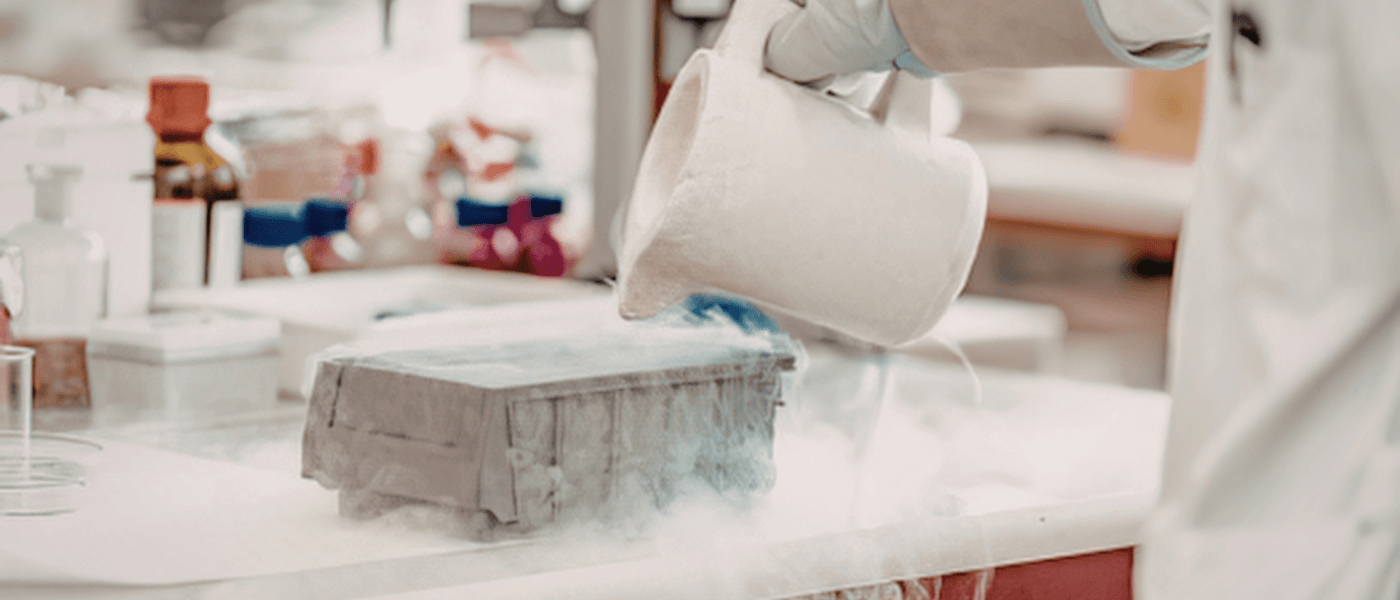
When temperatures drop below freezing, water molecules slow down and begin forming structured ice crystals. Those crystals push dissolved substances away as the solid structure grows. This creates pockets of liquid that contain higher concentrations of dissolved ingredients.
Here is the part many people do not realize. Pure water molecules freeze first. As the crystals form, they push dissolved substances away from the growing ice structure. That means the preservative and other dissolved components can become temporarily concentrated in the remaining pockets of liquid.
Once the vial thaws, the ice melts back into liquid form and the solution may look completely normal again. The clarity often appears unchanged. No cloudiness. No obvious separation. Everything might look perfectly fine sitting on the lab bench.
None of this means a single freeze event automatically ruins bacteriostatic water. But it does explain why most manufacturers recommend storing the solution at room temperature instead of in a freezer. When storage conditions stay stable, the solution maintains the balance that allows it to perform reliably during repeated laboratory use.
How Freezing Affects the Benzyl Alcohol Preservative
The preservative in bacteriostatic water plays a quiet but important role. Benzyl alcohol works as the bacteriostatic preservative, helping prevent bacterial growth when the vial is punctured multiple times with sterile needles during laboratory work. When freezing enters the picture, several things may affect how that preservative behaves.
- Concentration pockets form during freezing
Ice crystals push dissolved substances into remaining liquid spaces. This can temporarily concentrate the preservative. - Redistribution may not be perfect during thawing
Once the solution melts, the preservative might not immediately return to a perfectly even distribution. - Repeated temperature cycling increases instability risk
Freezing followed by thawing can slowly affect solvent consistency. - Injection preparation depends on stability
Researchers preparing solutions for peptide injection want predictable antimicrobial protection throughout the vial.
The preservative is what allows bacteriostatic water to be used multiple times under sterile conditions. Maintaining its stability supports both safety and laboratory security practices.
That is why most researchers simply store bacteriostatic water at room temperature and keep it away from extreme conditions.
Does Freezing Make Bacteriostatic Water Unsafe?
Bacteriostatic water is commonly used when preparing solutions for peptide research injection procedures. Because of that role, the solution needs to maintain both clarity and chemical balance. When freezing occurs, the water expands and the preservative inside may shift concentration during the freezing and thawing process. That shift does not automatically mean the solution becomes dangerous, but it can introduce uncertainty.
And in research environments, uncertainty is something people try to avoid whenever possible.
Think of it like checking information on a website before following instructions. The data might still be technically correct, but if the formatting looks strange or something seems slightly off, you pause and double check. Scientists do the same thing with solutions that may have experienced unusual storage conditions.
If bacteriostatic water freezes once and then thaws naturally, the liquid might appear completely normal. The clarity could still look perfect. The vial may show no visible damage. However, appearance alone does not always confirm that the preservative distribution inside the liquid stayed exactly the same.
In that case, the safest approach is careful evaluation. Researchers often inspect the solution visually and consider whether the storage conditions stayed within acceptable guidelines. If the vial experienced repeated freezing cycles or questionable handling, it may be better to discard the product and use a new vial.
What to Do If Bacteriostatic Water Accidentally Freezes
Now imagine this scenario. A lab technician opens a storage unit and notices a vial that clearly spent some time in the freezer. Maybe someone placed it there during a busy shift. Maybe a storage refrigerator dipped below its normal temperature overnight. It happens.
The key is knowing how to respond calmly and safely.
First, allow the vial to thaw naturally at room temperature. Avoid heating it aggressively or trying to speed up the thawing process. Once the liquid returns to normal form, examine the solution carefully. The clarity should look identical to fresh bacteriostatic water. No particles. No cloudiness. No floating debris.
If the solution looks perfectly clear, the next step is deciding whether the vial still fits the laboratory’s precautions and handling policies. Some labs allow a single freeze event if the container remains intact. Other laboratories take a stricter approach and choose to discard the vial immediately to eliminate any possibility of altered preservative concentration.
Another factor to consider is how the solution will be used. If it will be combined with delicate compounds or used to prepare precise dose measurements during peptide research, reliability becomes extremely important. Even small variations in solvent composition can influence results.
When uncertainty enters the picture, many research teams follow a simple rule. If storage conditions fall outside recommended guidelines and documentation cannot verify stability, the safest option is replacement.
Recommended Temperature for Bacteriostatic Water
Temperature control is one of the quiet heroes of laboratory science. Nobody celebrates it. Nobody hangs posters about it on the wall. Yet it plays a huge role in maintaining reliable reagents and stable solutions.
Bacteriostatic water is typically stored at USP controlled room temperature, which generally falls between 68°F and 77°F. This range allows the water and preservative to remain evenly distributed while preserving the chemical stability of the solution.
Some people wonder whether refrigeration might extend the shelf life even further. After all, many biological materials are stored refrigerated to slow down degradation. In the case of bacteriostatic water, refrigeration is not always necessary. Manufacturers usually validate the product for room temperature storage rather than cold storage.
That said, short periods of mild cooling rarely cause problems as long as the solution does not freeze. The real concerns begin when temperatures drop low enough to create ice crystals inside the vial.
Environmental exposure also matters. Storage areas should remain protected from direct sunlight and high heat sources. Even though bacteriostatic water looks simple, the liquid still responds to environmental changes like any other chemical solution.
Following temperature recommendations also helps laboratories maintain organized storage systems. When researchers check inventory or visit a supplier website, they often see the recommended storage conditions clearly displayed on the product page. Those guidelines exist for a reason. Stability testing confirms the solution behaves reliably under those conditions for the duration of its labeled shelf life.
Explore Trusted Peptide Products Designed for Research from PeptidesPlease
When researchers work with peptides, every step of preparation matters. The source of the compound, the solvent used for reconstitution, the environment where the experiment takes place. Each part of the process connects like pieces of a puzzle.
That is why sourcing dependable materials from trusted suppliers can make research workflows smoother from the beginning.
At PeptidesPlease, researchers can browse a wide selection of peptide blends designed specifically for laboratory use. Each item listed on the company website includes documentation that helps scientists review important information before purchasing. Product specifications, purity levels, and testing data are typically displayed directly on the product page, allowing visitors to evaluate whether a compound fits their research needs.
Frequently Asked Questions
Can I put bacteriostatic water in the freezer?
It is generally not recommended. Bacteriostatic water is designed to be stored at USP controlled room temperature, and freezing can alter the internal balance of the solution. For consistent safety and reliable preparation for laboratory injection, most researchers follow the manufacturer’s storage guidelines rather than placing the vial in a freezer.
Is freezing bacteriostatic safe?
Freezing does not automatically make bacteriostatic water dangerous, but it can introduce uncertainty in the solution. Because the liquid contains a bacteriostatic preservative, freezing may shift how that preservative is distributed throughout the vial. For research consistency, laboratories usually avoid freezing the solution.
What happens if bacteriostatic water freezes?
When bacteriostatic water freezes, ice crystals form and push dissolved ingredients into small pockets of liquid. After thawing, the solution may still look normal and maintain good clarity, but the internal distribution of the preservative may not be exactly the same as before.
Does freezing bacteriostatic water damage it?
Freezing can place stress on the vial and potentially affect the internal composition of the solution. In some cases the liquid may still appear fine after thawing, but if the container shows damage or the solution appears cloudy, laboratories often choose to discard the vial to maintain reliable research conditions.
Does freezing affect the benzyl alcohol in bacteriostatic water?
Yes, freezing can influence how benzyl alcohol behaves in the solution. During freezing, the preservative may become concentrated in small areas of liquid. After thawing, the preservative may not immediately redistribute evenly, which can affect how the solution performs during repeated use.
Can freezing reduce the effectiveness of bac water?
It can. Because the antimicrobial protection in bacteriostatic water depends on the preservative remaining evenly distributed, freezing may reduce its reliability. For that reason, researchers typically follow recommended storage practices and replace the vial if storage conditions become questionable.
What happens if you freeze bacteriostatic water?
Freezing BAC water is not recommended because expansion can compromise the glass vial integrity and alter the uniform concentration of benzyl alcohol upon thawing.
Summary
Bacteriostatic water may look like ordinary sterile water, but the small amount of benzyl alcohol inside plays a crucial role in preventing bacterial growth during repeated use. While the solution can technically freeze, freezing introduces changes that may affect the distribution of the preservative, the structural integrity of the vial, and the overall stability of the solution. Because of these factors, most manufacturers recommend storing bacteriostatic water at controlled room temperature rather than in a freezer.
In peptide research, maintaining consistency in reagents and preparation methods helps ensure more dependable results. That’s why many researchers rely on suppliers committed to strict quality standards.At PeptidesPlease, we provide research-grade peptides produced at ≥99% purity, manufactured in certified facilities that follow controlled production protocols. Every batch is verified through independent third-party laboratory testing, giving researchers confidence in the composition and reliability of the materials used in their studies.