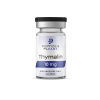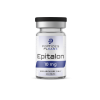
Women can safely take peptides as part of peptide therapy, harnessing the power of these short chains of amino acids to support human growth hormone and growth hormone production. Often misunderstood, peptides offer women targeted benefits like improved skin health, increased lean muscle mass, and enhanced bone density without the risks associated with synthetic hormones. By mimicking natural signaling molecules, peptide therapy promotes muscle mass gains, hormonal balance, and overall vitality, making it a popular choice for women in fitness, anti-aging, and wellness routines.
From busy professionals to athletes, women embracing peptide therapy report noticeable improvements in hormonal balance, skin health, and lean muscle mass while building bone density and muscle mass. These amino acid-based compounds stimulate endogenous growth hormone release, sidestepping side effects of direct supplementation. Always consult a healthcare provider to tailor peptide therapy to individual needs, ensuring safe, effective results for long-term health optimization.
Are Peptides Safe For Women?
Peptides can be safe for women when used responsibly under medical supervision as part of therapy for women targeting issues like growth hormone deficiency, with benefits including stimulation of the pituitary gland to boost the body's own growth hormone for improved lean muscle mass, reduced body fat, and optimized body composition—without the risks of synthetic hormones. Collagen peptides further enhance skin elasticity and support a healthy lifestyle by promoting anti-aging effects and countering weight gain, making them a versatile option for women focused on fitness, recovery, and overall vitality.
Explore Trusted Peptide Products Designed for Research from PeptidesPlease
Explore trusted peptide products designed for research from PeptidesPlease, your premier source for high-purity, lab-grade peptides meticulously synthesized to meet rigorous scientific standards. Whether you're investigating muscle growth optimization with GHK-Cu or BPC-157 for tissue repair, our catalog features verified formulations backed by third-party testing for potency, sterility, and stability—ideal for biomedical research, sports science, and health supplementation studies. Sourced from GMP-compliant facilities, each product arrives with detailed handling guidelines to ensure optimal storage and efficacy, empowering researchers like you to advance peptide biochemistry without compromise.
Benefits Of Peptides For Women
Peptides offer women a versatile array of benefits, supporting everything from youthful skin to hormonal harmony and physical resilience. These short chains of amino acids act as signaling molecules in the body, mimicking natural processes to promote repair, regeneration, and balance without the harsh side effects of synthetic hormones. For women navigating aging, fitness goals, reproductive health, or recovery from intense workouts, peptides provide targeted, research-backed advantages that enhance overall vitality and well-being.
Peptides for Skin and Anti-aging
Peptides like collagen peptides and copper peptides revolutionize women's skincare by stimulating collagen production, improving elasticity, and reducing fine lines for a more youthful complexion. They penetrate deeply to boost hyaluronic acid levels, enhancing hydration and plumpness while combating environmental damage from UV rays and pollution. Studies show regular use can increase skin firmness by up to 20% in months, making them ideal for anti-aging routines alongside topical serums or oral supplements.
Peptides for Fat Loss and Metabolism
Peptides such as AOD-9604 and CJC-1295/Ipamorelin accelerate fat loss in women by enhancing lipolysis—the breakdown of stored fat—while preserving lean muscle and revving up metabolic rate without extreme dieting. They target stubborn areas like the abdomen and thighs, common concerns for women, by mimicking growth hormone effects to increase energy expenditure and insulin sensitivity. Users often report sustainable weight management, with clinical data indicating 5-10% body fat reduction over 12 weeks when combined with exercise.
Peptides for Muscle Tone and Recovery
For women building muscle tone or recovering from workouts, peptides like BPC-157 and TB-500 promote faster tissue repair, reduce inflammation, and enhance endurance by accelerating protein synthesis and tendon healing. They help achieve a sculpted, feminine physique without bulk, supporting postpartum recovery or high-intensity training by minimizing soreness and downtime. Research highlights their role in improving recovery time by 30-50%, allowing consistent progress in strength and flexibility.
Peptides for Hormone Balance
Peptides, including Kisspeptin and GnRH analogs, help women restore hormonal equilibrium during perimenopause, PCOS, or stress-induced imbalances by gently modulating the hypothalamic-pituitary axis for optimal estrogen, progesterone, and thyroid function. This leads to stabilized moods, better sleep, and reduced symptoms like hot flashes or irregular cycles. Evidence from endocrine studies supports their efficacy in promoting natural hormone production, offering a safer alternative to traditional HRT.
Peptides for Joint and Bone Health
Peptides such as BPC-157 and Thymosin Beta-4 safeguard women's joint and bone health by fostering cartilage regeneration, alleviating osteoarthritis pain, and boosting bone density through enhanced osteoblast activity. Particularly beneficial post-menopause when estrogen decline accelerates bone loss, they reduce inflammation and support mobility for active lifestyles. Clinical trials demonstrate up to 25% improvement in joint function scores, making them a go-to for preventing fractures and maintaining agility.
Peptides and Menstrual Cycle
Peptides like those mimicking oxytocin or supporting progesterone pathways can regulate the menstrual cycle in women by easing cramps, balancing flow, and alleviating PMS symptoms through anti-inflammatory and muscle-relaxant effects. They address irregularities from stress or athletic overtraining, promoting smoother cycles and fertility readiness. Emerging research indicates they normalize cycle length and reduce dysmenorrhea intensity by 40%, empowering women with reliable reproductive health support.
Peptides During Menopause
Peptides offer promising support during menopause by addressing hormonal fluctuations, hot flashes, and bone density loss. For instance, BPC-157 and Thymosin Beta-4 promote tissue repair and reduce inflammation, easing joint pain common in this phase, while GHK-Cu enhances collagen production to combat skin aging and vaginal dryness. Kisspeptin analogs can modulate estrogen and progesterone levels, mimicking natural cycles to alleviate mood swings and sleep disturbances. Studies highlight their role in improving quality of life without the side effects of traditional HRT, though women should monitor dosages (e.g., 200-500 mcg/day subcutaneously) and consult providers due to limited long-term data.
Peptides and Fertility Considerations
Peptides play a nuanced role in fertility by supporting ovarian function and hormonal signaling, but caution is essential to avoid disruptions. Gonadorelin, a GnRH analog, stimulates FSH and LH release to enhance ovulation in women with hypothalamic amenorrhea, as shown in fertility clinic trials. However, growth hormone-releasing peptides like Ipamorelin may indirectly boost egg quality via IGF-1 pathways, yet overuse risks ovarian hyperstimulation. Women planning conception should avoid anabolic peptides like CJC-1295, opting instead for low-dose protocols under medical supervision; preconception testing for peptide residues is advisable, given their rapid clearance (half-life ~2-4 hours).
Medical Uses of Peptides for Women
In medical settings, peptides treat women's health issues like endometriosis, PCOS, and autoimmune conditions with targeted efficacy. Semax and Selank reduce anxiety and cortisol in PCOS patients, improving insulin sensitivity, while PT-141 (Bremelanotide) enhances libido and arousal for hypoactive sexual desire disorder, FDA-approved for women. Thymosin Alpha-1 bolsters immunity in autoimmune thyroiditis, and BPC-157 aids uterine healing post-surgery. Dosing typically ranges from 100-300 mcg daily, with intranasal or subcutaneous routes preferred for bioavailability; clinical integration is growing, especially in integrative gynecology.
Can Women Take Peptides for Muscle Growth?
Yes, women can safely use peptides for muscle growth, leveraging their lower androgenic profile compared to steroids for lean gains without virilization. Ipamorelin and CJC-1295 combos elevate GH and IGF-1, promoting hypertrophy and fat loss—ideal for bodybuilding, with studies showing 5-10% lean mass increases in female athletes over 12 weeks at 100-200 mcg nightly. TB-500 supports recovery from intense training, reducing DOMS. Start low (e.g., 1-2 IU GH equivalent) to minimize water retention or insulin sensitivity shifts; cycle 8-12 weeks with bloodwork monitoring estradiol and liver enzymes.
Side Effects of Peptides in Women
Peptides used for anti-aging, muscle growth, or weight loss can trigger side effects in women, ranging from mild discomfort to serious health issues. While topical peptides in skincare are generally safe, injectables carry higher risks like rashes, fatigue, or cardiovascular complications if misused. Always seek supervision from a healthcare professional.
- Hormonal and Metabolic Effects: Growth hormone-releasing peptides (GHRPs) often disrupt hormones, causing irregular menstrual cycles, thyroid dysfunction, insulin resistance, water retention, and fatigue.
- Physical Discomfort: Joint pain, muscle aches, and swelling are frequently reported.
- Gastrointestinal Distress: Nausea, vomiting, diarrhea, and constipation commonly occur, especially with weight-loss peptides.
- Injection Site Reactions: Redness, pain, itching, and bruising at the site.
- Systemic Reactions: Headaches, dizziness, allergic responses (e.g., hives or swelling), rashes, and potential cardiovascular risks with improper use.
When Women Should Avoid Peptides
While peptides like growth hormone-releasing hormone can boost natural growth hormone to enhance fat metabolism and burn fat by targeting fat cells, many women should avoid them—especially if they have a history of connective tissue issues or a complex health history. These synthetic mimics can disrupt delicate hormonal balances, potentially worsening conditions like joint instability or autoimmune disorders common in women, and may lead to uneven fat loss or water retention rather than sustainable results. Consulting a doctor first ensures safety over shortcuts.
Find Reliable Peptide Products for Research at PeptidesPlease
Discover high-quality peptide products for research at PeptidesPlease, where certain peptides support studies on the body's natural processes like muscle gain, hair growth, and elevating growth hormone levels through subcutaneous injections. Ideal for exploring peptide therapy starting points, these research tools help investigate factors such as unexplained weight gain and blood sugar regulation, providing reliable options for your scientific inquiries.
Frequently Asked Questions
Can women take HGH peptides?
Yes, women can take HGH peptides like Ipamorelin, CJC-1295, or Sermorelin, which stimulate natural growth hormone production and are often used for anti-aging, fat loss, and recovery. These are generally considered safer than synthetic HGH for women due to their alignment with the body's systems.
What peptides should women take?
Women may benefit from peptides like Semaglutide for weight management, BPC-157 for healing and gut health, CJC-1295/Ipamorelin for anti-aging and recovery, and Epitalon for longevity. Choices depend on goals such as hormonal balance during perimenopause or PCOS support, and should be personalized by a doctor.
How do peptides affect women?
Peptides can support hormonal balance, promote fat loss, improve skin elasticity, enhance sleep, boost energy, and aid muscle preservation in women. They influence processes like insulin sensitivity and growth hormone release, helping with issues like metabolic decline or menopause symptoms.
What are the side effects of peptides for women?
Common side effects include mild injection-site irritation, headaches, or appetite changes; rarer ones involve hormonal imbalances, water retention, elevated blood sugar, or allergic reactions. Risks like joint pain or increased cancer potential exist with unmonitored use, especially with growth hormone peptides.
What happens when a female takes HGH?
Taking HGH can lead to weight loss (especially belly fat), increased energy, improved mood, better sleep, enhanced muscle tone, skin clarity, and higher libido in women. It counters age-related declines but requires medical oversight to avoid risks like fluid retention or hormonal disruption.
How much HGH should a female take?
Women typically start at 0.2-0.3 mg (0.6-0.9 IU) per day, with maintenance doses of 0.4-0.8 mg (1.2-2.4 IU) daily, adjusted for factors like estrogen use. Doses must be doctor-prescribed and monitored to minimize side effects like joint stiffness.
Can women take growth hormone peptides?
Yes, growth hormone peptides like Sermorelin or Ipamorelin are suitable for women, offering benefits like vitality and body composition improvements without synthetic HGH risks. They stimulate the body's own HGH production, making them a preferred option.
Are peptides safe for women?
Peptides are generally safe for women when prescribed and monitored by a healthcare provider, with mild side effects in most cases. However, unapproved or excessive use can cause hormonal issues or other risks, so medical guidance is essential.
What peptides are good for muscle growth in women?
CJC-1295 with Ipamorelin supports lean muscle growth and recovery by boosting growth hormone; IGF-1 LR3 promotes muscle hyperplasia and hypertrophy; Tesamorelin and Sermorelin aid toning via fat loss. These help women build muscle safely alongside training.
Summary
Women can safely take peptides when prescribed and monitored by a qualified healthcare provider, as they are naturally occurring compounds with minimal side effects like mild injection site reactions, offering benefits such as hormone balance, fat loss, improved skin health, and anti-aging support, particularly for perimenopausal or menopausal concerns. However, pregnant or breastfeeding women should avoid them due to potential risks, and anyone with medical conditions or on medications must consult a doctor first to ensure personalized safety and efficacy.