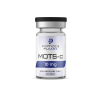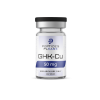
In the evolving tech scene recently, discussions have expanded beyond AI and biotech to include the booming trade in Chinese peptides—laboratory-engineered chains of amino acids touted for their promise in performance, longevity, and skin health. With advances in peptide synthesis, China has become a major supplier of both research grade peptides and experimental formulations. However, this surge raises pressing questions about quality control, legitimacy, and safety, especially as some dealers operate outside standard pharmaceutical regulations. The blending of biotechnology and the tech world has created what some call “peptide raves”—spaces where enthusiasts share experiences and trade tips, often without understanding the underlying risks.
At the darker edge of innovation, unauthorized peptide formulations and peptide injections circulate through online clinics and the gray market drugs network, often linked to an unverified Chinese peptide dealer. While some users claim transformative effects on the human body, others report complications stemming from contamination or mislabeling. As biohacking gains popularity within the tech scene, the question becomes not just can these compounds work—but can Chinese peptides truly be trusted when their manufacturing and distribution often bypass global safety standards?
What Are Chinese Peptides?
"Chinese peptides" have emerged as a controversial trend in Silicon Valley's biohacking community, involving unregulated injections sourced from China that enthusiasts use for potential benefits like weight loss, improved sleep, and accelerated injury healing. Despite growing interest, these products lack FDA approval and pose serious safety risks due to questionable quality control and unknown purity. Meanwhile, legitimate research continues to investigate peptides derived from Traditional Chinese Medicine (TCM) for therapeutic applications.
What Do Chinese Peptides Do
Chinese peptides refer to unregulated, research-grade peptides sourced from Chinese manufacturers, which have surged in popularity among biohackers, particularly in Silicon Valley, for their low cost and purported benefits. These short chains of amino acids mimic natural hormones to regulate bodily functions, such as GLP-1 agonists like those in Ozempic for appetite suppression and weight loss, BPC-157 and TB-500 for accelerating injury recovery via new blood vessel growth, oxytocin to boost social interactions and eye contact, Ipamorelin for hormone balance and muscle growth, and others like MOTS-c for metabolism enhancement or retatrutide for focus and fat reduction. Users self-administer them via injections after third-party purity testing, often at a fraction of U.S. prices, though they lack FDA approval and carry risks due to inconsistent quality and unverified long-term safety.
Chinese Research Peptides
Chinese research peptides are bioactive compounds developed primarily for research purposes, often synthesized to explore their effects on muscle growth, recovery, and metabolism. While these peptides are sometimes referenced in compounding pharmacies, they are typically designated for research use only and not approved for human use without proper regulatory clearance. Studies suggest that some peptides may influence metabolism and appetite, leading to observed weight dropped outcomes in controlled trials. Researchers continue to investigate Chinese research peptides to better understand their potential therapeutic applications and safety profiles.
Explore Trusted Peptide Products Designed for Research from PeptidesPlease
Explore trusted peptide products designed for research from our website, where scientists, companies, and diagnostics experts can easily search for high-quality protein and other types of peptide supplements. Our peptides are carefully developed in certified factories to ensure purity and consistency, making them ideal for laboratories, research institutions, and those interested in advancing patient care through innovative biomedical solutions. Whether you’re a company seeking reliable peptide suppliers or a researcher focused on diagnostics and protein studies, our broad selection of research-grade products provides the quality and credibility you can trust.
The Booming Business Of Chinese Peptides
The booming business of Chinese peptides has rapidly transformed the global biotechnology and pharmaceutical landscape, driven by China’s cutting-edge research, advanced manufacturing capabilities, and cost efficiency. In recent years, China has become a leading supplier of high-quality peptides used in medical research, skincare, and fitness supplements, attracting international clients seeking affordable yet reliable products. The country’s biotech firms have invested heavily in precision synthesis and regulatory compliance, allowing them to compete with Western counterparts and expand into lucrative global markets. As demand for peptides continues to surge—particularly in anti-aging therapy, drug development, and muscle growth—China’s peptide industry stands at the forefront of innovation and commercial success.
Where To Buy Chinese Peptides
Looking for where to buy Chinese peptides? Our website is the trusted source for consumers and laboratory professionals alike. Whether you’re a person conducting research or a lab aiming to inject quality and precision into your work, we connect you directly with top-grade Chinese peptides at unbeatable value. Each product is carefully tested to meet strict standards, ensuring consistent results within weeks of use. Choose reliability, speed, and authenticity—buy from our website today and experience the difference trusted by professionals worldwide.
Chinese Grey Market Peptides
Chinese grey market peptides have become a growing underground trend, circulating through online communities and even hacker houses, where biohackers experiment with them to boost energy and physical performance. These unregulated compounds often originate from semi-legitimate offices and labs operating outside official standards, giving users controversial access to substances intended for research only. While some claim benefits like accelerated recovery or muscle gain, the lack of oversight poses real disease risks and legal concerns. In many cases, safety testing is only done half of what legitimate pharmaceutical standards require, blurring the line between innovation and danger in this shadowy market.
Are Chinese Peptides Safe?
Chinese peptides—commonly purchased from online gray-market vendors for purposes such as anti-aging, performance enhancement, or weight loss (e.g., Semaglutide)—pose significant and unverified safety risks. These products often bypass regulatory oversight, lack approval from authorities like the FDA, and may contain impurities, incorrect dosages, or counterfeit ingredients. Such factors can lead to serious health consequences, including allergic reactions, infections, or other severe side effects.
Key Safety Risks
- Unregulated Manufacturing
Many peptides originate from unverified or unlicensed laboratories, increasing the likelihood of contamination, improper formulation, or inclusion of toxic substances. - Lack of Human Trials
A large number of these compounds have not been approved for human use and are limited to animal testing. Their long-term safety and efficacy remain largely unknown. - Adverse Side Effects
Reported health issues include hormonal imbalances, injection-site reactions, extreme fatigue, potential cancer risks, and cardiovascular complications. - Medical Emergencies
In severe cases, illegally produced peptides have caused acute reactions requiring hospitalization—such as swelling of the tongue, respiratory distress, or anaphylaxis. - Counterfeit Products
Popular drugs like Semaglutide (Ozempic) are frequently counterfeited and sold through these unofficial channels, further heightening the risk of exposure to unsafe and ineffective substances.
FDA Ruling on Chinese Peptides
The U.S. Food and Drug Administration (FDA) has adopted a strict stance against the importation and use of unapproved peptides, especially those sourced from China, citing significant safety concerns, lack of proven effectiveness, and substandard manufacturing practices. Although certain peptide-based drugs, such as insulin and GLP-1 treatments like Ozempic, have received FDA approval, most peptides marketed online for “biohacking,” weight loss, or muscle recovery—such as BPC-157, TB-500, and others—remain unapproved, unregulated, and illegal for human use.
Chinese Peptides Biohacking
Chinese peptides have surged as a prominent biohacking trend, particularly among Silicon Valley tech workers and founders sourcing affordable, unregulated research-grade peptides directly from Chinese manufacturers like CPC Scientific and Sinopep. These short amino acid chains, such as BPC-157 for tissue healing, TB-500 for anti-inflammatory repair, GLP-1 analogs for weight loss and appetite control, and others like CJC-1295 for growth hormone regulation, are injected for purported benefits including enhanced productivity, injury recovery, better sleep, sharper focus, and longevity optimization. While imports from China nearly doubled in early 2025 amid hacker house workshops and "peptide raves," experts warn of serious risks like contaminants, allergic reactions, and lack of FDA approval, fueling a gray market driven by self-experimentation culture despite medical cautions.
Chinese Peptides For Weight Loss
Chinese peptides for weight loss primarily refer to GLP-1 receptor agonists and dual agonists like ecnoglutide, mazdutide, and tirzepatide analogs developed by Chinese companies such as Sciwind Biosciences and Innovent Biologics, which have shown impressive results in clinical trials—such as up to 20.1% body weight loss with mazdutide 9 mg over 36-48 weeks, 15-17.5% with ecnoglutide and tirzepatide in Chinese adults with obesity, alongside improvements in cardiometabolic factors like blood sugar, liver fat, and cardiovascular risk.
These next-generation drugs mimic hormones to suppress appetite, boost metabolism, and regulate blood sugar, outperforming placebos and rivaling global brands like semaglutide, with some patients maintaining losses post-treatment. However, unregulated "research-grade" peptides sourced cheaply from Chinese manufacturers via platforms like Alibaba or Made-in-China for direct consumer use often lack purity testing, contain impurities or contaminants, and pose serious health risks including bacterial infection or inconsistent dosing, as warned by regulators like the FDA and TGA, making them illegal for human consumption outside approved channels.
Chinese Peptides for Face
Chinese peptides for the face are gaining popularity as advanced skincare ingredients known for their anti-aging, firming, and skin-repairing effects. Often formulated with innovative, highly permeable technologies such as Kans cyclic peptides, these products deliver active compounds deep into the skin. Leading options include synthetic “Botox-like” peptides such as Acetyl Hexapeptide-3 and Pentapeptide-18, as well as skin-restoring copper peptides, all of which help reduce wrinkles and stimulate collagen production for a more youthful appearance.
Chinese Peptides Retatrutide
Chinese peptides retatrutide refers to research-grade versions of the experimental triple-agonist peptide Retatrutide (LY3437943), which targets GLP-1, GIP, and glucagon receptors to promote significant weight loss—up to 24-28% in clinical trials—along with benefits like reduced liver fat, improved blood sugar control, and potential heart health improvements. These peptides are predominantly manufactured and supplied by Chinese companies which produce them as APIs or powders often labeled "for research use only" with minimum orders starting at 1g and cGMP-compliant facilities. Thriving in a gray market, they are imported via factories in China—the global peptide hub—or U.S. resellers, despite lacking FDA approval for human use, leading to warnings about unverified purity, safety risks, and legal loopholes exploited by biohackers and bodybuilders sourcing them online or through Telegram for self-administration after reconstitution.
Chinese Copper Peptides
Chinese copper peptides, primarily GHK-Cu (glycyl-L-histidyl-L-lysine copper), are synthetic peptides widely produced by Chinese manufacturers like those on Made-in-China and Alibaba platforms, which supply high-purity blue powders (CAS 49557-75-7, often 99%+) for cosmetic and skincare applications. Renowned for their anti-aging properties, these peptides promote collagen production, accelerate wound healing, reduce inflammation, and improve skin elasticity by enhancing tissue remodeling and antioxidant activity, making them popular in serums, creams, and hair growth formulations. Available as raw materials with minimum orders from 1g at competitive prices, they are exported globally for "research use only" or OEM cosmetics, though quality varies, with cGMP facilities ensuring stability for anti-wrinkle, whitening, and revitalizing effects amid booming demand in the beauty industry.
Can China Peptides Supplier Be Trusted?
Chinese peptide suppliers can be considered trustworthy only when they possess verified GMP certification, provide independent third-party testing such as HPLC or MS analysis, and maintain transparent documentation. Although several reputable companies adhere to strict manufacturing standards, the market remains fraught with risks of contamination, low purity, and inaccurate dosages, particularly among unregulated or “grey market” products.
Important Considerations
Purchasing peptides from Chinese suppliers can offer substantial advantages—cost savings of 30–60% compared to Western vendors, rapid production times, and high-throughput custom synthesis capabilities. However, navigating this market demands careful due diligence in supplier selection, quality assurance, and regulatory compliance to minimize risks of substandard or counterfeit products.
Supplier Credibility and Verification
- Verify credentials: Confirm that the supplier holds valid business registration and ISO certification. Use independent verification tools, such as Dun & Bradstreet, to assess legitimacy.
- Request documentation: Obtain a Certificate of Analysis (CoA) for every batch, including High-Performance Liquid Chromatography (HPLC) results (for purity) and Mass Spectrometry (MS) data (for molecular weight confirmation).
- Third-party testing: Prefer suppliers that employ independent laboratories rather than relying solely on in-house data.
- Watch for red flags: Avoid vendors with poor communication, unverifiable data, or unusually low pricing.
Quality and Purity Standards
- Purity levels: For general research use, aim for ≥95% purity; for in vivo or sensitive work, ≥98% is recommended.
- Synthesis method: Ensure peptides are produced using Solid-Phase Peptide Synthesis (SPPS) for precision and reliability.
- Endotoxin control: Request testing for endotoxin levels, especially for peptides used in cell culture or animal studies.
- Batch consistency: Conduct your own quality checks upon receipt, as batch-to-batch variability is a known issue.
Handling and Shipping
- Storage requirements: Peptides should be stored at –20°C (short-term) or –80°C (long-term) to maintain stability.
- Shipping conditions: Confirm that suppliers use cold-chain logistics (insulated packaging and ice packs) during transport.
- Customs considerations: Anticipate possible delays or import restrictions for “research-use-only” compounds.
Legal and Safety Considerations
- Intended use: Chinese peptides are typically labeled for “research purposes only.” Importing them for human use can violate local laws (e.g., FDA regulations in the U.S.).
- Safety risks: Unregulated or low-quality peptides may lead to contamination, dosing errors, or adverse reactions.
- Regulatory awareness: Exercise heightened scrutiny, as some manufacturers operate within loosely regulated environments.
Technical Specifications
- Peptide type: Choose the format suited to your application—Linear (cost-effective, less stable), Modified (with acetylation/amidation for stability), or Cyclic (increased resistance to degradation).
- Sequence accuracy: Verify that full sequence confirmation data are provided for each peptide.
Frequently Asked Questions
Are Chinese peptides safe to use?
No, Chinese peptides are not universally safe, especially for human consumption, due to risks like impurities, contaminants, heavy metals, bacterial endotoxins, and lack of FDA approval for most. The FDA has warned about serious safety risks from peptides, including immunogenicity and adverse events, and many are sold as "research use only" despite being used by people. While some reputable manufacturers follow international standards like GMP and offer third-party testing, quality varies widely, and sourcing from unverified suppliers increases dangers.
Do peptides come from China?
Yes, a large portion of peptides, particularly research-grade and those in the gray market, are manufactured in China, which dominates global production due to its scale, low costs, and advanced synthesis capabilities. U.S. imports of peptide products from China nearly doubled in early 2025, and many vendors source from Chinese factories before repackaging.
How can researchers verify the quality of raw peptide imports?
Imported peptides require independent, third-party HPLC (purity ≥98%) and Mass Spectrometry testing from reputable Western laboratories to verify safety and sequence.
Summary
Chinese peptides, derived from traditional Chinese medicines like leeches, cordyceps, and ganoderma, as well as modern biotech innovations, represent a burgeoning field with bioactive compounds offering potent pharmacological benefits such as anticoagulation, immunomodulation, antioxidative effects, and even novel weight management therapies. China's dominance in peptide manufacturing—fueled by cost-effectiveness, scale, and regulatory approvals—has propelled global supply chains, though it also sparks debates over quality, gray-market biohacking trends in places like Silicon Valley, and the shift from ancient herbal extractions to recombinant production for clinical reliability. Ultimately, these peptides bridge millennia-old wisdom with cutting-edge science, promising targeted treatments for cancer, inflammation, and metabolic disorders while underscoring the need for rigorous standardization to unlock their full therapeutic potential.